Spring birdwatching signs often begin quietly. One warm afternoon arrives, then another, and suddenly the yard feels a little more awake than it did last week. You may hear more singing, notice birds chasing each other through shrubs, or see movement near places that were still and empty through winter.
The first warm week of spring is not a deadline or a test. It is simply a lovely time to slow down, look through the window, step onto the porch, and let the birds show you what is changing.
Why Spring Birdwatching Signs Matter
Spring can feel busy before it feels clear. Birds may sing more, insects may appear, and some migrants may pass through before you have learned their names. Watching a few dependable signs helps you enjoy the season without trying to identify everything at once.
Cornell Lab of Ornithology notes that spring brings singing, blooming, nest building, and young birds as the season unfolds. Their spring nesting overview is a useful outside reference for readers who want to learn more about observing this season safely: Cornell Lab's guide to the hidden world of nests and eggs.
Start With Sound Before Sight
Bird song is one of the easiest spring birdwatching signs to notice because you do not need perfect vision or expensive equipment. On warmer mornings, many birds begin singing with more energy as daylight grows and territories become important again.
If you want a broader seasonal companion, BirdPeep's early spring bird checklist for backyard beginners gives a simple way to track first songs, first arrivals, and small changes without making the hobby feel like homework.
What to Listen For
- More repeated songs: one bird may sing the same phrase again and again from a high perch.
- Different voices: your regular winter birds may be joined by songs you have not heard recently.
- Morning energy: the first hour after sunrise often feels busier than midday.
- Call and response: two birds may answer each other from different corners of the yard.
- Sudden silence: a quiet pause can also be meaningful, especially if a hawk or outdoor cat appears.
Watch for Pair Behavior and Gentle Chasing
As spring warms, some birds begin acting less like loose winter visitors and more like neighbors with plans. You may notice two birds traveling together, one following another through a hedge, or brief chases around a feeder.
Not every chase is a problem. Some spring chasing is territorial, some is courtship, and some is simply birds sorting out space. The beginner's task is not to label every moment perfectly. It is to notice the pattern calmly.
Simple Pair Clues
- Two birds staying close: they may move from branch to branch together instead of feeding separately.
- Repeated visits to one shrub: a quiet corner may become more interesting as nesting season approaches.
- Display-like movement: a bird may flutter, posture, or sing from the same spot many times.
- More boundary behavior: some birds may push others away from favored branches or feeding spots.
If you later see nesting behavior, keep your distance and avoid checking nests closely. BirdPeep's guide to late spring nesting behaviors you can watch from a distance explains how to enjoy those moments without disturbing birds.
Notice Insects, Buds, and Soft Ground
Birds do not read calendars. They respond to food, light, weather, shelter, and breeding signals. That means the first warm week is also a good time to notice what is happening around the birds.
A few insects near a porch light, swelling leaf buds, softer soil, and damp leaf litter can all change where birds search for food. Robins may work the lawn, wrens may inspect brushy edges, and small birds may glean from branches that looked empty a few days ago.
How to Watch the First Warm Week Step by Step
A simple routine helps you see more without standing outside for hours. Try the same short observation window for several days in a row. Patterns become much easier when your method stays steady.
A Calm Spring Routine
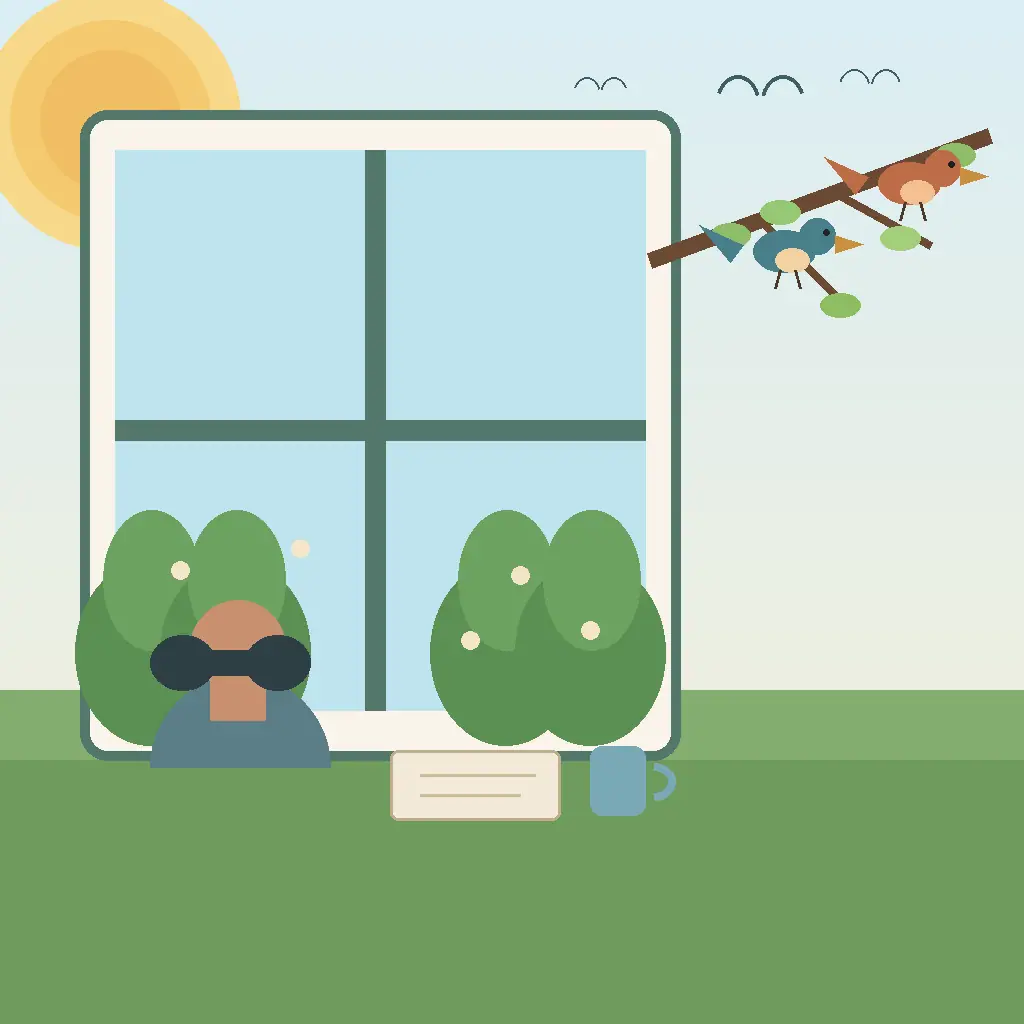
- Choose one viewing spot: use a kitchen window, porch chair, patio, or quiet path where you feel comfortable.
- Watch for ten minutes: short, repeatable sessions are better than one long, tiring session.
- Start with sound: write down whether the yard sounds quiet, moderate, or lively.
- Note three behaviors: examples include singing, chasing, feeding, carrying material, bathing, or perching high.
- Check the weather: write down warm, cool, windy, damp, or sunny in plain words.
- Repeat tomorrow: the change from one day to the next is often more useful than a perfect species list.
For readers who like a bigger seasonal view, BirdPeep's spring birdwatching migration guide can help connect backyard changes with the larger movement of birds across the season.
Common Spring Birdwatching Mistakes to Avoid
The first warm week can make a person eager to clean everything, move feeders, inspect every shrub, and identify every flash of wings. Try not to rush. Spring rewards patience.
- Do not assume every bird is nesting: some are only feeding, passing through, or testing a territory.
- Do not approach a possible nest: watch from a distance and let the birds keep their routine.
- Do not clean away every natural edge: leaf litter, seed heads, and shrubs can support insects and shelter.
- Do not force identification: write down shape, size, sound, and behavior first, then check a guide later.
- Do not forget your own comfort: warm spring sun can still come with chilly wind, slick ground, or pollen.
Pros and Cons of Watching the First Warm Week
It builds your seasonal awareness
You learn what spring looks and sounds like in your own yard, not just in a field guide.
It keeps birdwatching simple
A short daily routine gives you useful clues without requiring travel, perfect weather, or expensive gear.
It helps you notice repeat patterns
Watching several mornings in a row makes songs, favorite perches, and feeding spots easier to recognize.
Weather can change quickly
A warm week may be followed by cold rain or wind, so bird activity may rise and fall again.
Some signs are easy to misread
Chasing, singing, and carrying material can mean different things, so beginners should observe patterns before drawing conclusions.
A Simple First Warm Week Checklist
Use this checklist for a few days and keep it relaxed. A few marks in a notebook are enough.
- Did the yard sound louder than last week? Note yes, no, or not sure.
- Did you see birds traveling in pairs? Record where they went and whether they returned.
- Did insects become more visible? Look near leaf litter, bark, lights, and damp places.
- Did any new bird appear? Describe size, shape, color patches, and behavior before naming it.
- Did birds use water more often? Watch bird baths, puddles, and damp soil after warm afternoons.
- Did one perch become popular? A favorite singing branch can be a helpful spring clue.
Frequently Asked Questions
What should I check first during the first warm week of spring?
Start with sound. Notice whether birds are singing more often, then look for simple behaviors such as feeding, chasing, bathing, or perching high.
How often should I review my notes?
Every few days is enough. You are looking for gentle patterns, such as more morning song or repeated visits to one shrub.
What should I do if I think I found a nest?
Do not move closer for a better look. Watch from a respectful distance, avoid trimming that area, and use trusted birding guidance if you are unsure.
Can a cold snap undo the spring activity?
It can slow activity for a while, but it does not erase the season. Keep watching calmly as temperatures, food, and bird behavior shift again.
Final Thoughts
The first warm week of spring is a doorway, not a race. Listen for stronger songs, watch for pairs, notice insects and buds, and let the yard reveal its changes a little at a time.
This week, choose one comfortable spot and spend ten quiet minutes there for three mornings. By the end, you may know your spring yard better than you expected.