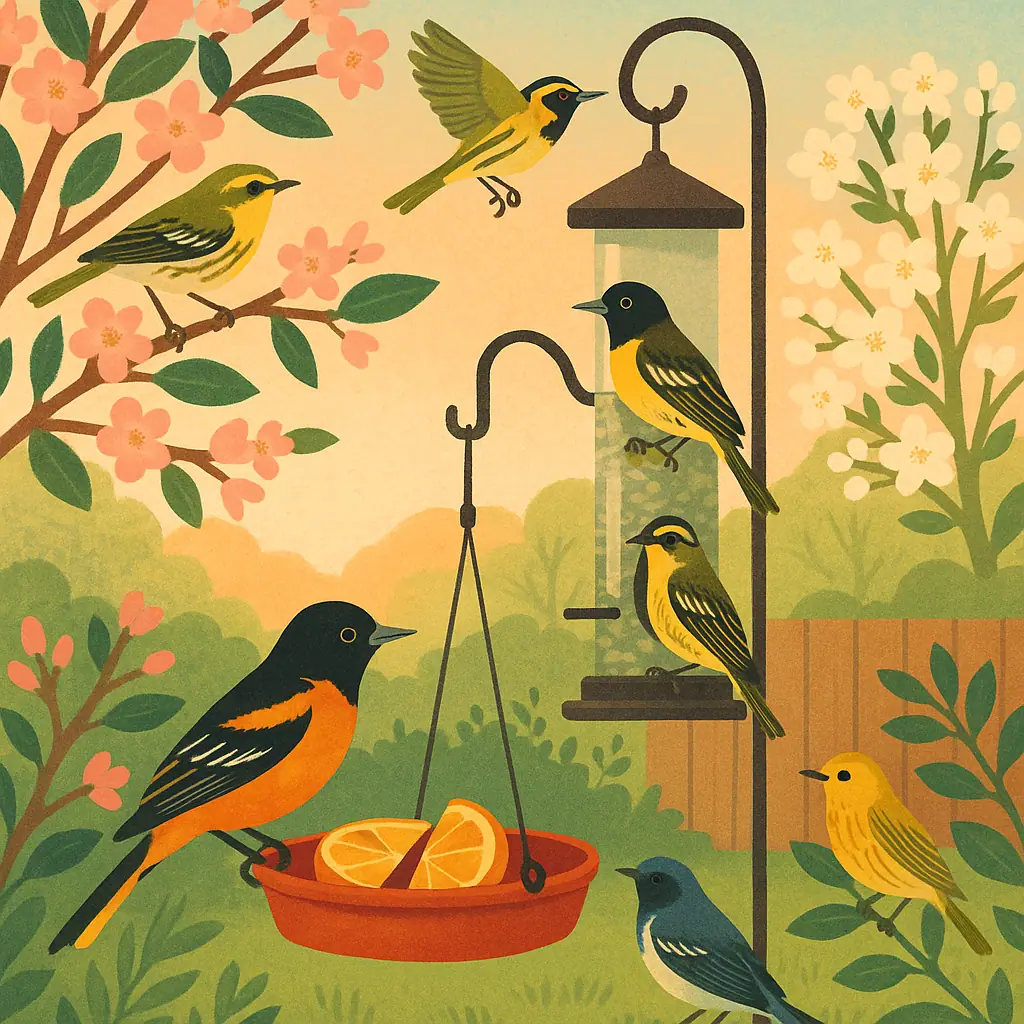
Early spring birds can make an ordinary backyard feel awake again. One morning the yard is quiet, and the next you may hear sharper songs, notice pairs moving through shrubs, or see familiar visitors checking water and feeder spots with fresh energy.
This early spring bird checklist is meant for beginners who want to help without overdoing it. You do not need a perfect garden, expensive gear, or a long list of bird names. A slow walk around the yard, a clean water dish, and a few careful observations can make the season easier for both you and the birds.
Why Early Spring Birds Deserve a Gentle Checklist
Spring brings more movement, sound, and nesting behavior, but it also brings a few easy-to-miss hazards. Reflections in windows can confuse flying birds, spoiled seed can build up after damp weather, and an eager gardener may accidentally trim a shrub that is being used for shelter.
The Cornell Lab of Ornithology highlights practical actions that help birds, including making windows safer, keeping cats indoors, planting native vegetation, and avoiding pesticides. Their guidance is a helpful reminder that small household choices can matter during busy seasons. You can review those broader bird-friendly actions from the Cornell Lab of Ornithology.
Start With a Slow Backyard Walk
Choose a mild morning and walk the same simple route around your yard, patio, or balcony. Move slowly enough that you can notice where birds already land. Look for fence rails, low branches, shrubs, bare soil, puddles, and feeder perches. These spots tell you how birds are using the space before you change it.
Notice first, improve second
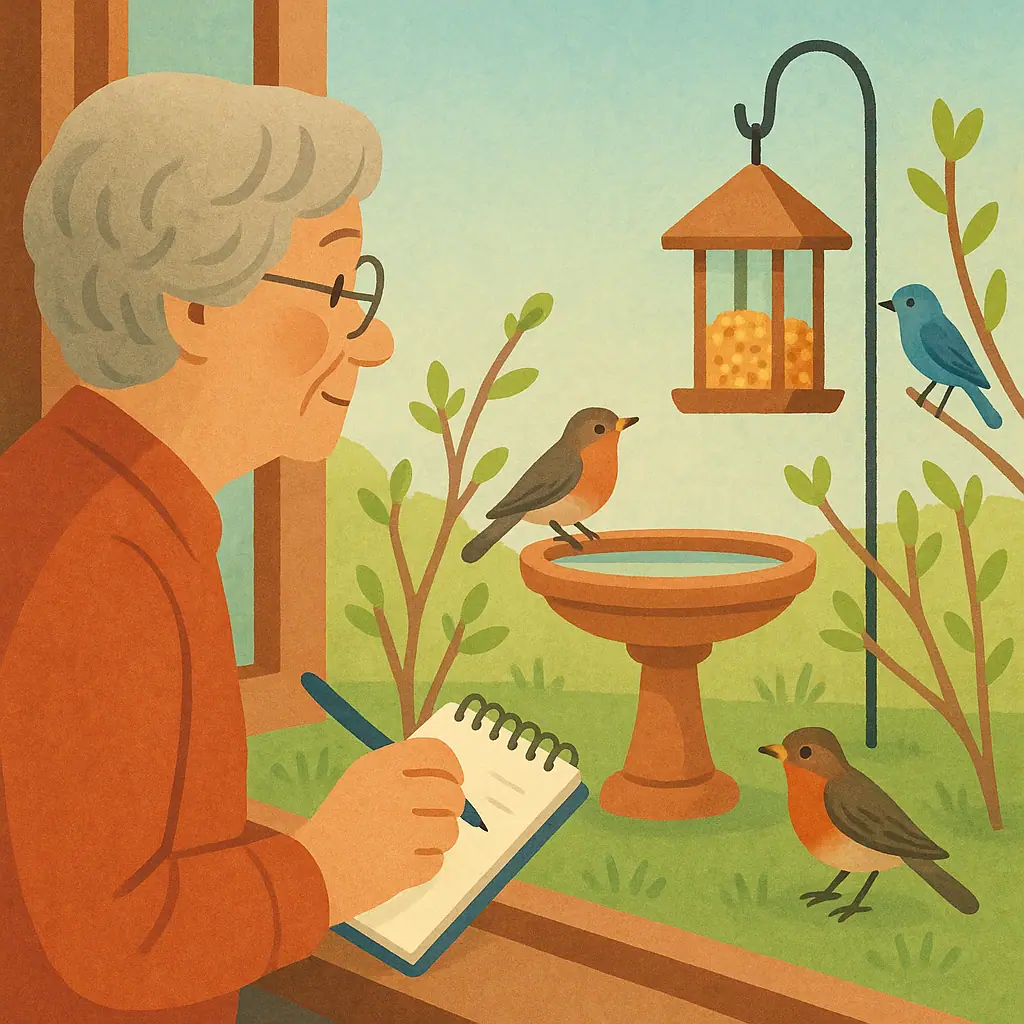
Beginners often feel they should set up a complete bird garden right away. In spring, observation is the kinder first step. Write down where birds perch, where they seem nervous, and where you can comfortably watch without stepping too close.
If you enjoy seasonal planning, BirdPeep’s guide to planning your birdwatching year can help you connect today’s checklist with the months ahead.
Clean Feeders and Bird Baths Safely
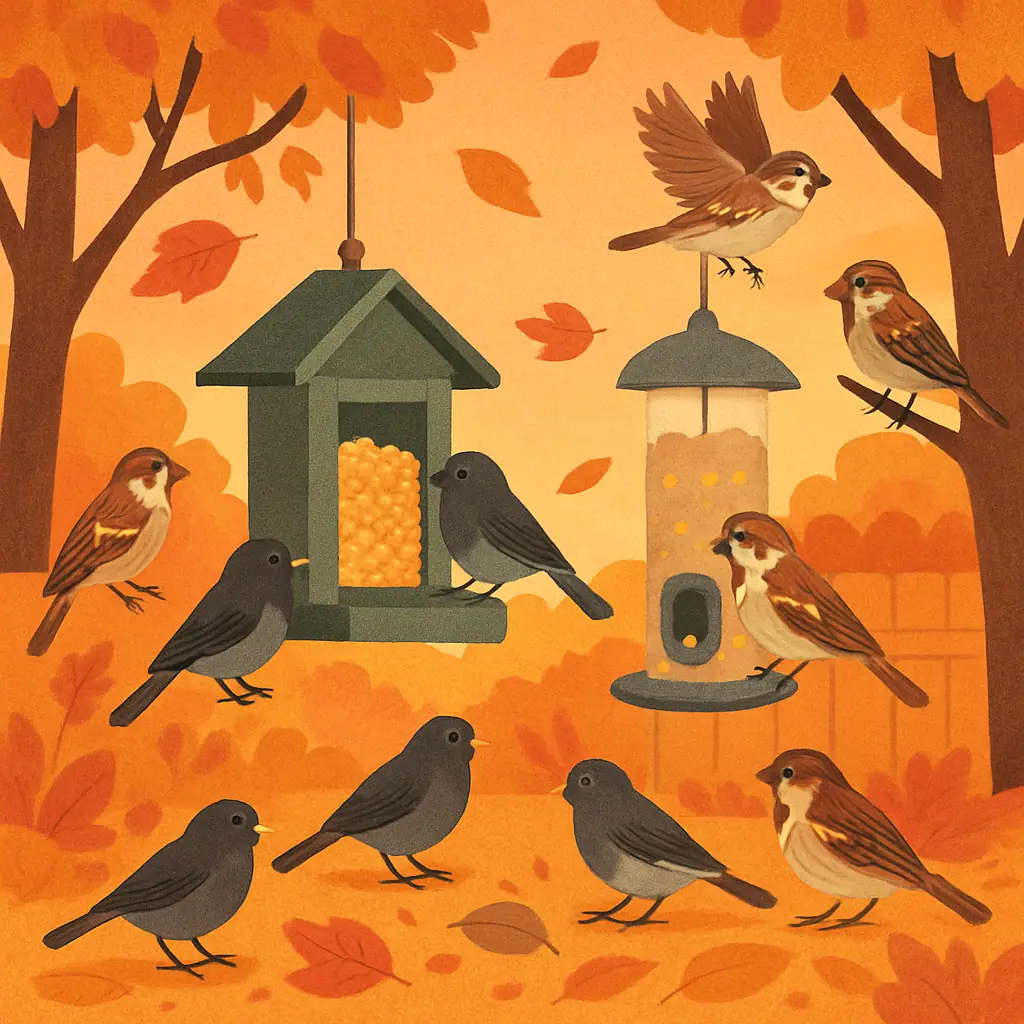
Early spring weather can swing between cold nights, warm afternoons, and wet spells. That mix can leave seed damp and water dishes cloudy. Empty old seed, rinse feeder parts, and let everything dry before refilling. If a feeder smells sour, looks moldy, or has clumped seed, discard the contents instead of trying to rescue them.
For bird baths, shallow clean water is more useful than a fancy setup. Scrub away algae or droppings, rinse well, and refill with fresh water. A stable dish that you can lift and clean easily is better than a heavy bath that becomes too much trouble to maintain.
- Check water daily: Refresh it when it looks dirty, frozen, or low.
- Rotate seed: Use smaller amounts so food is eaten before it gets damp.
- Watch the ground: Sweep heavy seed hulls or spoiled food from below feeders.
- Pause if birds look sick: Remove feeders temporarily and clean thoroughly if you see several lethargic or visibly unwell birds.
Make Windows and Patio Areas Safer
Spring movement often brings birds close to homes. Reflections of trees or sky can make glass look like open habitat. If you have a window near feeders, shrubs, or a favorite perch, consider adding exterior decals, screens, cords, or other visible markers so birds can recognize the barrier.
Try to place feeders either very close to windows or farther away, rather than in the middle distance where birds can build speed before impact. Also keep pet cats indoors or in a secure outdoor enclosure, especially during busy morning activity.
For more spring context, BirdPeep’s article on breeding plumage changes explains why familiar birds may suddenly look brighter, bolder, or easier to notice at this time of year.
Leave Nesting Birds Undisturbed
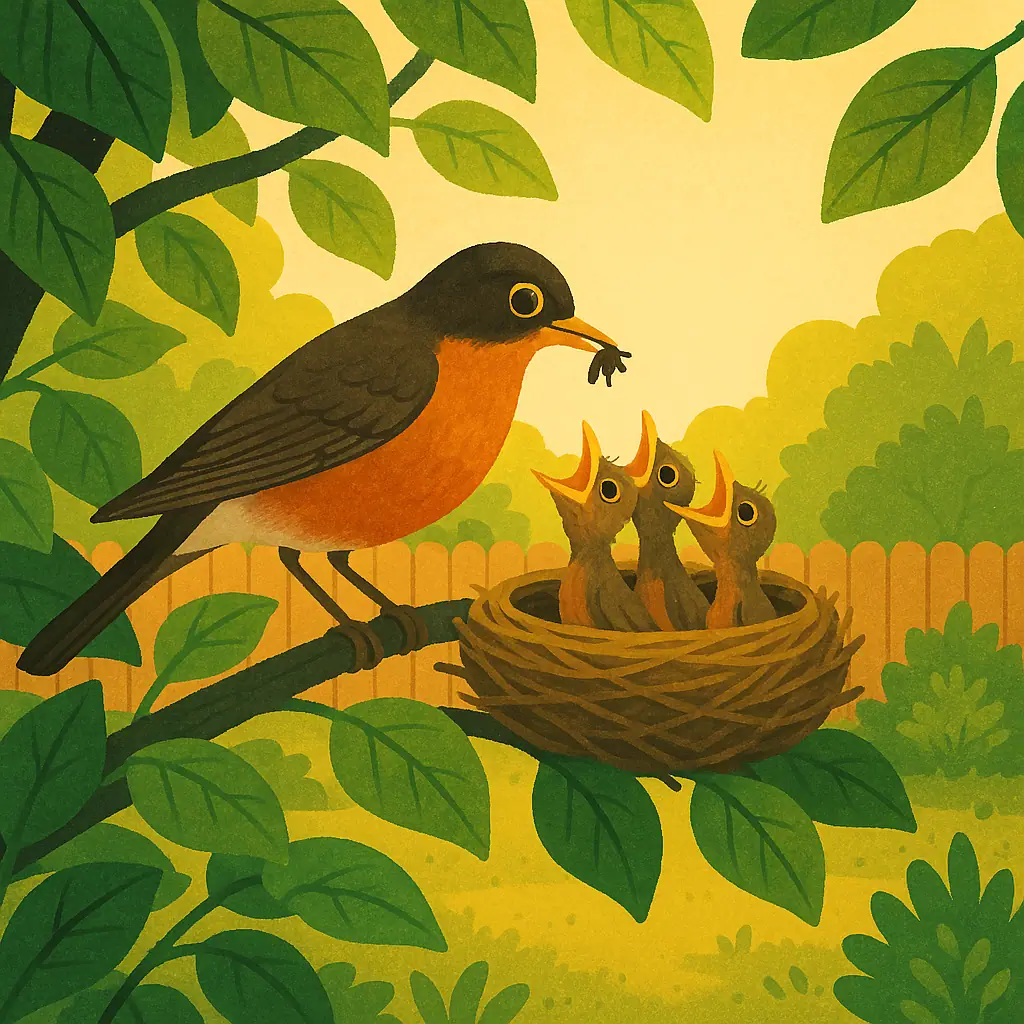
If you notice a bird carrying grass, twigs, moss, or soft plant material, enjoy the moment from a respectful distance. Nesting activity is fascinating, but it is not an invitation to peek, touch, move branches, or repeatedly approach the same spot.
When a nest appears near the house
Do not move an active nest or its contents. Instead, reduce traffic near the area when possible, delay trimming nearby shrubs, and watch quietly from a window or porch. Cornell’s NestWatch guidance emphasizes careful observation and avoiding disturbance, especially when young birds are close to fledging. Their advice on responsible nest observation is worth reading before you monitor any nest closely.
Add Simple Habitat Help for Spring
The best spring improvements often look modest. A native shrub, a brushy corner, seed heads left standing a little longer, or a shallow water source can offer more value than a decorative item that needs constant attention.
If your yard still feels winter-bare, think in layers. Birds use low cover for quick hiding, middle branches for perching, and taller trees for song posts or travel routes. Even a patio can offer layers with a container shrub, a railing perch, and a clean water dish.
- Keep some cover: Leave one quiet corner less tidy for shelter.
- Choose native plants when possible: They support insects, seeds, berries, and shelter that local birds recognize.
- Avoid routine pesticide use: Many spring birds rely on insects, especially when feeding young.
- Trim with patience: Look and listen before pruning dense shrubs in nesting season.
A Simple Early Spring Bird Checklist
Use this list once a week during early spring, or whenever the yard begins to feel busier. It is not a test. It is simply a calm habit that helps you notice what changed.
- Feeder check: Is the seed dry, fresh, and free of mold?
- Water check: Is the bird bath shallow, clean, and easy to reach for refilling?
- Window check: Are reflective windows marked where birds fly nearby?
- Cover check: Are there shrubs, brush, or plants where birds can pause safely?
- Nest check: Have you avoided touching nests or trimming active nesting areas?
- Pet check: Are cats kept away from birds during active morning and evening hours?
- Notebook check: Did you record one song, behavior, or visitor you noticed this week?
Pros and Cons of Preparing Early
Less rushing later
Cleaning, window marking, and simple yard checks are easier before nesting and migration activity feels busy.
Better observations
A weekly checklist helps you notice new songs, pair behavior, and feeder changes without trying to remember everything.
Safer bird habits
Small prevention steps can reduce common risks around windows, spoiled food, pets, and nesting areas.
It takes consistency
Feeders and water dishes help most when they are cleaned regularly, not only once at the start of spring.
Every yard is different
Some suggestions may need adjusting for apartments, shared spaces, local rules, or mobility needs.
When to Get Extra Help
Ask for help when a task feels unsafe, heavy, or confusing. A family member can move a large bird bath. A local native plant nursery can suggest beginner shrubs. A wildlife rehabilitator or local bird group can guide you if you find an injured bird or a situation you do not understand.
And if you are unsure whether a behavior is seasonal or unusual, do not guess. Take notes, keep your distance, and compare what you see over several days. Many spring changes are normal, especially increased singing, pair movement, and birds exploring sheltered spots.
Frequently Asked Questions
When should I start preparing my yard for spring birds?
Start as soon as mild days return and you can comfortably walk the yard. Early preparation is mostly cleaning, observing, and removing simple hazards, so it does not need to be complicated.
Should I clean bird feeders more often in spring?
Yes, especially after rain, damp weather, or heavy use. Replace wet seed, scrub dirty parts, and let feeders dry before refilling.
What should I do if I find a nest?
Observe from a distance and avoid touching, moving, or trimming around it. If the nest creates a serious safety concern, contact a local wildlife authority for guidance.
How can beginners make windows safer for birds?
Add visible markers, screens, cords, or decals on the outside of reflective glass, especially near feeders, shrubs, or favorite flight paths.
Final Thoughts
Watching early spring birds is less about doing everything perfectly and more about becoming a careful neighbor. Clean water, fresh seed, safer windows, quiet nesting corners, and patient observation all add up.
Pick one item from the checklist today. Then watch what changes over the next week. Spring has a way of rewarding calm attention.