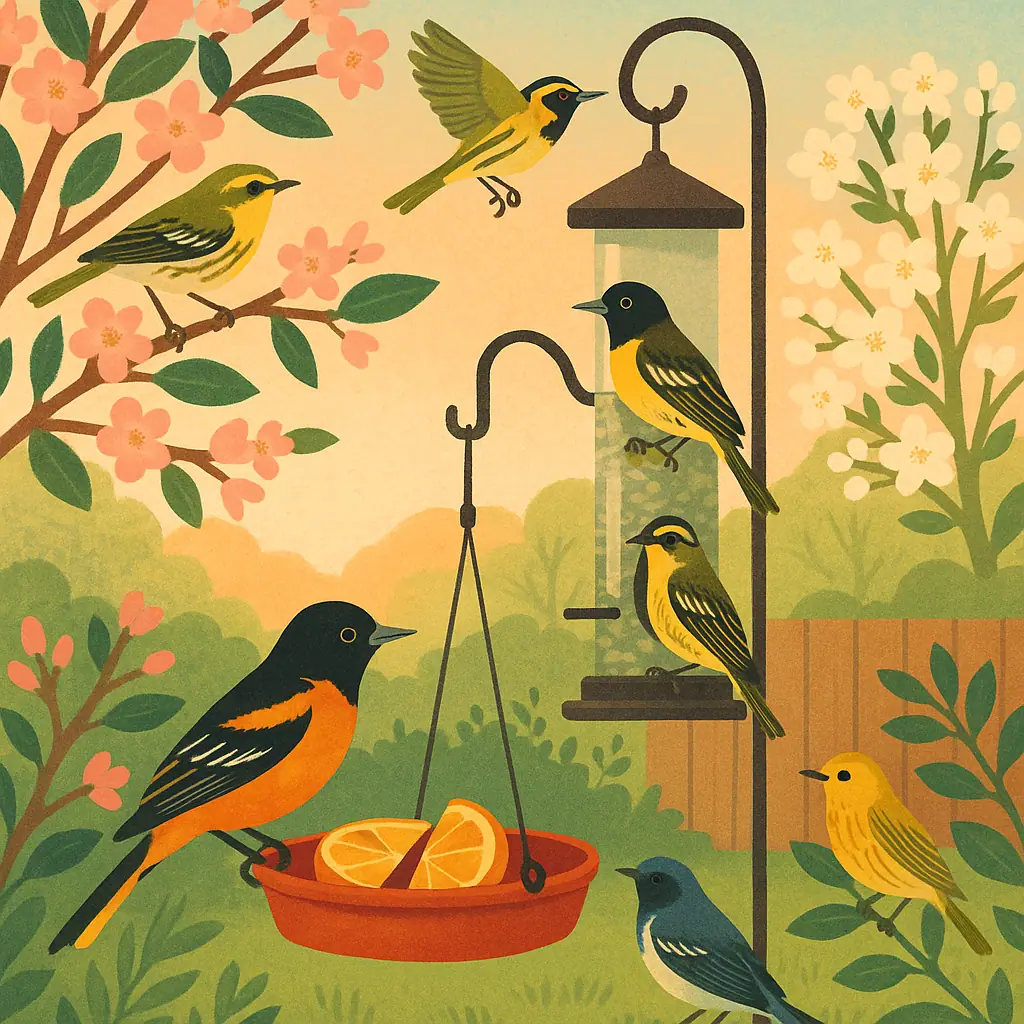
Every spring, something almost magical happens at backyard feeders across America. The same drab, olive-brown American Goldfinch that spent the winter quietly nibbling at your nyjer feeder suddenly erupts into blazing canary yellow. The American Robin's chest deepens to a richer rust-orange. The House Finch's rosy patches intensify to a vivid raspberry. These are not different birds — they're your familiar winter visitors, transformed.
This seasonal makeover is called breeding plumage, and understanding it adds a whole new layer of wonder to your backyard birdwatching. Once you know what to look for, you'll start noticing these changes everywhere — and you'll understand exactly why nature designed them.
🌿 What Is Breeding Plumage?
Breeding plumage (also called alternate plumage or nuptial plumage) refers to the vibrant, intensified coloration many birds display during the spring and early summer breeding season. It's most dramatic in males, though females of some species also show changes.
This transformation is triggered by increasing daylight as winter ends. Longer days stimulate a surge in hormones — particularly testosterone in males — that kick off a cycle of feather changes, color intensification, and heightened behavioral displays.
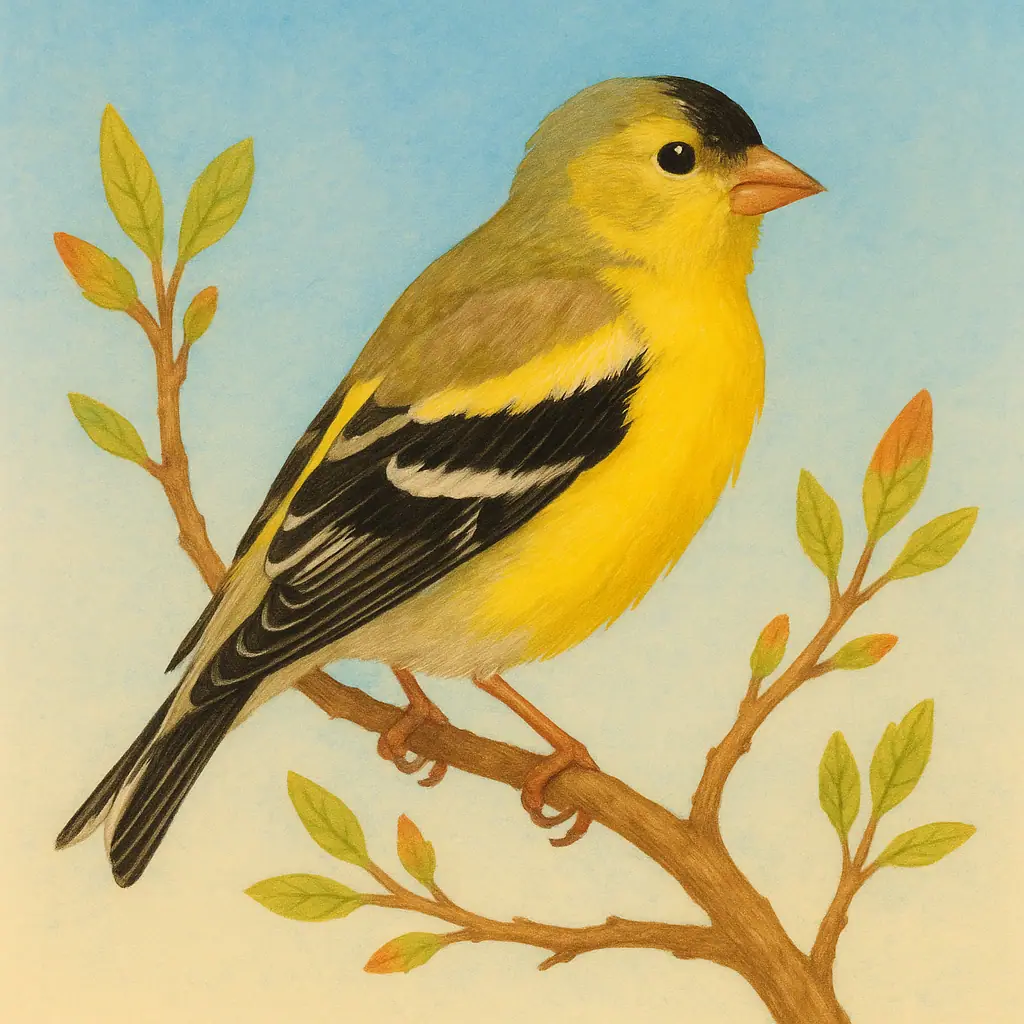
- American Goldfinch: Transforms from dull olive-brown to brilliant canary yellow.
- Northern Cardinal: Already red, but the male's plumage intensifies noticeably in spring.
- House Finch: The rosy wash deepens to vivid raspberry red on head and breast.
- European Starling: Iridescent spots become more pronounced, bill turns yellow.
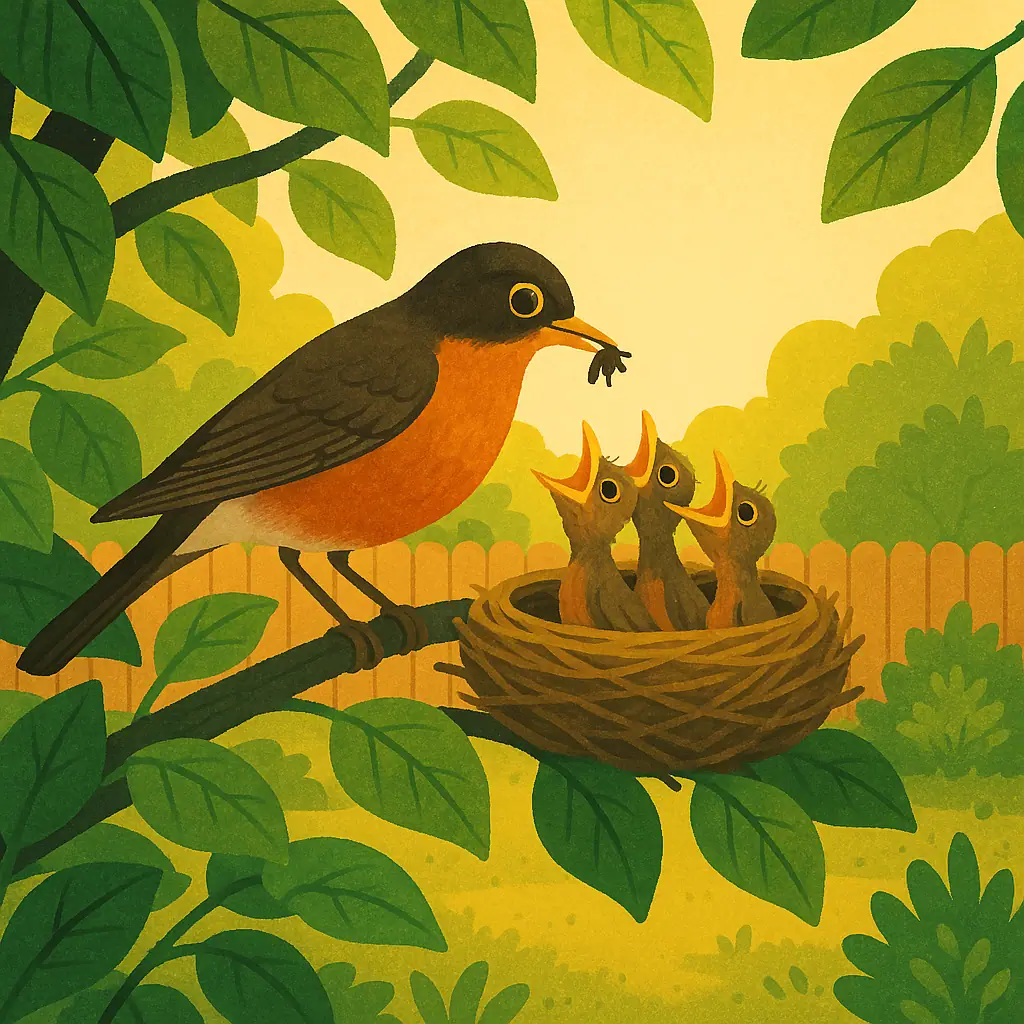
- American Robin: Rust-orange breast deepens; head becomes darker, nearly black.
🔬 How Do Birds Change Color in Spring?
There are two distinct ways birds achieve their brilliant spring look, and both are fascinating in their own right.
Method 1: Pre-Breeding Molt
Many birds undergo a partial molt in late winter or early spring. They shed some of their dull winter feathers and grow brand-new ones that carry the vivid colors of breeding season. Testosterone stimulates the production of carotenoid pigments (which create yellows, oranges, and reds) and melanins (which produce rich blacks, deep browns, and glossy iridescence). The result is a bird wearing entirely new feathers in entirely new colors.
The American Goldfinch is the classic example. Over the course of several weeks in late winter, males swap nearly all their body feathers for new, brilliantly yellow ones. It happens gradually, so if you watch closely, you'll catch individual birds in that in-between stage — patches of bright yellow mixing with the old olive-brown.
Method 2: Feather Abrasion
Some birds skip the full molt and use a simpler trick: their winter feathers have dull, pale tips that simply wear away over time. As the tips erode through normal activity — preening, brushing against branches, sleeping — the brighter colors underneath are gradually revealed.
The European Starling is a perfect example. In winter, starlings are covered in white-tipped feathers that give them a speckled look. By spring, those pale tips have worn off, revealing the iridescent black-green glossy plumage beneath. No new feathers needed — just time and use.
Why It Matters: The Purpose Behind the Beauty
Nature never wastes energy on pure aesthetics. Breeding plumage serves two critical biological purposes, and once you understand them, you'll see the drama playing out right in your backyard.
Mate Attraction
For female birds choosing a mate, brilliant plumage is essentially a resume. A male with vivid, even coloration is communicating something important: he is healthy, well-nourished, parasite-free, and capable of finding good food even when times are tough. Research suggests females consistently prefer brighter males, and those males do indeed tend to produce healthier offspring.
Females also have a keen eye for symmetry. A male whose left wing matches his right, whose face markings are evenly balanced — this signals genetic quality and developmental health.
Territory Defense
Breeding plumage isn't just for impressing females — it's also a warning to rival males. Conspicuous color essentially says, "I am healthy and confident. This territory is mine." Studies show that more brightly colored males are less likely to face physical challenges from competitors, because the visual signal alone is often enough to deter rivals.
- Male cardinals: Patrol feeder territories more aggressively as their red deepens.
- Goldfinches: Yellow intensity correlates with dominance at feeders.
- Robins: The rust breast becomes a territory signal displayed during confrontations.
🔍 Pros and Cons of Breeding Plumage for Birds
Attracts high-quality mates
Vibrant color signals health, nutritional fitness, and genetic quality — all desirable traits to pass to offspring.
Reduces physical conflict
Visual dominance signals through plumage often prevent dangerous fights between rival males.
Establishes territory efficiently
A conspicuous male is more visible as a territorial marker, discouraging competitors from moving in.
Increases predator visibility
Brilliant colors that attract mates also attract hawks and cats. Breeding season carries real survival risk for males.
Energy-intensive molt
Growing new feathers requires significant protein and calories — a demanding process timed to spring's food abundance.
What to Watch For in Your Own Backyard
Now that you understand the process, here's how to turn your feeder observations into a fascinating spring study.
- Track the goldfinch molt: Starting in February, check daily for the first patches of yellow appearing on male goldfinches. Note the date — this is your personal spring milestone.
- Compare early vs. late arrivals: Among the same species at your feeder, some males will be further into their transformation than others. Look for the variation.
- Watch female behavior: As males brighten up, watch whether females react differently to the most colorful males versus the duller ones.
- Note the cardinals: Male cardinals are already red, but pay attention to how their red seems to deepen and become more vivid by March and April.
Frequently Asked Questions
Do female birds also change color in spring?
Female birds typically show subtler changes, or none at all. Their year-round camouflage-oriented coloring is more important for nest safety than display. However, species like the Scarlet Tanager female shows a yellowish-green that brightens slightly in spring.
Why does my feeder goldfinch still look dull in March?
Molt timing varies between individual birds based on age, health, and nutrition. Younger males or birds in poorer condition may complete their molt later than healthy adults. By May, virtually all adult males should be in full breeding plumage.
What happens to all these bright colors after breeding season?
Most birds undergo another molt in late summer or fall, returning to a more subdued "basic plumage" for winter. This offers better camouflage and is less energetically costly to maintain during the non-breeding months.
Can I help birds get brighter breeding plumage?
Yes, indirectly. Carotenoid pigments (yellows, oranges, reds) must come from diet. Offering foods rich in natural carotenoids — like nyjer seeds, safflower, and fruits — gives birds the raw materials for vivid color production.
🌸 Final Thoughts
Breeding plumage is one of nature's most accessible spectacles, and it happens right outside your window every single spring. Once you start watching for it — the first gold patches on a goldfinch, the deepening rust of a robin, the glossy sheen of a starling in full sun — you'll find yourself looking forward to it each year like an old friend's arrival.
Keep a simple note in your journal: the date you first spotted the transformation beginning. It's a humble form of citizen science, and after a few years, you'll have your own personal spring calendar written in feathers.