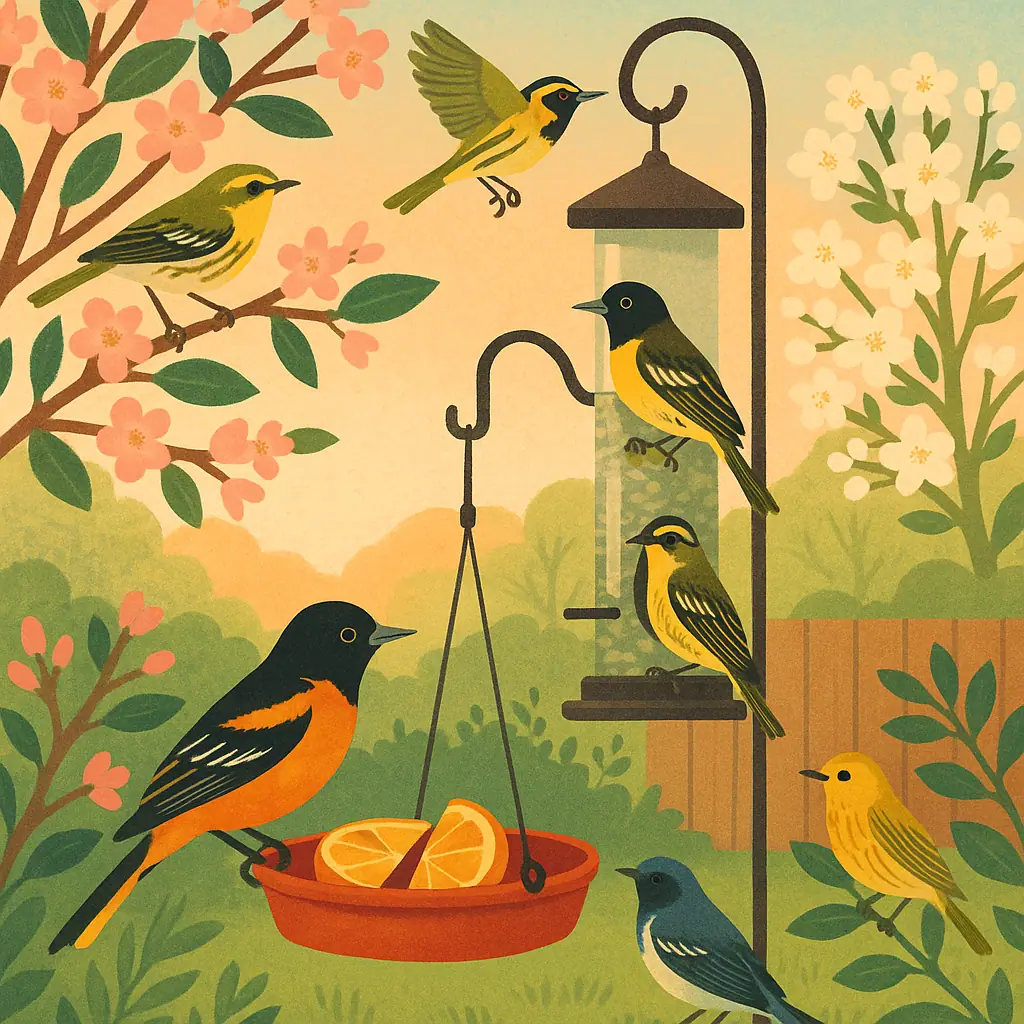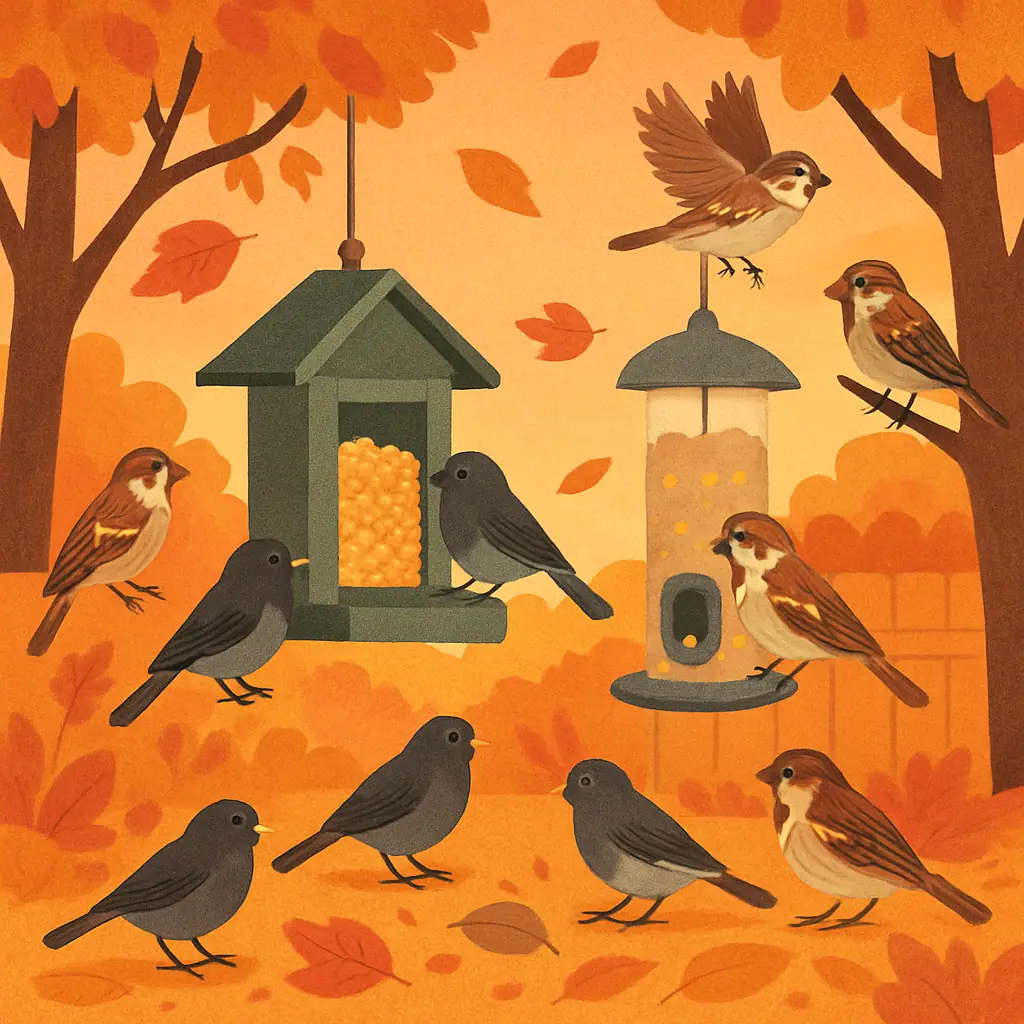
Dry weather can make a familiar backyard feel strangely quiet. The lawn may brown, shallow puddles disappear, and birds that usually seem relaxed may visit water more often or spend extra time in shaded shrubs.
If you want to help birds during drought, the best approach is steady and simple. A clean shallow water source, a few safe shelter choices, and careful feeder habits can do more good than a dramatic backyard makeover.
Why Helping Birds During Drought Matters
Birds still need water for drinking and bathing when natural sources shrink. Bathing also helps feathers stay in good condition, which matters for flight, insulation, and everyday comfort. The University of Florida IFAS guide to providing water to wildlife recommends shallow birdbaths with gentle sides, regular washing, and placement that avoids predator ambush spots. That practical advice is a trustworthy starting point for drought care because it keeps the focus on clean, modest help rather than overbuilt backyard changes.
That does not mean every yard needs a fountain, pump, or elaborate pond. For most beginners, drought help works best when it is easy to maintain. A small bird bath that you can rinse, refill, and watch carefully is better than a large setup that becomes dirty after a few hot afternoons.
Watch before you change everything
Spend a day or two noticing where birds already pause. They may use a shaded fence, a low branch, a shrub edge, or a quiet patch near your patio. Those observations tell you where help might fit naturally.
Avoid the rescue mindset
It is kind to help, but wild birds are still wild. The goal is not to handle them, move nests, chase them toward water, or feed unusual foods. The goal is to make a safer backyard available and let birds choose it.
Start With a Clean, Shallow Water Source
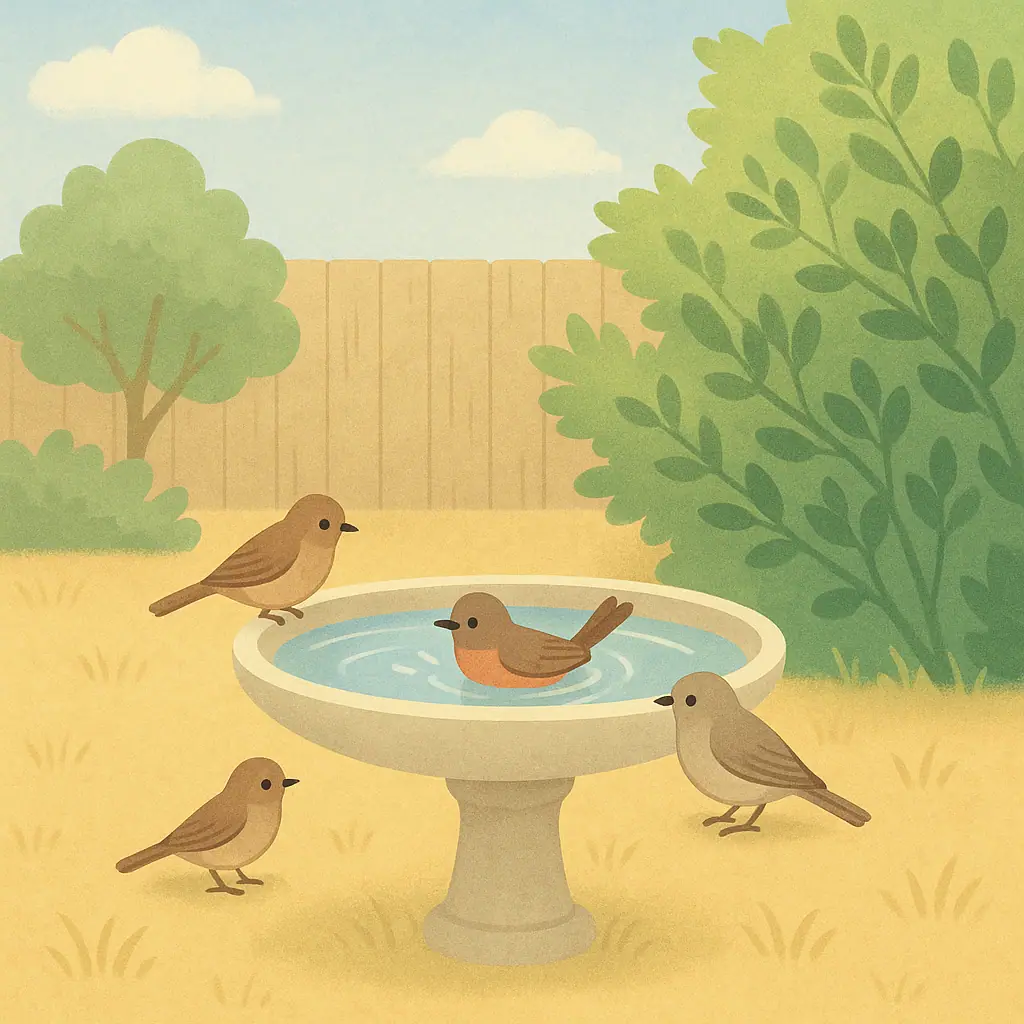
The simplest way to help birds during drought is to offer fresh water in a shallow, easy-to-clean container. Choose a basin that is not slippery, not too deep, and not so heavy that cleaning becomes a chore.
If hot weather is also a concern for you as the watcher, BirdPeep's guide to hot weather birdwatching safety is a useful companion. Your comfort matters too; refill water early or late in the day when the yard is cooler.
- Keep it shallow: A shallow edge helps small backyard birds drink and bathe with more confidence.
- Add footing: A few clean stones can give birds a place to stand if the basin is smooth.
- Refresh often: Replace warm or dirty water rather than topping it off again and again.
- Scrub the surface: Rinse away droppings, algae, old leaves, and seed hulls before refilling.
- Place it wisely: Keep water near escape cover but not buried in dense brush where cats can hide.
Check Your Backyard Before Bird Activity Picks Up
Before adding anything new, walk the yard slowly. Look at windows, feeders, water dishes, shrubs, and bare soil. Drought can make birds gather around the few resources that remain, so small hazards become more important.
Notice whether birds are crowding one spot. Crowding around water or feeders can increase mess, and mess can mean more cleaning. If one bath is constantly busy, it may be better to add a second small basin in another quiet place rather than make the first one larger.
Look for hidden problems
Check for spoiled seed, sharp wire, loose netting, pesticides, deep buckets, and reflective windows near popular perches. These are ordinary backyard details, but during dry weather birds may spend more time close to homes and patios.
Use shade without creating an ambush spot
Shade keeps water cooler, but water placed deep inside dense shrubs can make birds vulnerable to outdoor cats. A good compromise is nearby cover a short flight away, with open visibility around the bath itself.
Clean Feeders and Bird Baths Safely
Drought support is only helpful when it stays clean. A dirty bath or feeder can turn a kind gesture into a risk. Make cleaning part of the routine from the first day, especially when heat, dust, and bird traffic increase.
If you notice fledglings in the same area, give them extra space and let the adults do the caring. BirdPeep's article on watching fledglings safely explains why distance and patience are usually better than intervention.
- Empty old water: Pour it away from the feeding area so mud and hulls do not collect under the bath.
- Scrub before refilling: Use a stiff brush dedicated to bird bath cleaning, then rinse thoroughly.
- Remove spoiled seed: Wet, dusty, or clumped seed should be discarded rather than saved.
- Rotate busy spots: If the ground under a feeder is heavily soiled, pause that feeder or move it temporarily.
- Wash your hands: Treat feeder and bath cleaning like any outdoor sanitation task.
Make Windows and Patio Areas Safer for Birds
Drought may draw birds closer to patios, hoses, tubs, and shaded windows. That makes window reflections worth checking. If a bird bath sits where trees reflect strongly in glass, a bird may fly toward the reflection as if it were open habitat.
Move water farther from dangerous glass or reduce reflections with closely spaced decals, screens, exterior cords, or other visible markers. The exact solution depends on the window, but the principle is simple: birds need to see that the glass is a barrier.
Also look at patio clutter. Empty buckets, deep saucers, loose mesh, sticky traps, and open containers can become hazards. A five-minute tidy-up can make your drought-help setup safer without spending money.
Leave Nesting Birds Undisturbed
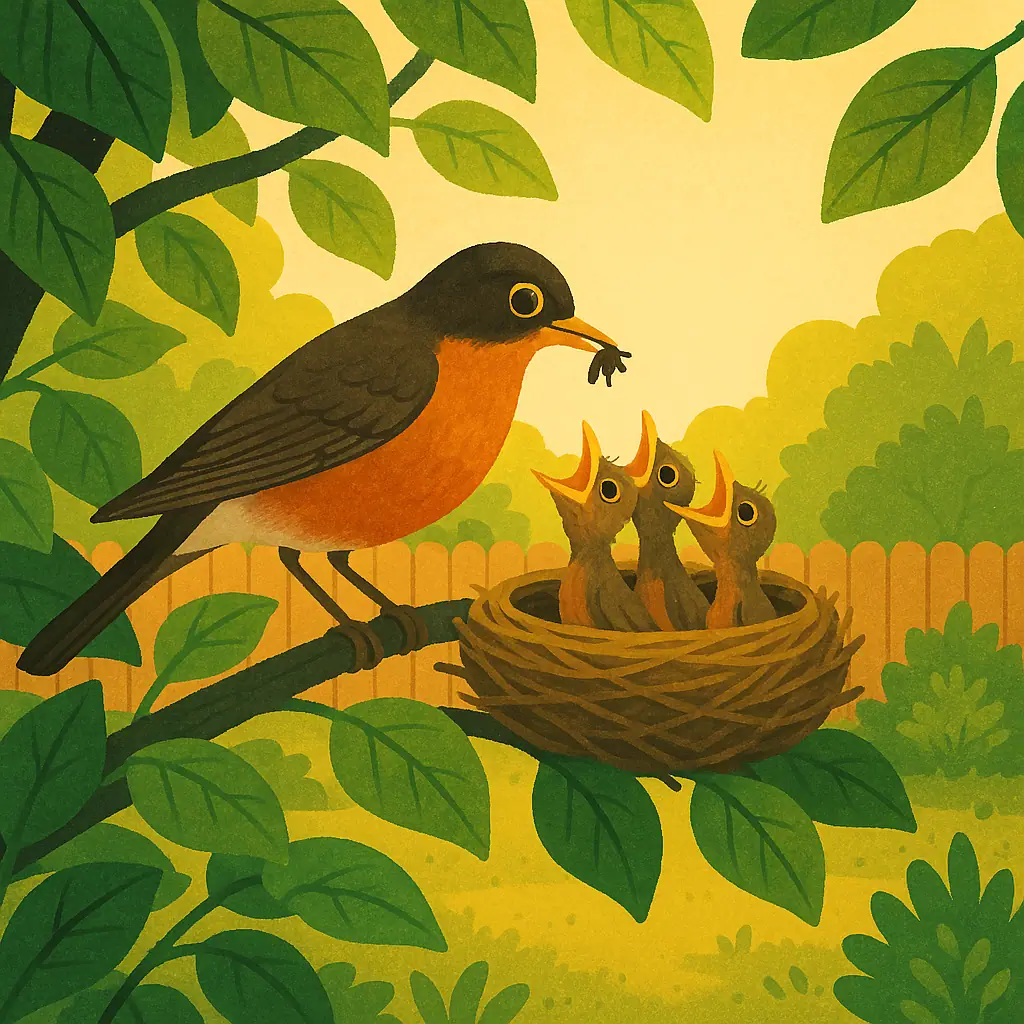
Dry weather does not change the basic rule around nests: observe from a respectful distance and do not move, trim around, or handle an active nest. If a shrub looks dry but has nesting activity, wait until the nesting period is over before pruning.
Birds may use shade, vines, brush piles, and dense plantings as protective cover. During drought, those places can become especially valuable. If you can leave a quiet corner alone, do so. Not every helpful action needs to be visible from the kitchen window.
- Do not move nests: Even well-meant moving can separate adults from eggs or young.
- Delay trimming: If birds are carrying food or nesting material into a shrub, postpone cutting it back.
- Watch from farther away: Binoculars help you enjoy the activity without standing too close.
- Keep pets away: Cats and curious dogs can turn a water station or nesting area into a danger zone.
Add Simple Habitat Help for Dry Weeks
Once water and cleaning are handled, think about habitat. Native plants, seed heads, leaf litter under shrubs, and small brush shelter can support insects, shade, and resting places. These changes are quieter than a new feeder, but they often help more over time.
You do not have to replant your whole yard during a drought. In fact, planting at the wrong time can be hard on both the plant and the gardener. Start by protecting what already works: leave some seed heads, avoid pesticides, keep a shallow water source clean, and save bigger planting plans for a better season.
Pros and Cons of Backyard Drought Help
Clean water can help many visitors
A simple bird bath may serve seed eaters, insect eaters, and birds that rarely use feeders.
Small habits are easy to repeat
Refreshing water and checking hazards can become a calm morning or evening routine.
Habitat choices last beyond one dry spell
Native plants, shade, and shelter can support birds through heat, migration, nesting, and winter.
Dirty water can cause trouble
A bath that is not cleaned often may collect droppings, algae, and spoiled debris.
Too much feeding can concentrate birds
Busy feeders need extra cleaning and may not be the best answer if the station is already messy.
A Simple Drought Checklist
Use this checklist when the weather stays dry and you want a repeatable routine.
- Water is fresh: Empty, scrub, rinse, and refill the bath instead of only adding more water.
- Depth is gentle: Keep the basin shallow and add clean stones if birds need footing.
- Placement is safe: Provide nearby cover, open visibility, and distance from reflective windows.
- Feeders are clean: Remove spoiled seed and pause feeding if the area becomes crowded or dirty.
- Plants are protected: Leave seed heads, shade, brush shelter, and active nesting areas undisturbed.
- Pets are managed: Keep cats indoors and keep dogs away from water and nesting spots.
When to Get Extra Help
If you see several sick birds, birds with swollen eyes, repeated collisions, or unusual behavior around a crowded feeder, stop and check guidance from a trusted wildlife source. Do not guess, and do not try to handle wild birds unless a licensed wildlife rehabilitator or local authority instructs you.
For drought-specific water rules, also check your city, county, or water district. Some areas restrict outdoor water use during severe dry periods. A small cleaned basin may still be allowed, but local rules are the source to trust.
Frequently Asked Questions
How often should I change bird bath water during drought?
Change it whenever it looks warm, dirty, or low. In hot dry weather, many backyard birdwatchers refresh water daily and scrub the basin often.
Should I put out more feeders when it is dry?
Not automatically. Clean water and safe habitat may help more than extra seed. If feeders become crowded or messy, clean more often or reduce feeding for a while.
Can I mist shrubs or leave a hose dripping for birds?
Only if local water rules allow it and you can do it safely. Avoid muddy, slippery areas and never leave deep containers where birds or other wildlife could become trapped.
What should I do if I find a nest during a dry spell?
Observe from a distance and leave the nest area alone. Avoid trimming, moving branches, or standing close enough to disturb the adult birds.
Final Thoughts
Helping birds during drought does not have to be complicated. Start with clean shallow water, keep the area safe, and protect the quiet habitat birds already use.
The most helpful backyard is not the busiest one. It is the one where water stays fresh, windows are safer, feeders are clean, and birds can come and go without pressure. That kind of help is simple, respectful, and easy to keep doing.