
Dark eyed junco identification is one of the sweetest winter skills a backyard birdwatcher can learn. These small, neat birds often appear on chilly mornings, hopping under feeders or along the edge of a shrub like little sparks of movement against the quiet ground.
Many people call them snowbirds because they seem to arrive just when the yard starts feeling bare. Once you know their rounded shape, pale bill, white outer tail feathers, and ground-feeding habits, they become familiar winter company instead of just another small gray bird.
Why Dark Eyed Junco Identification Matters
Juncos are helpful beginner birds because they reward slow watching. You do not need fancy equipment to notice them. A kitchen window, a steady chair, and a few minutes of attention are enough to see how they move, feed, and flash their tails.
For verified field marks, the National Audubon Society’s Dark-eyed Junco field guide is a useful outside reference. It is especially helpful for checking behavior, habitat, feeding, and range notes after your own observation.
Start With Shape Before Color
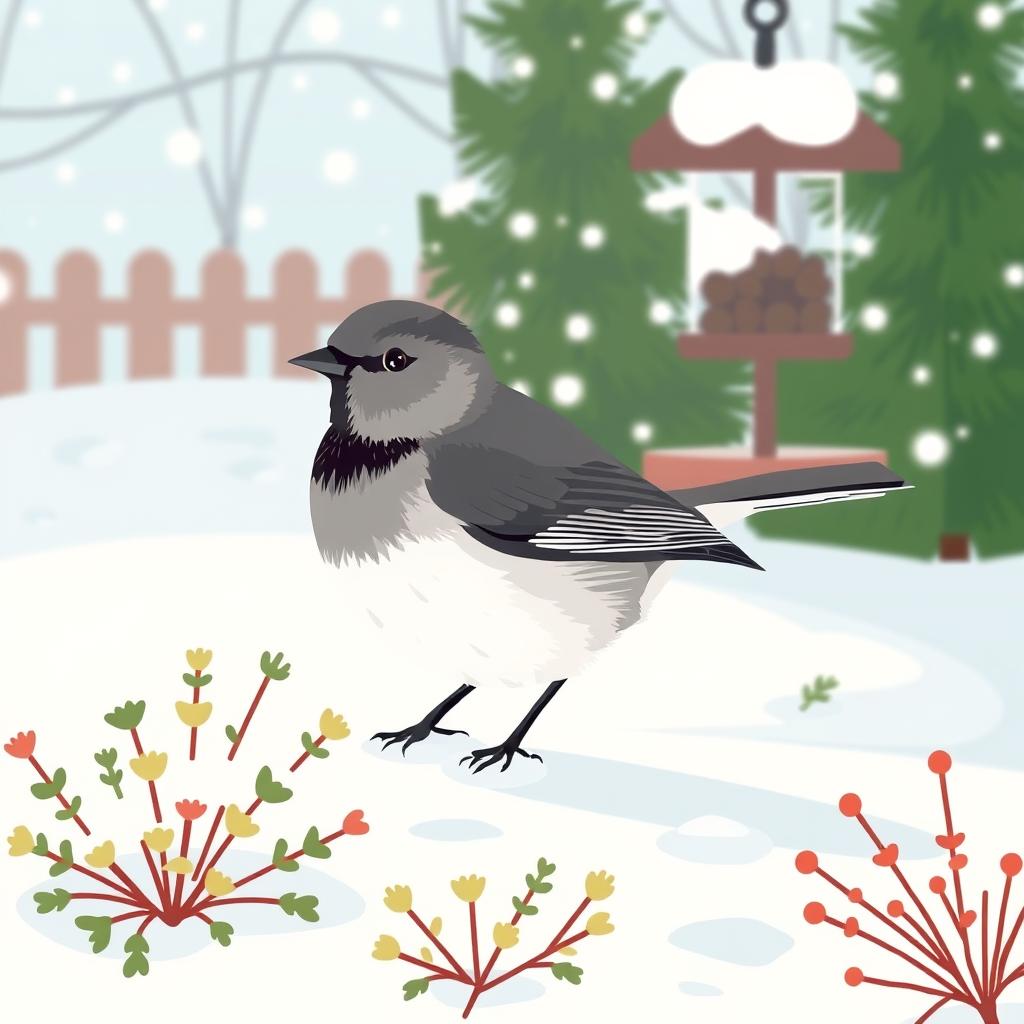
Color varies by region and lighting, so shape is the calmer first clue. A dark-eyed junco is sparrow-sized, compact, and rounded, with a fairly short neck and a neat bill. It often looks like a tidy little bird built for quick hops along the ground.
If you practiced with BirdPeep’s guide to identifying birds by shape before color, juncos are a friendly next lesson. Watch the outline first, then add color once the bird settles into view.
Field Marks to Notice
- Pale bill: Many juncos show a small pinkish or pale bill that stands out against the darker head.
- White belly: The underside often looks clean and light, especially when the bird faces sideways.
- Dark hood or gray-brown top: Eastern birds are often slate-gray above, while western forms can show brown, rusty, or buff tones.
- White outer tail feathers: These flash open when the bird takes off, like little white signals.
- Rounded body: The overall shape is compact, not long and stretched out.
Watch the Ground-Feeding Habit
One of the easiest junco clues is location. Juncos spend a lot of time on or near the ground, picking at fallen seeds, weed seeds, and bits scattered below feeders. They may hop, pause, scratch lightly, and move in loose groups.
This behavior separates them from many birds that prefer hanging feeders or tree trunks. For a comparison with another winter yard visitor that moves very differently, BirdPeep’s white-breasted nuthatch identification guide shows how posture and movement can make identification easier.
Where to Look First
Check the open ground below feeders, the edges of leaf litter, the base of shrubs, and the quiet side of a patio. Juncos often use cover nearby, then step out into the open to feed for a few moments.
If you keep a feeder station, a little spilled seed may bring them into view. Keep the area reasonably clean, though. Old wet seed can spoil, and clean feeding spaces are better for all backyard birds.
Why Juncos Feel Like Winter Visitors
In many parts of the United States, juncos become more noticeable during the colder months. Some breed farther north or at higher elevations and then appear in backyards, parks, and brushy edges when the season changes.
That does not mean every junco follows the same pattern. Some western or mountain populations may be present differently through the year. The practical beginner habit is simple: notice when they first appear in your own yard, then write down the date.
How to Tell Juncos from Similar Small Birds
Small winter birds can be confusing, especially when several are feeding at once. Do not rush the answer. Compare one clue at a time: body shape, bill color, tail flash, feeding level, and movement.
- House sparrow: Often chunkier around buildings, with stronger brown streaking and a different face pattern.
- Song sparrow: Usually shows heavier streaking on the chest and often stays near brushy cover.
- Chickadee: Has a black cap and bib, but moves more acrobatically on branches and feeders.
- Tufted titmouse: Shows a crest and often visits feeders at eye level instead of staying mostly on the ground.
When in doubt, wait for the tail. The little flash of white outer tail feathers during takeoff is one of the most useful clues for dark eyed junco identification.
Simple Ways to Welcome Winter Juncos
You do not need a complicated setup. Juncos appreciate a yard with safe cover, natural seed sources, and clean feeding areas. A few small choices can make your winter yard more useful without turning it into a project.
- Leave some seed heads: Native grasses and spent flowers can provide natural food.
- Keep low cover nearby: Shrubs, brushy edges, and evergreen cover give small birds places to retreat.
- Use fresh seed: Replace damp or spoiled seed promptly, especially after rain or snow.
- Offer shallow water when safe: Clean water helps winter birds, but only maintain what you can keep fresh.
- Reduce window reflections: Birds moving between ground and cover may fly near glass, so decals or screens can help.
For broader cold-weather care, BirdPeep’s guide to winter feeding for backyard birds gives a gentle routine for keeping feeders and water safer during the cold months.
Pros and Cons of Learning Juncos First
Pros: They are easy to watch from indoors
Juncos often feed in open ground patches where a patient beginner can study them without stepping outside.
Pros: Their tail flash is memorable
The white outer tail feathers give beginners a clear clue when the bird flies away.
Cons: Regional colors vary
Juncos do not look exactly the same everywhere, so a field guide or trusted source helps confirm details.
Cons: Small winter birds move quickly
First views may be brief, especially when a whole group lifts off together.
Frequently Asked Questions
Why are dark-eyed juncos called snowbirds?
Many people notice them most in winter, when they appear in yards during colder weather. The nickname comes from that seasonal feeling, not because they only live in snow.
What is the easiest dark eyed junco identification clue?
Start with a small rounded bird feeding on the ground, then look for a pale bill and white outer tail feathers that flash when it flies.
Do juncos eat from hanging feeders?
They may visit some feeder setups, but many beginners notice them below feeders where fallen seed collects.
Are all dark-eyed juncos gray and white?
No. Regional forms can show different gray, brown, rusty, or buff patterns. The pale bill, shape, behavior, and white tail feathers still help.
Final Thoughts
Dark eyed junco identification becomes easier when you slow the moment down. Watch the ground, notice the compact shape, check the pale bill, and wait for the white tail flash.
A winter yard can feel quiet, but juncos make it lively in a gentle way. The next time small birds hop under your feeder, take one calm minute to watch before reaching for a guide.