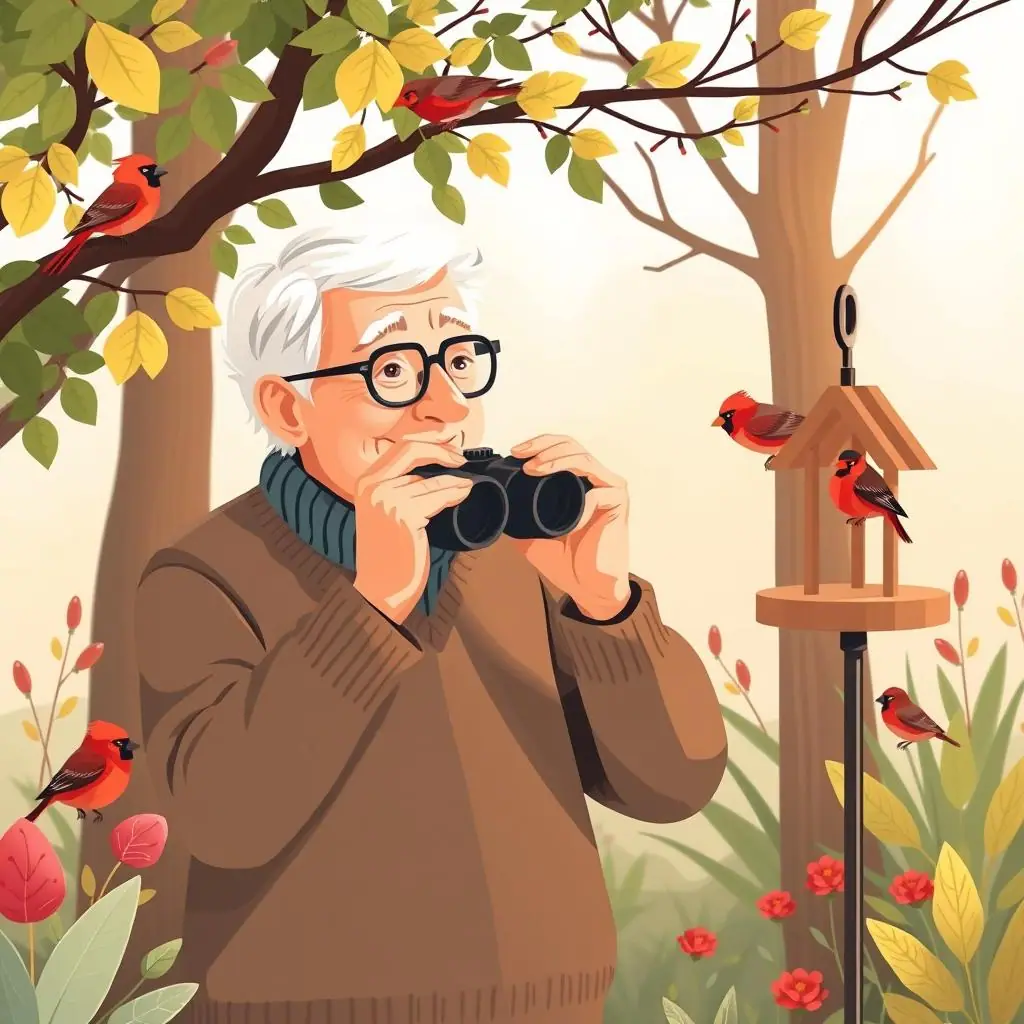
Learning to identify birds by shape is one of the kindest gifts you can give yourself as a beginner. Color is lovely, of course. A cardinal's red flash or a goldfinch's yellow coat can make the whole yard feel brighter. But color can also fool you. Shade, distance, winter plumage, young birds, females, and bright backlighting can all change what your eyes think they see.
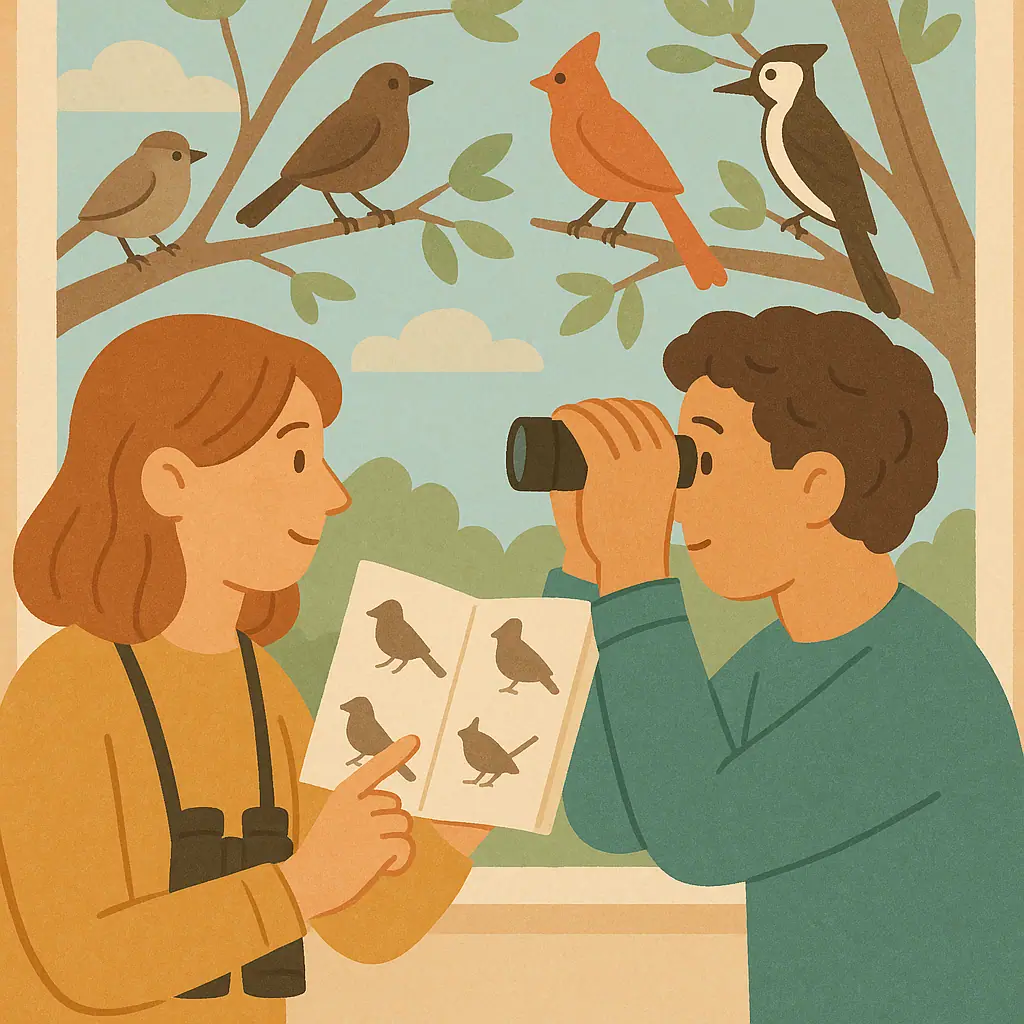
Shape is steadier. A bird's outline, posture, bill, tail, and way of moving often tell you the right neighborhood before color confirms the address. Once you start noticing shape, even a plain brown bird becomes less mysterious. It turns into a small puzzle with friendly clues.
Why Identify Birds by Shape First?
Experienced birders often begin with structure because it narrows the possibilities quickly. Audubon and Cornell Lab identification guidance both emphasize size, shape, behavior, and habitat as key clues, not color alone. That matters because many backyard birds wear muted colors for part of the year, and some look surprisingly different depending on light.
Imagine seeing a bird at the top of a tree on a cloudy morning. The colors may be almost invisible, but you can still notice whether it is round like a chickadee, upright like a robin, slender like a wren, or heavy-billed like a cardinal. Shape lets you keep watching calmly instead of rushing to a wrong answer.
The beginner advantage
- Shape works at a distance: You can often read outline before you can see feather details.
- Shape reduces overwhelm: Instead of comparing every bird in a guide, you first choose the right general group.
- Shape builds memory: A bird's posture and movement are easier to remember than a tiny wing stripe.
- Shape helps in poor light: Morning shade and winter sun may hide color, but silhouettes remain useful.
Start with Size: Compare Every Bird to Familiar Neighbors
Size is the simplest shape clue, but it works best when you compare birds to species you already know. You do not need exact inches. You need a mental yardstick. Many beginners use three common references: smaller than a sparrow, about robin-sized, or larger than a robin.
From a kitchen window or porch chair, this quick comparison helps immediately. A small bird on a feeder may be in the chickadee, titmouse, finch, or sparrow neighborhood. A medium bird hopping on the lawn may point toward robin, starling, dove, or grackle. A large shadow moving through the yard asks a different question entirely.
A simple size ladder
- Tiny: Hummingbirds, kinglets, and some small warblers look delicate and quick.
- Small: Chickadees, wrens, sparrows, finches, and titmice are compact backyard regulars.
- Medium: Robins, blue jays, doves, starlings, and blackbirds are easier to see from indoors.
- Large: Crows, hawks, herons, and turkeys need a broader frame of comparison.
Notice the Bird's Posture and Overall Silhouette
Posture is where bird shape becomes charming. Some birds sit round and tucked, like a little feathered teacup. Others stand tall with confidence. A robin often looks upright on the lawn, pausing between hops. A dove looks soft, rounded, and gentle. A wren may look small but alert, with a tail often held up like a tiny flag.
Silhouette also includes the head, neck, body length, and tail. Woodpeckers often cling vertically to trunks, using a stiff tail as a brace. Nuthatches can look compact and determined as they move headfirst down bark. Sparrows often appear low, streaky, and busy near the ground. These impressions are not childish guesses; they are real identification clues.
Use Bill Shape as a Shortcut
A bird's bill is like a tiny tool, and the tool often hints at the bird's lifestyle. Thick, cone-shaped bills are built for cracking seeds. That points you toward birds such as cardinals, finches, grosbeaks, and some sparrows. Long, slender bills often suggest insects, nectar, or probing. A straight chisel-like bill can point toward woodpeckers.
You do not need to memorize every bill type at once. Just begin with broad categories. Is the bill thick or thin? Short or long? Straight or curved? Once you notice that a cardinal has a strong seed-cracking bill and a chickadee has a smaller, neater bill, your eyes begin sorting birds before you open a field guide.
- Thick cone bill: Often seed eaters such as finches, cardinals, and grosbeaks.
- Thin pointed bill: Often insect eaters such as wrens, warblers, and some vireos.
- Chisel bill: Woodpeckers use sturdy bills to tap, drill, and pry at bark.
- Long probing bill: Shorebirds and some yard visitors use longer bills to reach food in soil, mud, or flowers.
Tail Clues: Length, Shape, and Movement
The tail is easy to overlook, but it can be wonderfully helpful. A long tail may make a bird look stretched and graceful. A short tail may make it look compact. Some birds pump, flick, bob, fan, or cock their tails in ways that become familiar with practice.
Wrens often carry their tails upward. Doves show long tapered tails and a gentle head-bobbing walk. Woodpeckers use stiff tails for support on trunks. Hawks may reveal broad wings and a long tail as they slip through the yard. Even when color disappears into shade, tail shape and movement remain readable.
Pros and Cons of Shape-First Bird Identification
Works before colors are clear
Shape helps you make progress when the bird is distant, backlit, partly hidden, or wearing dull seasonal plumage.
Builds calmer observation habits
You learn to pause, compare, and notice the whole bird instead of jumping to the first bright color you see.
Improves field guide use
Knowing the general shape group makes apps and books feel less overwhelming for new birdwatchers.
Needs patient practice
At first, every small bird may still look alike. The skill grows through repeated, gentle observation.
Some species still require details
Shape narrows the choices, but closely related birds may still need color pattern, voice, habitat, or range.
A Gentle Practice Routine for Your Backyard
Choose one comfortable watching spot and spend ten minutes on shape only. Do not worry about making a perfect identification. Write down short notes such as "small round bird, short bill, quick feeder visits" or "medium upright bird, hopping on lawn, longish legs." These notes are valuable even if you never name the bird that day.
After you watch, compare your notes with a guide or app. Cornell's All About Birds species pages are especially beginner-friendly because they separate size and shape, color pattern, behavior, and habitat. That structure trains your eye to notice one clue at a time.
- First minute: Estimate size compared with sparrow, robin, or crow.
- Next three minutes: Watch posture, tail position, and how the bird moves.
- Next three minutes: Look at bill shape and feeding style.
- Final minutes: Add color, voice, and habitat only after shape clues are written.
Frequently Asked Questions
Is color ever useful for bird identification?
Yes. Color is very useful, but it works best after you have considered size, shape, behavior, and habitat. Think of color as confirmation, not the first and only clue.
What if all small birds look the same to me?
That is completely normal. Start by separating round birds from slender birds, short tails from long tails, and thick bills from thin bills. Those three comparisons make small birds less confusing.
Can I practice shape identification without binoculars?
Absolutely. Binoculars help with details, but shape, posture, tail length, and movement can often be noticed with the naked eye from a window, porch, or bench.
Which shape clue should I learn first?
Start with size. Compare every bird to familiar backyard birds such as a sparrow, robin, dove, or crow. Then add posture, bill shape, and tail clues.
Final Thoughts
Learning to identify birds by shape turns birdwatching into a quieter, more confident habit. Instead of chasing perfect colors or worrying about exact names, you begin seeing the whole bird: how it sits, moves, feeds, and fits into the yard. A silhouette on a branch becomes less like a mystery and more like a friendly introduction.
Take it slowly. Let shape be your first clue, color your second, and curiosity your steady companion. The more you practice, the more each backyard visitor begins to feel familiar.