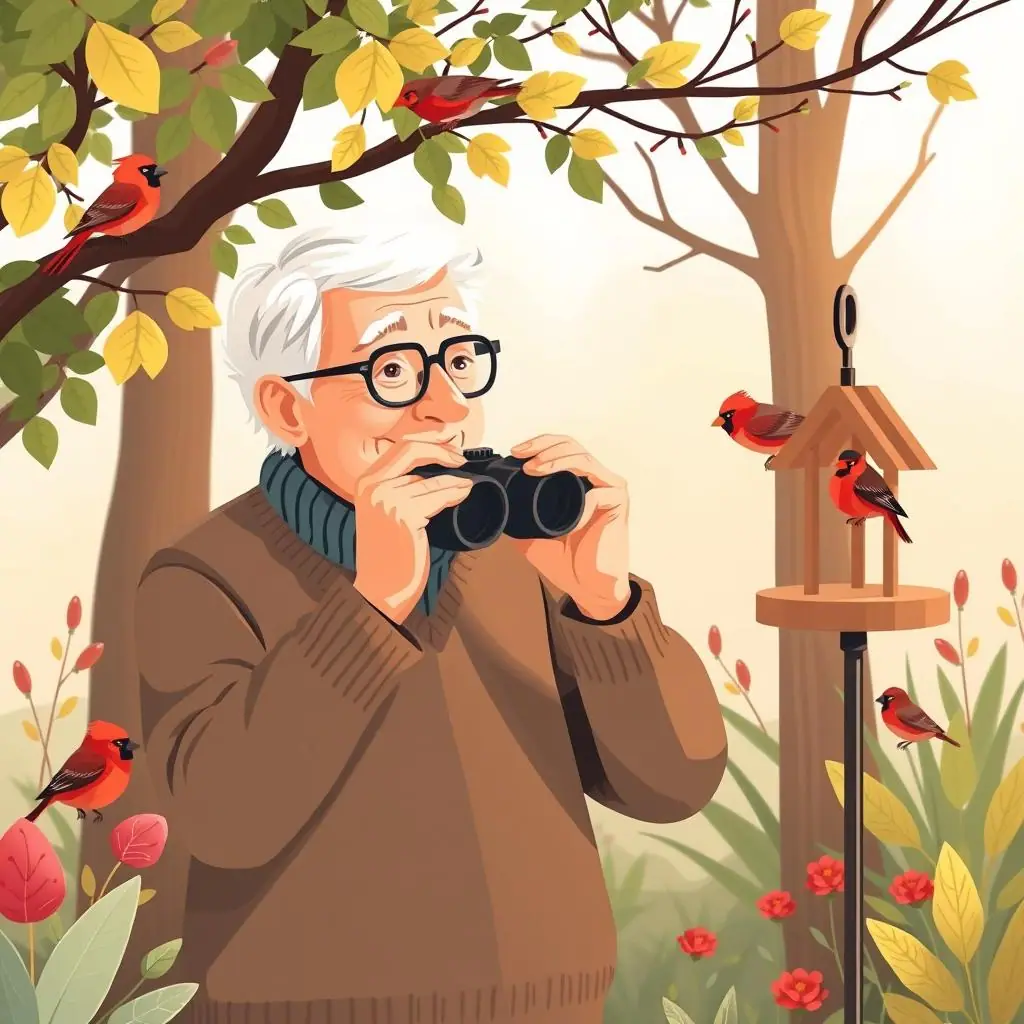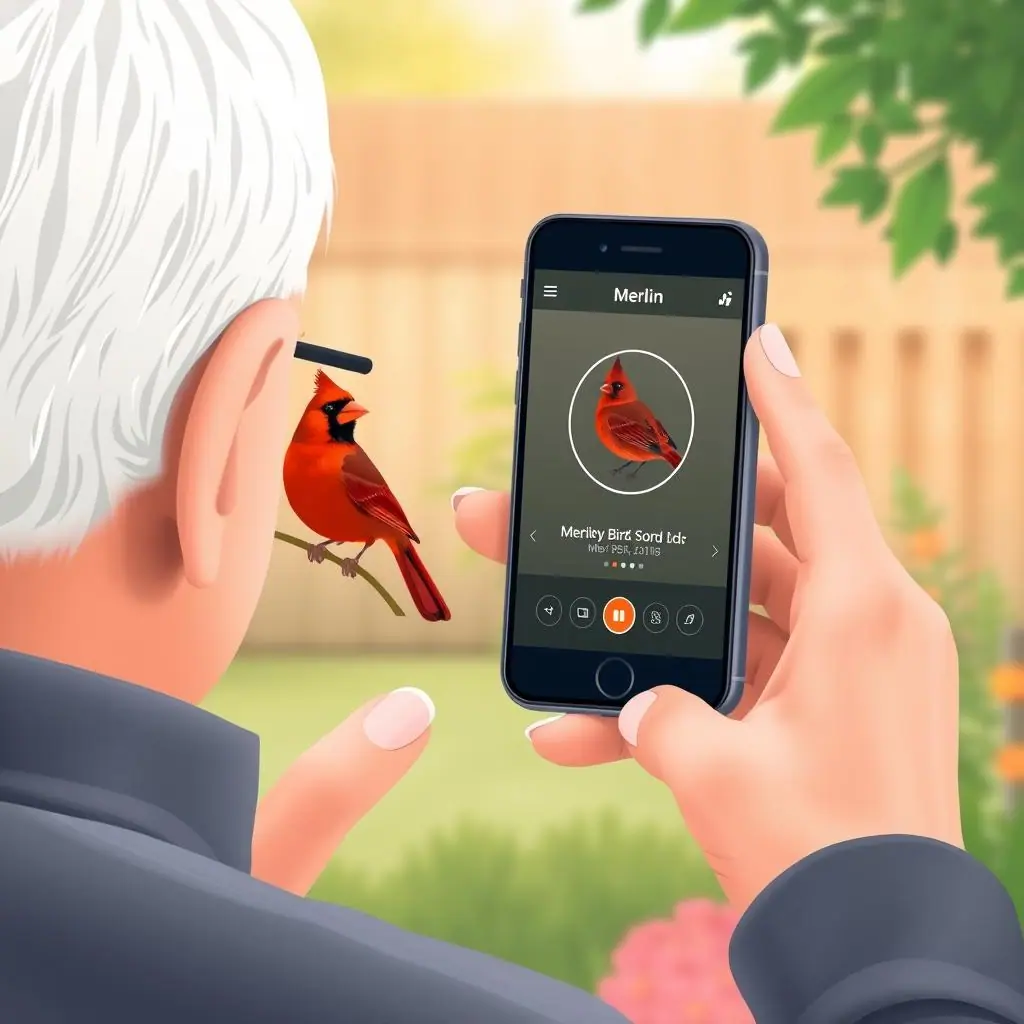
A daily birdwatching routine does not need to be long, fancy, or full of equipment. Ten quiet minutes can be enough to notice who visits your yard, how the morning sounds change, and which small habits help you learn a little more each day.
The secret is to make the routine easy to repeat. Instead of trying to identify every bird at once, you give yourself one calm window of attention. You watch, listen, note one or two details, and stop before the hobby starts to feel like homework.
Why a Daily Birdwatching Routine Matters
Beginners often think birdwatching skill comes from rare trips, expensive binoculars, or knowing every field mark by memory. Those things can help, but regular observation teaches the most useful first lessons: where birds perch, when they feed, how they move, and what normal activity looks like in your own place.
The Cornell Lab of Ornithology offers a broad home base for bird learning and identification tools at birds.cornell.edu. It is a helpful place to verify unfamiliar species or explore next steps after your own quiet observations.
Start With the Same Comfortable Spot
Choose one place you can return to most days: a kitchen window, porch chair, patio bench, or sunny corner of the room. Repetition matters because familiar surroundings make changes easier to notice. A bird that appears every morning becomes your baseline. A new call, shadow, or feeding pattern then stands out naturally.
If you enjoy watching from indoors, BirdPeep's guide to watching birds from a kitchen window can help you create a quiet viewing spot that keeps birds comfortable. The more predictable and still you are, the more ordinary bird behavior you will get to see.
What Makes a Good Daily Spot?
- Easy access: pick a place you can use without rearranging furniture or carrying several items.
- Good sight lines: look toward a shrub, feeder, bird bath, tree edge, fence, or open patch of ground.
- Comfortable seating: if sitting is easier, make that part of the routine instead of standing at a window.
- Low disturbance: avoid leaning out, tapping glass, walking toward feeding birds, or changing position too often.
What to Check First Each Day
Begin with the same three questions. What is moving? What is making sound? What is different from yesterday? These are simpler than trying to name every bird, and they teach you to observe before guessing.
Some days will be quiet. That still counts. You might notice wind direction, an empty feeder, a wet branch after rain, or a robin listening in the grass. Daily birdwatching becomes richer when you accept slow days as part of the pattern.
For readers who want a routine that works from a chair, porch, or short walking route, the BirdPeep article on birdwatching with limited mobility offers gentle ways to make the hobby fit your body and home instead of the other way around.
The Three-Minute Scan
- Look wide first: scan trees, rooflines, shrubs, and the ground before focusing on one bird.
- Listen without naming: notice whether sounds are soft, sharp, repeated, far away, or nearby.
- Watch one bird longer: choose a single visitor and follow its behavior for a minute or two.
The 10-Minute Routine Step by Step
This simple rhythm keeps the session short enough to repeat and spacious enough to enjoy. Use a kitchen timer if that helps, but do not let the clock make the moment feel rushed.
- Minute 1: Settle in. Sit or stand quietly, put your phone aside unless you are using it for notes, and let the yard return to normal.
- Minutes 2-3: Scan the whole scene. Notice movement in trees, bushes, fences, wires, feeders, water, and open ground.
- Minutes 4-5: Listen carefully. Pick out one repeated sound, even if you cannot identify it yet.
- Minutes 6-7: Follow one bird. Watch how it moves. Does it hop, creep, scratch, glide, perch upright, or flick its tail?
- Minute 8: Note the setting. Record weather, time of day, and where the bird spent most of its time.
- Minute 9: Make one careful guess. Use shape, behavior, size, or color, but mark uncertain IDs with a question mark.
- Minute 10: Close kindly. Stop while you still feel curious, not frustrated. That makes tomorrow easier.
If you want to improve identification without buying anything new, pair this routine with BirdPeep's guide to identifying birds by shape before color. Shape and movement often stay visible even when light or distance makes colors confusing.
Common Getting-Started Mistakes to Avoid
The most common mistake is trying to turn every short session into a complete identification test. That can make a peaceful hobby feel like an exam. A better approach is to collect small clues and let confidence build through repetition.
- Do not chase every bird: if one flies away, return to the wider scene instead of hurrying after it.
- Do not overfill the routine: one note, one sound, or one behavior can be enough for the day.
- Do not rely only on color: light, shadows, distance, and season can all change what you think you see.
- Do not skip quiet days: low activity teaches you what normal weather, time, and season changes look like.
- Do not force certainty: write “unknown sparrow” or “small gray bird” when that is the honest observation.
Pros and Cons of a 10-Minute Routine
It feels easy to repeat
Ten minutes is short enough for most mornings, which helps the habit survive busy or low-energy days.
It builds local knowledge
You learn your own yard's regular visitors, quiet hours, favorite perches, and seasonal changes.
It reduces pressure
The routine rewards noticing, not perfection, so beginners can enjoy the process before mastering names.
It may miss unusual activity
A short session cannot capture everything, so surprise visitors may appear outside your usual window.
Progress can feel subtle
Skills grow quietly at first. Notes help you see improvement that memory alone may overlook.
A Simple Checklist
Keep this checklist near your window, field guide, or notebook until the routine feels natural.
- Same spot: Am I watching from a comfortable place I can use again tomorrow?
- Same time if possible: Am I building a pattern I can compare over days?
- Wide scan first: Did I look across the whole scene before focusing close?
- One bird longer: Did I follow one visitor long enough to notice behavior?
- One honest note: Did I write what I truly saw, not what I hoped the bird was?
- Gentle finish: Did I stop without disturbing feeders, nests, shrubs, or resting birds?
When to Get Extra Help
Use trusted references when a detail affects safety, wildlife care, or a confident identification. If you find a bird that seems injured, trapped, or unable to fly, contact a licensed wildlife rehabilitator or local wildlife agency rather than guessing.
For everyday learning, a notebook can do more than you might expect. BirdPeep's guide to using a simple birdwatching notebook explains how small repeated notes make future IDs easier and less stressful.
Frequently Asked Questions
What should I check first in a daily birdwatching routine?
Start with movement, sound, and what has changed since your last session. Those three clues are easier than trying to name every bird immediately.
How often should I review my notes?
Once a week is enough for most beginners. Look for repeated times, places, and behaviors rather than perfect species lists.
What should I do if I am not sure what I saw?
Write the uncertainty down. A note like “small brown bird, ground, tail flicking” is useful, and you can check a trusted guide later.
Can I change the routine later?
Yes. Start with 10 minutes, then adjust the time, spot, or focus as you learn what feels comfortable and productive.
Final Thoughts
The best daily birdwatching routine is one you actually want to repeat. Ten quiet minutes can teach movement, sound, shape, comfort, weather, and patience. It can also turn an ordinary window or porch into a familiar little nature station.
Tomorrow, choose one spot and one time. Watch wide, listen gently, follow one bird, and write one honest note. That is enough to begin.