It is easy to want to help when nesting season begins. You may notice birds carrying grass, moss, or tiny twigs and think, "Maybe I can make this easier for them." That instinct is kind, but safe nesting materials for birds matter much more than simply putting out something soft.
Some of the most common homemade ideas can create trouble instead of comfort. Stringy fibers can tangle around feet and necks, and damp or treated materials can bring chemicals or mold into a nest. The gentlest approach is usually to offer only simple, natural items and let birds decide what they truly need.
NestWatch at the Cornell Lab recommends sticking with natural materials such as moss, twigs, leaves, lichen, rootlets, and untreated grass clippings when people choose to help at all. That simple rule keeps this topic much calmer for beginners.
Why Safe Nesting Materials Matter
Birds build nests with a clear purpose. They need structure, softness, camouflage, drainage, and enough strength to hold eggs and growing chicks. A material that seems cozy to us may behave very differently once it gets wet, catches on bark, or wraps around a tiny leg.
The U.S. Fish and Wildlife Service warns against offering string, twine, yarn, dryer lint, and pet hair because those materials can tangle birds or bring harmful chemicals into the nest. That is why a careful yard setup is more helpful than a generous but risky pile of household scraps.
Good intentions are not always safe
Birds may use what is available, even when it is not ideal. Seeing a bird carry lint or thread does not mean those items are safe. It only means the bird found them.
Simple materials are easier to manage
Natural items are also easier for you to check after rain or wind. If something looks moldy, matted, or dirty, you can remove it without second-guessing a complicated mix of craft materials.
Start With Natural Materials Birds Already Understand
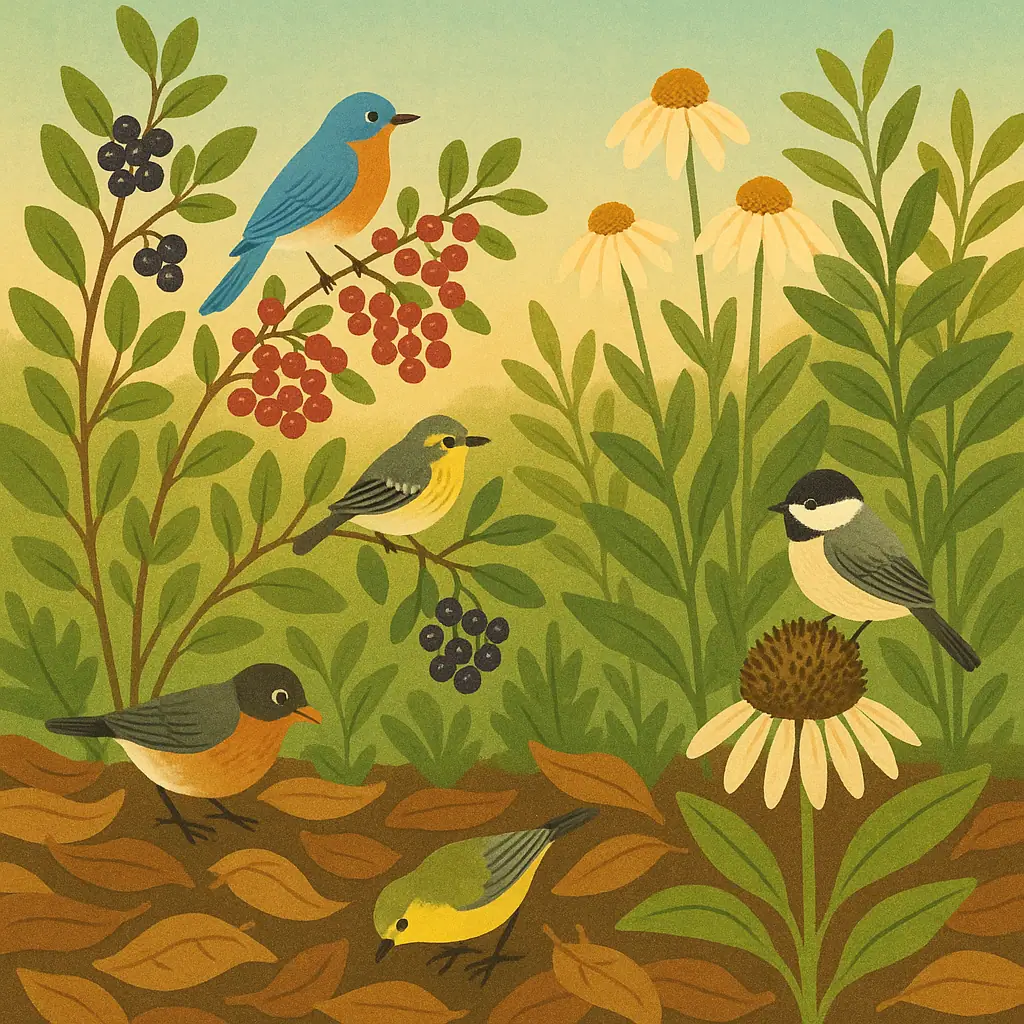
The easiest safe choice is to copy what birds already gather on their own. Small twigs, dry leaves, thin bark strips, moss, lichen, rootlets, pine needles, and untreated dry grass can all be useful depending on the species and your local habitat.
If you are already shaping a yard that feels welcoming, BirdPeep's guide to safe shelter for birds with shrubs, evergreens, and brush piles pairs well with nesting material advice because shelter and nesting resources often work together. A protected corner with native cover may do more good than a large basket of extras.
- Dry twigs and thin stems: helpful for structure and outer support.
- Leaves and bark strips: useful for lining or camouflage in many yards.
- Moss and lichen: good natural options when they are already part of your local landscape.
- Untreated grass clippings: only when they are dry and free from fertilizer, pesticide, or herbicide residue.
How to Offer Materials Without Making a Mess
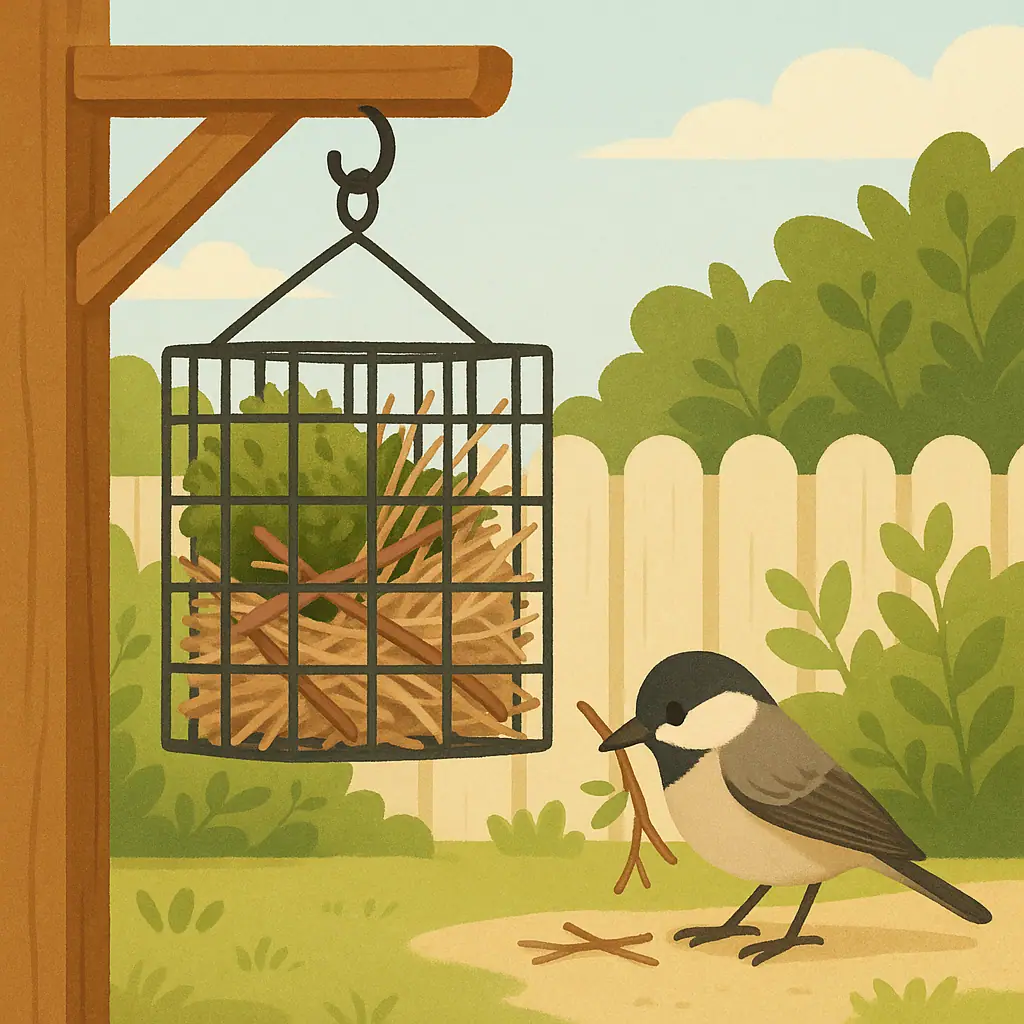
You do not need a fancy setup. Cornell says natural nesting materials can be placed in a clean suet cage, set in a small loose pile, or left where birds can pick through them naturally. The goal is easy access, not decoration.
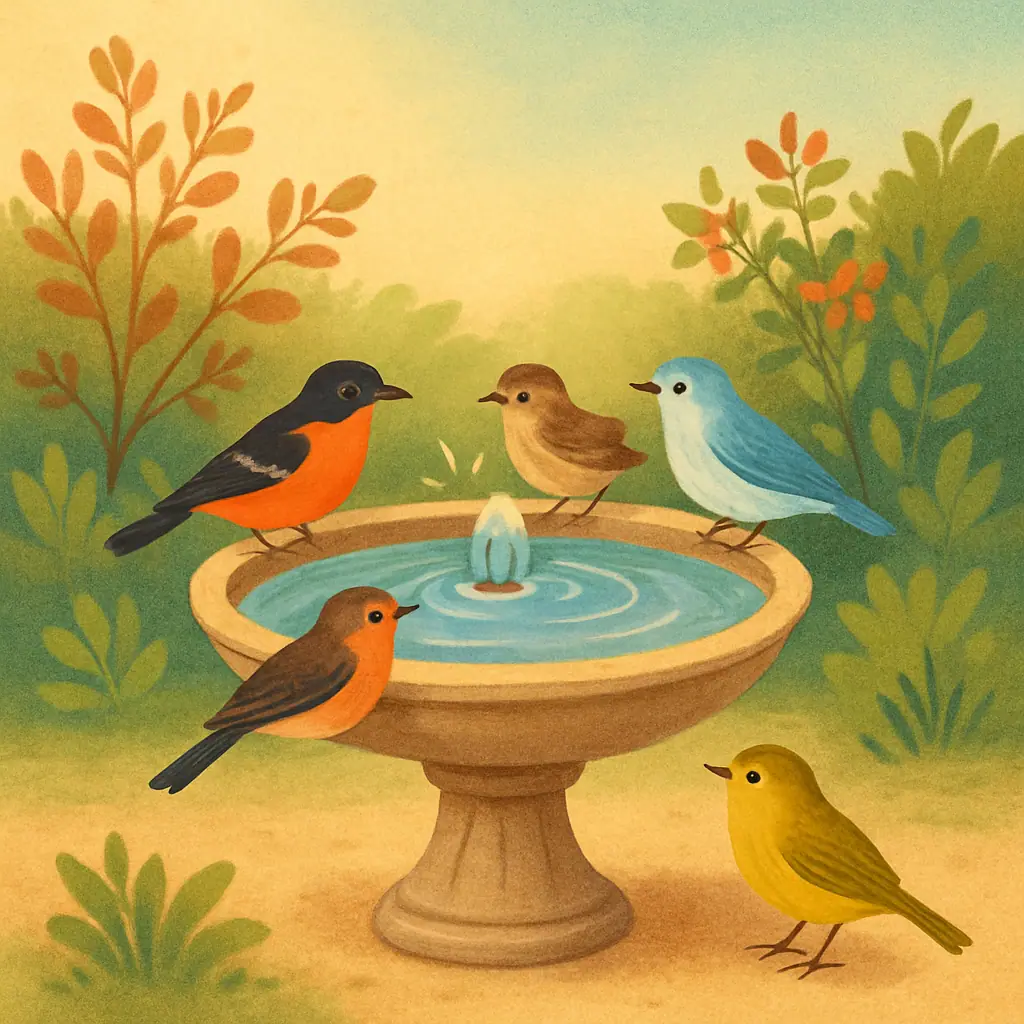
Placement matters too. Keep the offering tidy, dry, and away from anything sticky or dirty. If you already maintain water features for birds, BirdPeep's post on adding moving water safely shows the same principle: simple upkeep beats complicated gadgets every time.
Choose one small location
A quiet railing, a clean suet cage, or a calm patch near shrubs is usually enough. Spreading material all over the yard makes it harder to monitor and easier for rain to spoil it.
Refresh after rain
If your pile becomes wet, moldy, or compacted, replace it with a smaller fresh amount. Nesting material should feel like a light seasonal offering, not permanent clutter.
What Not to Offer Birds
This is the part many beginners most need. Yarn, thread, twine, fishing line, dryer lint, fabric strips, and long hair can all create tangles. Pet fur can also be risky when flea or tick treatments, shampoos, or other chemicals are involved.
The Fish and Wildlife Service also notes that birds are well adapted and do not need heavy human intervention to find nest material. If you are unsure about an item, skipping it is usually the safer choice.
- Avoid anything stringy: yarn, thread, ribbon, twine, and fishing line can wrap around legs, wings, or necks.
- Avoid dryer lint: it may contain detergent residue, fragrances, and synthetic fibers.
- Avoid treated fur or hair: pet products can leave behind chemicals that do not belong in nests.
- Avoid plastic and fabric scraps: even soft-looking pieces can hold water or snag tiny toes.
Common Mistakes That Create Hazards
One common mistake is assuming softness equals safety. Another is mixing good and bad materials together so birds must sort through risky items to find the safe ones. A third mistake is forgetting to check the offering after weather changes.
If you are already trying to make your yard more bird-friendly overall, BirdPeep's article on bird-safe yard care is a useful companion because nesting safety and chemical safety overlap more than many people expect.
Do not turn nesting help into a craft project
Birds do not need colorful bundles or decorative strings tied around a feeder pole. The safer the presentation, the less chance you create a hazard by accident.
Do not place materials too close to heavy activity
A quiet shrub edge is better than a busy walkway, grill area, or spot where pets rush past. Calm placement helps birds collect material without extra stress.
Pros and Cons of Offering Nesting Materials
It can support natural nesting behavior
A small supply of safe, natural material may save birds a little searching time in yards where those items are scarce.
It encourages careful observation
You may notice more about local birds when you watch what they choose and what they ignore.
It works best when kept simple
A tidy offering of natural material is easy to manage and easier to keep low-risk.
Unsafe materials can do real harm
Stringy or treated fibers can create entanglement and chemical risks for adults and nestlings.
Wet material needs monitoring
If you do not refresh it after rain, a once-safe offering can become dirty, matted, or mold-prone.
A Simple Checklist Before You Put Anything Out
- Ask if it is natural: would a bird reasonably find this outdoors without human help?
- Ask if it is untreated: no pesticides, fertilizer residue, fragrance, or pet-care chemicals.
- Ask if it is short and non-stringy: avoid anything that could loop, knot, or wrap.
- Ask if it will stay dry enough: replace material that becomes soggy or moldy.
- Ask if the spot is calm: offer it where birds can gather it without too much traffic.
- Ask if less would work: a small clean offering is usually better than a large messy one.
When It Is Better to Do Nothing
Sometimes the safest help is simply leaving natural yard materials in place. A few leaves under shrubs, some fine twigs at the edge of a bed, and native plant cover can already give birds what they need without any special setup.
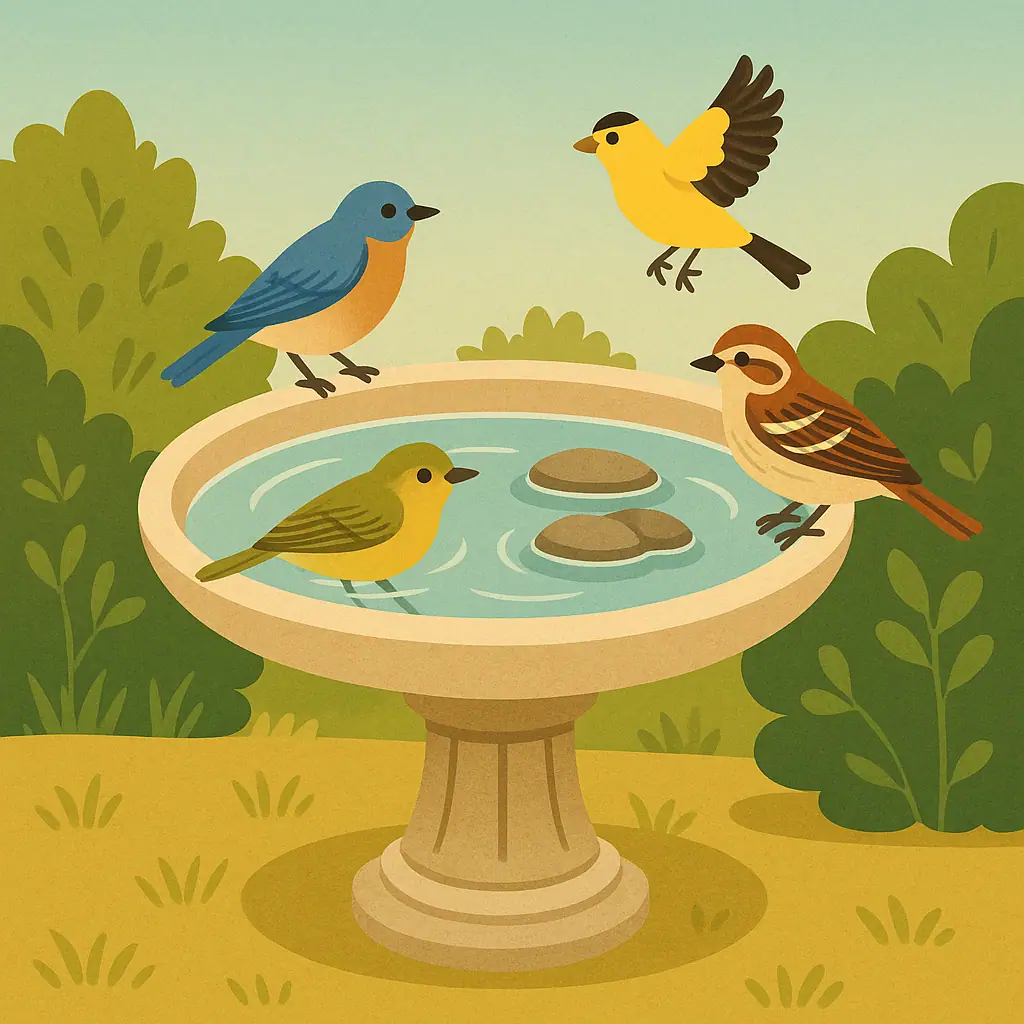
If you want to make your yard helpful in a broader way, our guide on choosing an easy-clean bird bath offers another gentle improvement that supports birds without introducing nest hazards. Clean water and good shelter often matter more than a basket of extras.
Frequently Asked Questions
Are human hair and pet fur safe for bird nests?
They are better avoided. Long hair can tangle birds, and pet fur may carry residues from flea or tick treatments, shampoos, or other chemicals.
Is dryer lint a good nesting material because it feels soft?
No. Dryer lint can hold detergent residue, fragrances, and synthetic fibers, and it does not stay reliably safe when it gets wet.
What is the safest simple material to start with?
Dry natural options such as small twigs, leaves, moss, lichen, bark strips, or untreated grass are the gentlest starting point.
Do birds need people to provide nesting materials at all?
Not usually. Birds are well adapted to gather what they need, so if you are unsure, keeping your yard natural and low-chemical is already helpful.
Final Thoughts
If you want to help birds during nesting season, the safest path is refreshingly simple: offer only natural, untreated materials in a small tidy way, and skip anything stringy, synthetic, or chemically treated.
That choice protects the birds while keeping your own routine manageable. When in doubt, let nature lead, keep the yard calm, and make every small action easier for birds rather than more complicated.