Bird safe yard care begins with a quiet walk, not a shopping list. Before mowing, pruning, spraying, or rearranging the feeding area, take a few minutes to notice where birds are landing, bathing, hiding, and calling. Your yard is already telling you what helps and what might need a gentler touch.
For beginners, the goal is not to make a perfect wildlife sanctuary overnight. It is to make small choices that reduce risk while keeping the yard pleasant for you, too. A cleaner bird bath, a safer window, a less hurried pruning day, or one patch of native cover can all protect the birds that already visit.
I checked the Cornell Lab of Ornithology as the requested source before making current bird-safety recommendations. The guidance below keeps those ideas practical for a backyard routine.
Why Bird Safe Yard Care Matters
Backyard birds use our spaces in quick, careful ways. A cardinal may tuck into shrubs before visiting a feeder. A robin may hunt for insects in leaf litter. A chickadee may pause on a branch before deciding whether the bird bath feels safe. Yard care can either support those little decisions or make them harder.
The reassuring part is that most improvements are simple. You do not need a large yard, expensive equipment, or perfect plant knowledge. You need observation, clean water, fewer hazards, and the patience to adjust one thing at a time.
Start With Your Attracting Birds Setup
Look first at the places you created for birds on purpose: feeders, baths, shrubs, brush piles, and quiet corners. These are the busy spots where a small problem can affect many visitors. Wet seed, dirty water, or cluttered flight paths can turn a welcoming setup into a risky one.
If your feeding area has grown piece by piece, step back and ask whether birds have room to approach, pause, feed, and leave. Our guide to bird feeders for beginners can help you think through feeder types and simple placement without overcomplicating the yard.
Make one improvement at a time
Changing everything at once makes it harder to learn what worked. Move one feeder, clean one bath, add one shelter plant, or treat one window. Then watch for several days. Birds respond to patterns, and patient observation teaches you more than a weekend of frantic rearranging.
Keep the view calm and usable
A good bird area should be easy for you to maintain. If a feeder is hard to reach, it will not be cleaned often. If the bath is tucked behind heavy pots, stale water may sit too long. Bird safe yard care should fit your normal week.
Check Your Backyard Before Spring Bird Activity Picks Up
Spring and early summer bring more movement, more song, and more nesting behavior. Before trimming shrubs or clearing corners, walk the yard slowly. Listen for repeated calls from one area. Watch whether birds carry twigs, grass, or food. Notice whether a shrub has become a regular landing spot.
You do not need to identify every species to make a safer decision. If birds are repeatedly entering a dense bush, postpone heavy pruning and observe from a distance. If a brush pile is being used as cover, tidy around it rather than removing it suddenly.
Safe shelter matters around feeding areas as well. If you want to add cover without making the yard feel messy, our article on shrubs, evergreens, and brush piles for backyard birds explains beginner-friendly shelter choices.
- Walk before mowing: Look for ground activity, low nests, fledglings, and birds repeatedly visiting the same patch.
- Prune with caution: Avoid cutting dense shrubs when birds appear to be nesting or using them heavily.
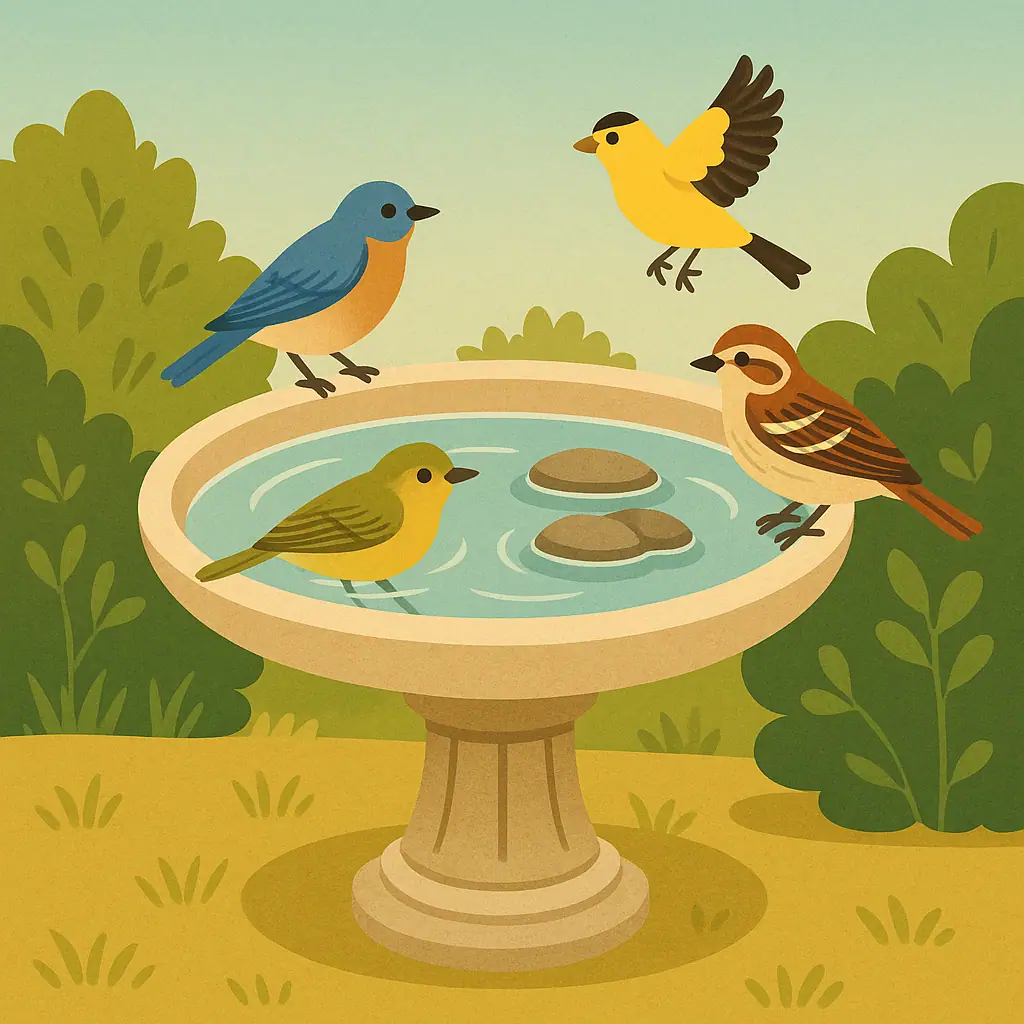
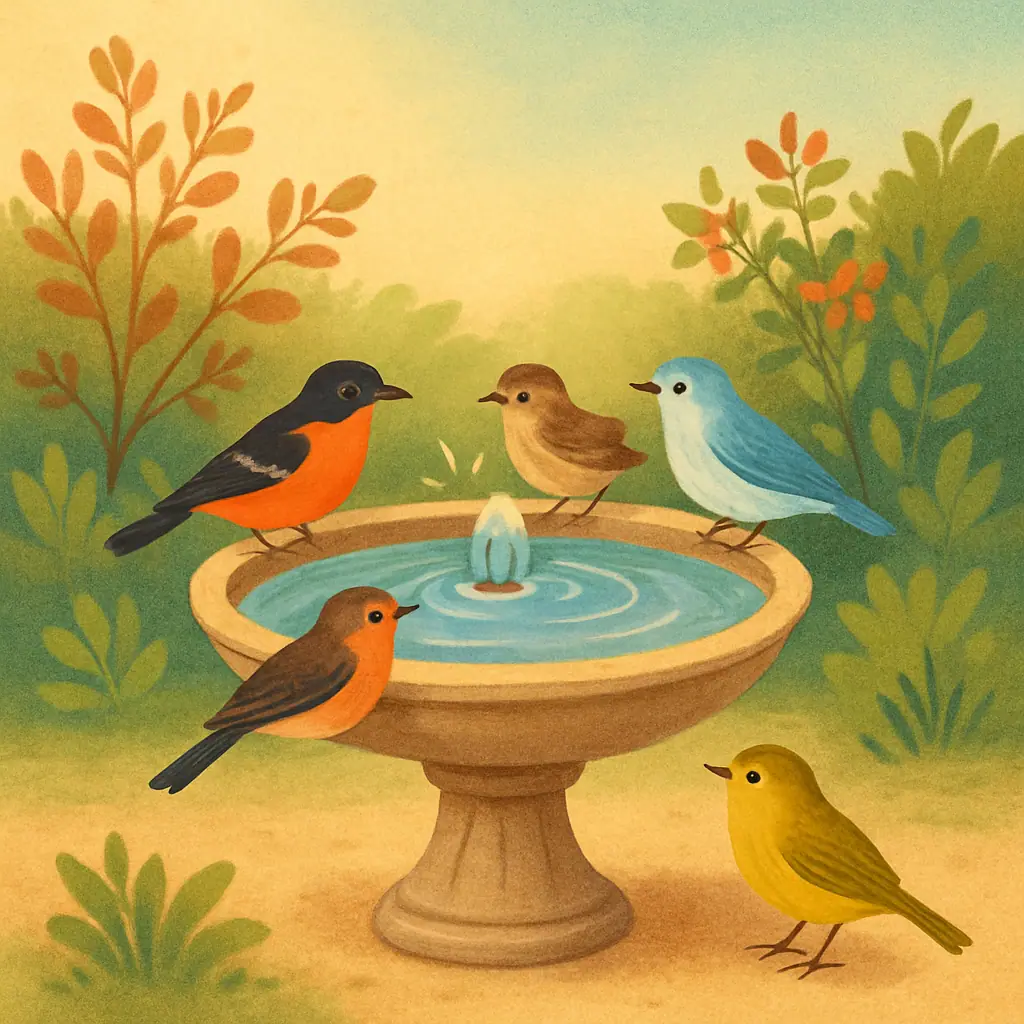
- Check water areas: Empty stale water, rinse the basin, and refill with clean water before busy bird activity.
- Look for glass reflections: Stand outside and see whether windows mirror trees or sky.
- Notice pet patterns: Outdoor cats and loose dogs can change how safe a feeding area feels.
Clean Feeders and Bird Baths Safely
Clean food and water are two of the simplest gifts you can offer birds. Damp seed can spoil, feeder ports can collect residue, and bird baths can become cloudy faster than you expect. A small, steady cleaning habit protects birds better than a large cleanup done only when things look terrible.
Dump old seed rather than topping it off. Rinse baths often, scrub away slick film, and refill with fresh water. Keep a dedicated brush and gloves for bird care so the routine is easy to repeat. If you see sick-looking birds around feeders, take the feeders down, clean them thoroughly, and give the area a rest.
Make Windows and Patio Areas Safer for Birds
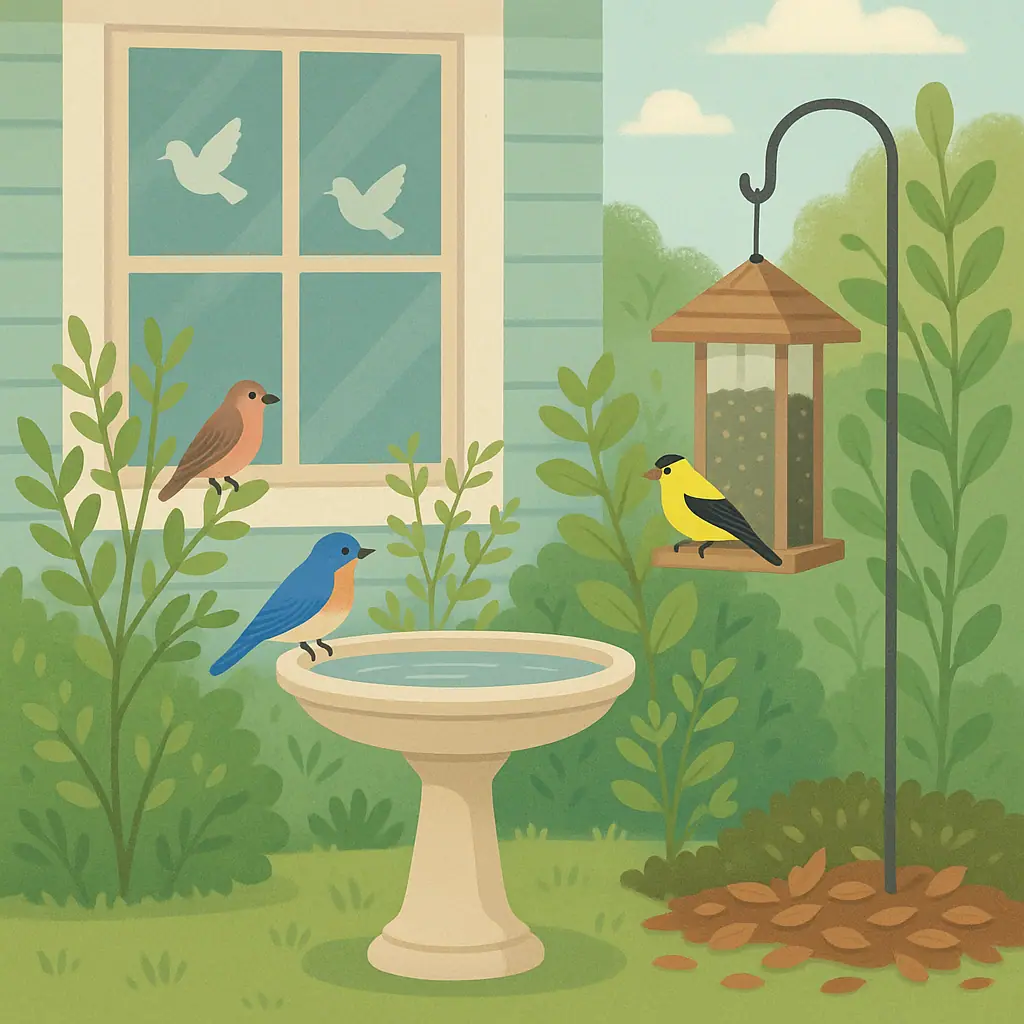
Windows can reflect trees and sky so clearly that birds do not understand there is glass in the way. This matters most near active feeding, bathing, and shelter areas, where birds may startle and fly quickly. Bird safe yard care includes making those glass surfaces easier for birds to see.
Exterior decals, tape patterns, screens, cords, or other visible treatments can help break up reflections. A single small sticker is usually not enough for a large pane, so think in terms of a visible pattern across the glass. Move patio furniture, planters, and feeders so birds are not funneled straight toward untreated windows.
For the broader safety actions behind this advice, I used Cornell's Seven Simple Actions to Help Birds, which specifically covers window safety, indoor cats, native planting, and pesticide reduction.
Keep cats away from bird activity
Cornell's guidance also emphasizes keeping cats indoors or safely contained. Even a well-fed cat can hunt by instinct. If cats use your yard, place feeders and baths where birds have clear escape routes and avoid putting seed directly on the ground near hiding spots.
Reduce sudden disturbance
Birds can flush into hazards when startled. Try not to tap on the window, burst through a nearby door, or do loud yard work right beside a busy feeder. Quiet habits help birds use the space with less panic.
Leave Nesting Birds Undisturbed
Finding a nest can feel exciting, especially if you are new to backyard birdwatching. The safest response is usually to enjoy it from a distance. Do not move the nest, handle eggs, trim the supporting branch, or keep walking close to check progress.
If a nest is in an awkward place, avoid guessing. Local wildlife rehabilitators, state wildlife agencies, or a nearby birding group can help you understand what is legal and safe in your area. Many situations simply require distance, patience, and leaving the adults to do their work.
Add Simple Habitat Help for Spring
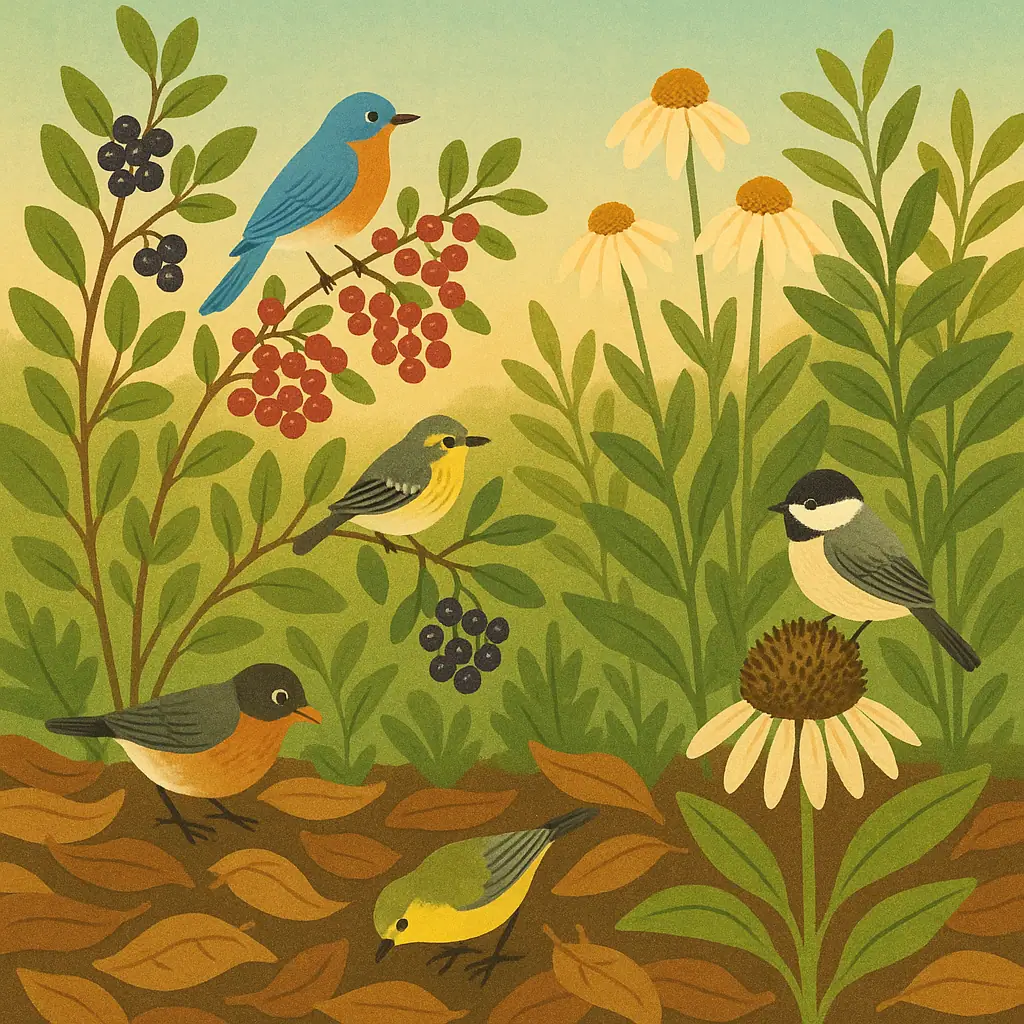
A bird-friendly yard does not need to look wild from fence to fence. Start with a small patch of native plants, a quiet corner, or a modest brush shelter. Native plants can support insects, seeds, fruit, and cover that many birds use naturally.
Leaf litter can also be useful when managed thoughtfully. Instead of clearing every leaf from every corner, leave a small, tidy area under shrubs or along a back edge. Birds may search there for insects and other natural foods. For more ideas, see our guide to what backyard birds eat naturally besides seed.
Use pesticides cautiously and only when truly necessary. A yard with fewer chemical shortcuts can be safer for insects, and insects are part of the natural food web many birds depend on. If you are unsure about a product, read the label carefully and check a trusted local extension or wildlife source before applying it near bird activity.
Pros and Cons of a Gentler Yard Routine
Protects the birds already visiting
Small changes around water, feeders, windows, and shelter reduce common hazards without requiring a complete yard redesign.
Makes birdwatching more rewarding
When birds feel safer, you often get longer, calmer views of natural behavior from your window, porch, or garden path.
Fits a beginner's pace
You can improve one corner at a time, observe the results, and build confidence without feeling rushed.
Some tasks may need patience
Waiting to prune, moving a feeder, or leaving a small leaf patch can feel untidy until you see how birds use the space.
Local details still matter
Plant choices, nesting rules, and chemical guidance can vary by region, so trusted local sources are helpful for specific questions.
A Simple Checklist
Use this quick yard check before a busy weekend of mowing, trimming, planting, or feeder care.
- Are feeders clean? Remove old seed, scrub residue, and refill only when the feeder is dry and fresh.
- Is the bird bath safe? Empty cloudy water, scrub slick surfaces, and refill with clean shallow water.
- Are windows visible to birds? Add exterior markings or screens where glass reflects trees, sky, or feeder activity.
- Are pets controlled? Keep cats indoors or contained, and keep dogs away from active feeding and nesting areas.
- Are shrubs being used? Watch before pruning, especially during nesting season.
- Can birds find cover? Keep or add a little safe shelter through shrubs, evergreens, or a tidy brush corner.
- Can you skip chemicals today? Avoid pesticides when possible, and verify labels and local guidance before using any product.
When to Get Extra Help
Ask for help when a choice affects a nest, an injured bird, a chemical application, or a species you cannot identify confidently. Local wildlife rehabilitators, extension offices, Audubon chapters, and state wildlife agencies can offer guidance that fits your region.
Do not guess with active nests or sick birds. A calm pause is usually better than a rushed rescue attempt. Bird safe yard care is partly about knowing when to leave nature alone and when to ask someone qualified.
Frequently Asked Questions
When should I start preparing my yard for spring birds?
Start before activity becomes busy, but keep it simple. Walk the yard, clean feeders and baths, check windows, and postpone heavy pruning if birds are already using dense shrubs.
Should I clean bird feeders more often in spring?
Yes, regular cleaning is wise because feeders can get busy and seed can spoil in damp weather. Replace wet or clumped seed instead of mixing it with fresh seed.
What should I do if I find a nest?
Observe from a distance and avoid touching, moving, or trimming around it. If the nest seems unsafe or a bird appears injured, contact a qualified local wildlife source before acting.
How can beginners make windows safer for birds?
Start with the windows near feeders, baths, and shrubs. Use exterior patterns, screens, or other visible treatments to break up reflections so birds can recognize the glass.
Final Thoughts
Bird safe yard care is a series of small, kind choices. Clean water, fresh seed, visible windows, careful pruning, contained pets, and a little native cover all tell birds that your yard is a calmer place to visit.
Begin with one five-minute walk around the yard today. Notice what birds are using, fix the most obvious hazard, and let the next improvement come from what you observe. That steady attention is one of the best tools a backyard birdwatcher can have.