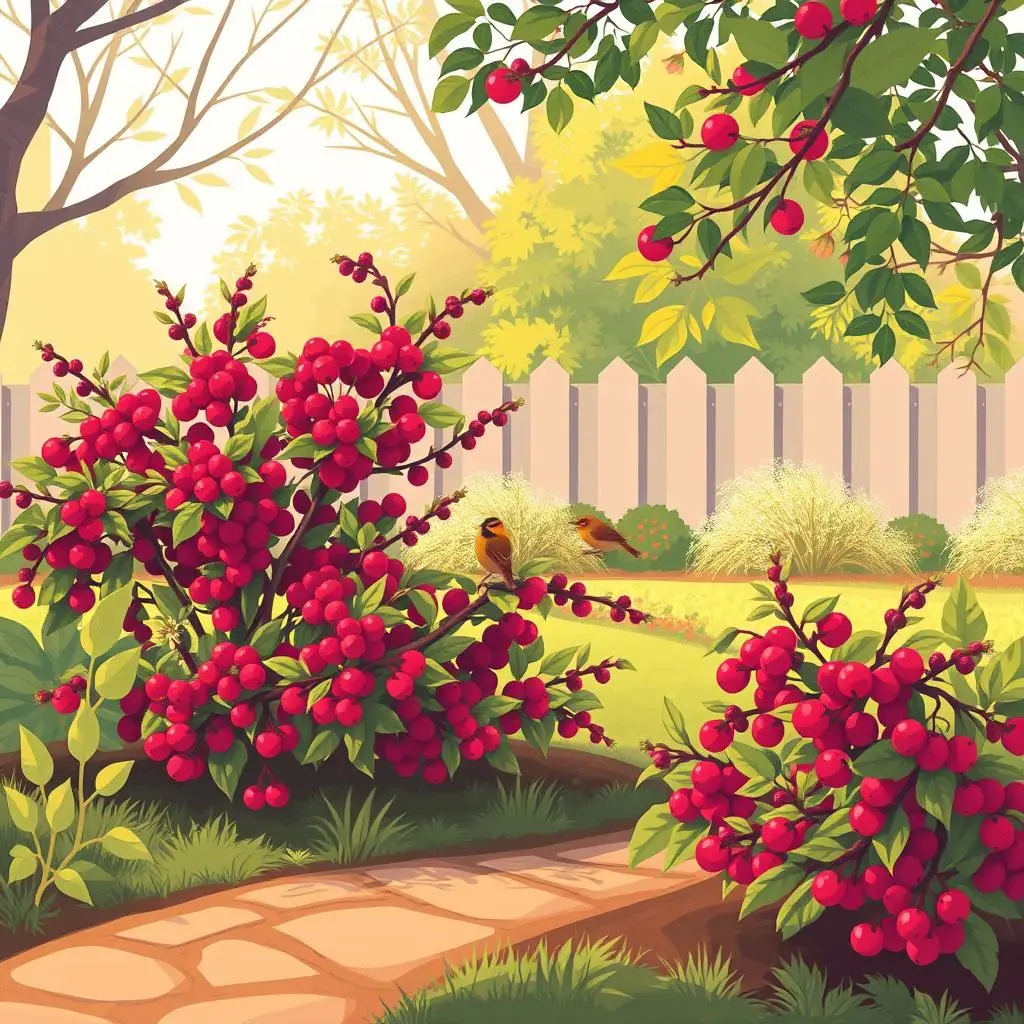
Berry shrubs for birds can turn an ordinary corner of the yard into a small, steady birdwatching station. Instead of depending only on feeders, you give birds something closer to what they already look for: fruit, cover, perches, insects, and safe places to pause.
The best part is that you do not need to redesign the whole yard at once. One well-chosen native shrub near a window, patio, or quiet path can make your birdwatching more natural and more interesting through the seasons.
Why Berry Shrubs for Birds Matter
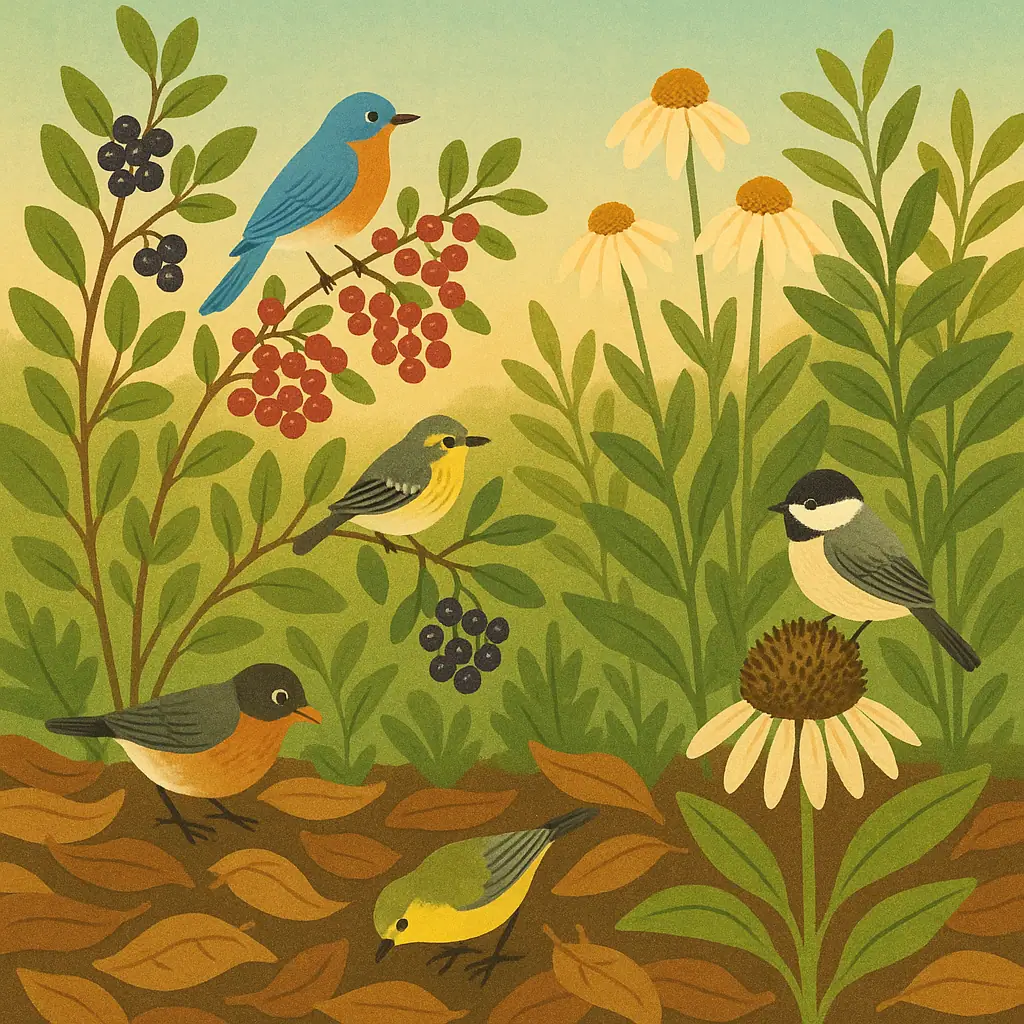
Backyard birds use shrubs in more than one way. Berries are the obvious benefit, but a good shrub also offers branches for perching, leaves for hiding, and a living place where insects gather. That matters because many birds move between food and cover all day.
Audubon's native plants guidance explains that plants native to your area are especially useful because they support local insects, fruits, and habitat relationships birds already recognize. Their overview of native plants for birds is a helpful outside reference before choosing specific shrubs for your region.
Start With Native Shrubs, Not Just Pretty Berries
Garden centers often sell attractive shrubs with colorful fruit, but not every berry is equally useful for local birds. A native shrub is usually the better first question because it has a longer relationship with nearby wildlife.
If you are planning a larger bird-friendly yard, BirdPeep's guide to native plants that birds love by U.S. region can help you think locally instead of copying a plant list from a different climate.
What Makes a Shrub Bird-Friendly?
- Regional fit: choose shrubs known to grow well in your part of the United States.
- Fruit timing: some shrubs feed birds in late summer, while others hold fruit into fall or winter.
- Cover: dense branches help smaller birds feel safer while feeding or waiting their turn.
- Low chemical need: shrubs that thrive without heavy spraying are safer around birds and insects.
- Manageable size: a shrub you can prune and observe comfortably is better than one that becomes a burden.
Beginner-Friendly Berry Shrubs to Consider
The right shrub depends on your region, soil, sun, and available space, so treat this list as a starting conversation with your local extension office, native plant nursery, or garden club. Names can vary by region, and local advice is worth checking before planting.
Common Native Choices
- Serviceberry: a small tree or large shrub in many areas, loved for spring flowers and early fruit that birds often notice quickly.
- Elderberry: a moisture-loving shrub that can produce clusters of dark berries when planted in the right conditions.
- Winterberry holly: a deciduous holly with bright fruit that may persist into colder months; many varieties need male and female plants for berries.
- American beautyberry: known for purple berry clusters in suitable regions, especially where winters are not too harsh.
- Native viburnums: a broad group with flowers, berries, and cover value, but species choice should be matched carefully to your area.
- Chokeberry: a hardy shrub in many regions with berries that can remain available after other foods fade.
As you compare options, remember that birds also eat insects, seeds, nectar, and other natural foods around shrubs. BirdPeep's article on what backyard birds eat naturally is a useful companion because shrubs help support more than fruit alone.
Where to Plant for Easy Birdwatching
For beginners, placement matters almost as much as plant choice. A shrub hidden behind the garage may still help birds, but it will not teach you as much as one you can see from a favorite chair or kitchen window.
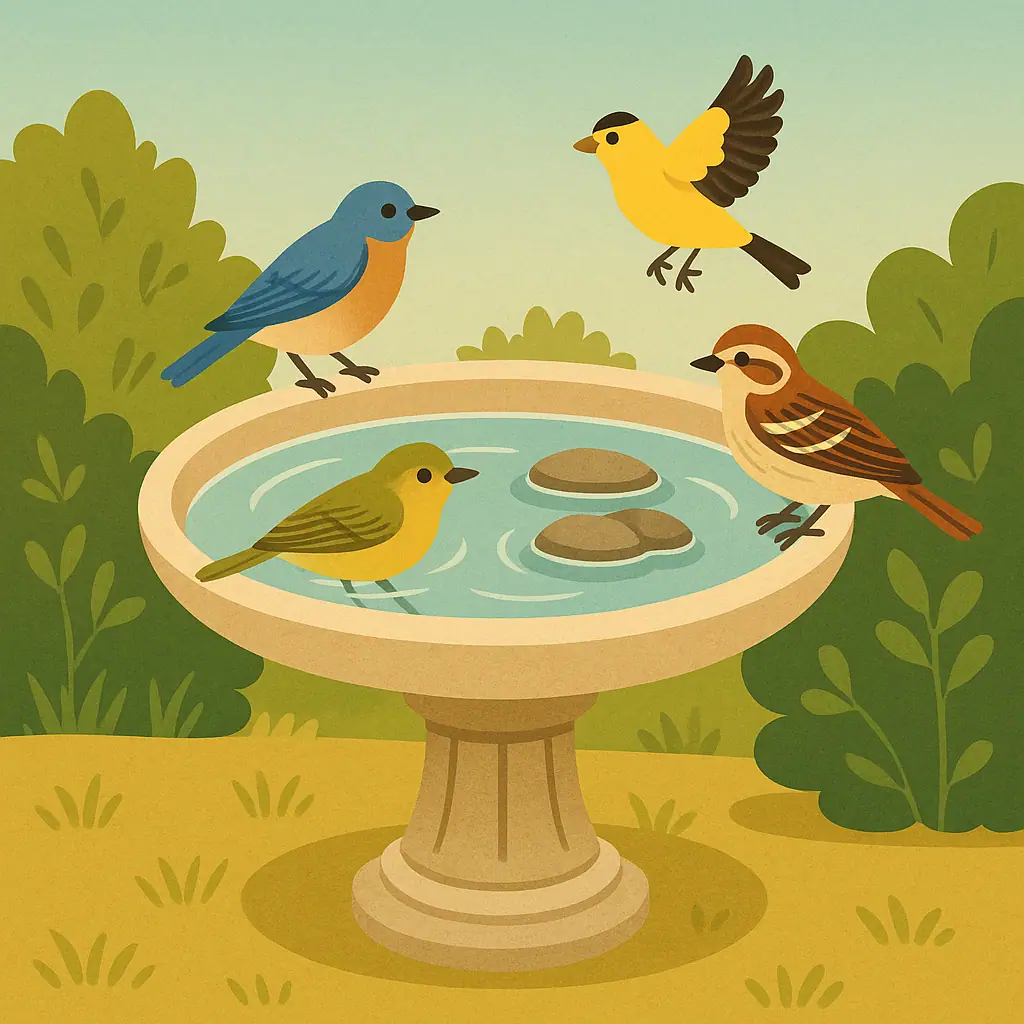
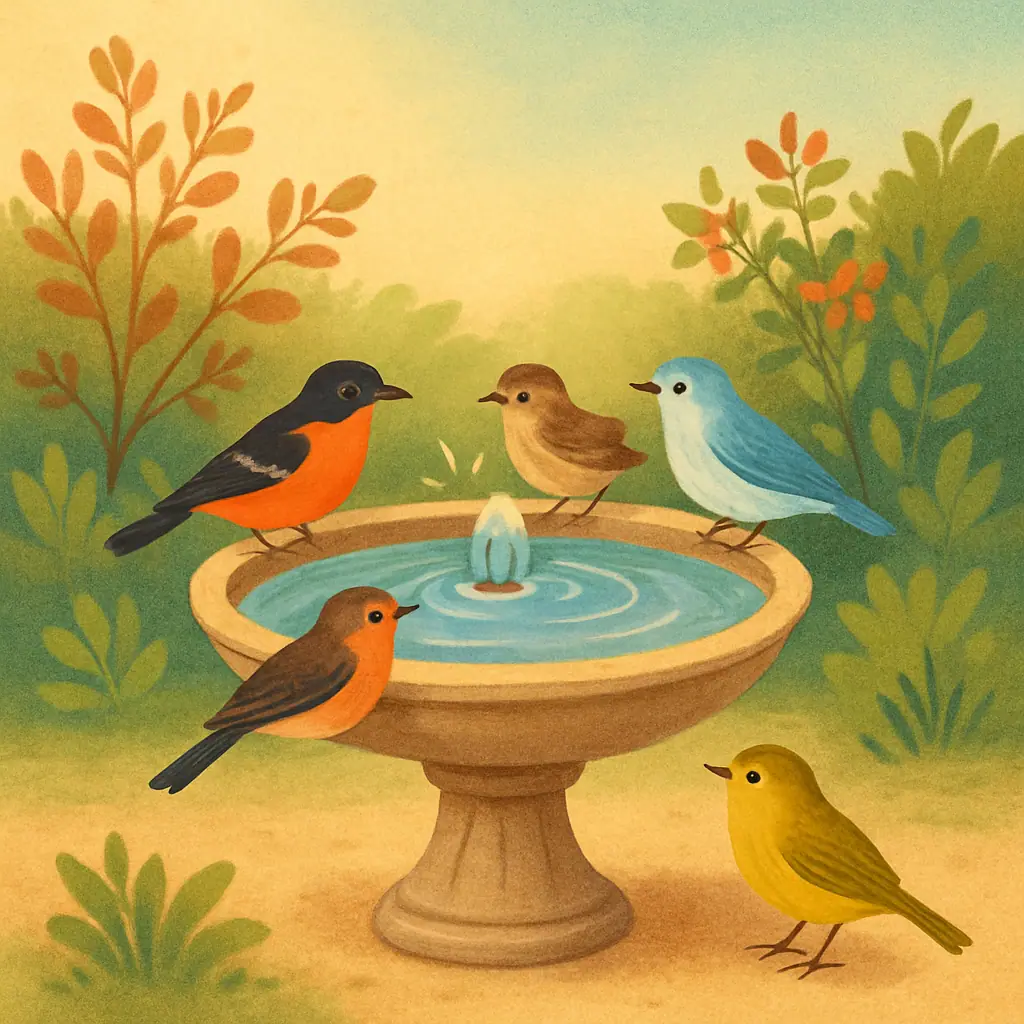
Look for a spot with a calm view, enough sun for the plant, and a little distance from heavy foot traffic. If you already have a bird bath or feeder, do not crowd everything into one tiny space. Birds like nearby cover, but they also need room to watch for danger.
Good Planting Spots
- Near a window, but not pressed against glass: keep viewing comfortable while still thinking about window safety.
- Along a quiet fence line: birds often use edges as travel routes through the yard.
- Near existing native plants: shrubs work well as part of a layered habitat, not as lonely decorations.
- Beside a sitting area: a comfortable bench or patio view encourages slow, patient observation.
- Away from outdoor cats: keep bird-attracting shrubs out of places where predators can hide easily.
How to Choose Without Feeling Overwhelmed
Start by choosing one goal. Do you want more winter fruit, a spring-flowering shrub, a compact patio-friendly plant, or a dense shelter corner? One clear goal makes the nursery aisle much easier.
Then check three practical details: mature size, light needs, and whether the plant needs another shrub nearby to make berries. Winterberry is a good example where pollination details matter, because many hollies need compatible male and female plants.
Care Habits That Keep Shrubs Useful
Once planted, berry shrubs usually help birds best when they are allowed to behave like shrubs. Over-pruning can remove flowers before they become fruit. Heavy pesticide use can reduce the insects many birds need. Raking every leaf away can make the area less lively for ground-feeding birds.
That does not mean your yard has to look messy. It simply means you can leave a few seed heads, keep a softer edge under shrubs, and prune at the right time. For more ideas on year-round habitat, see BirdPeep's guide to creating a four-season bird garden with native plants.
Pros and Cons of Berry Shrubs for Birds
Pros: They provide natural food
Berry shrubs support birds beyond the feeder by offering fruit, insects, perches, and seasonal interest.
Pros: They make watching more rewarding
A shrub near a window can reveal feeding, hiding, flocking, and seasonal behavior you might otherwise miss.
Cons: They require local matching
A shrub that helps birds in one region may be a poor choice in another, so local guidance matters.
Cons: Results take patience
New shrubs may need time to settle, flower, and fruit before bird activity becomes noticeable.
A Simple Berry Shrub Checklist
Use this checklist before planting. It keeps the decision practical and beginner-friendly.
- Is it native to your region? Verify locally rather than relying only on a plant tag.
- Will it fit when mature? Check height and width, not just the small pot size.
- Does it make berries on its own? Some shrubs need a second compatible plant nearby.
- Can you see it comfortably? Place it where it supports both birds and your observation habit.
- Will it need heavy chemicals? Favor resilient shrubs that can thrive with simple care.
- Does it add cover? Dense branches can be just as valuable as fruit.
Frequently Asked Questions
What is the best berry shrub for birds?
There is no single best shrub for every yard. Serviceberry, elderberry, winterberry, native viburnums, chokeberry, and beautyberry can all be useful when matched to the right region and site.
How long until birds notice a new shrub?
Some birds may use it as cover quickly, but fruiting can take longer. Give a new shrub time to root, grow, flower, and become part of the yard's normal pattern.
Should I still keep feeders if I plant berry shrubs?
You can keep feeders if you maintain them well. Shrubs add natural food and shelter, while clean feeders can remain a small supplement.
Are all berries safe for birds?
No. Do not assume every ornamental berry is helpful. Choose regionally appropriate native plants and verify choices with a trusted local source before planting.
Final Thoughts
The best native berry shrubs for backyard birds are the ones that fit your local conditions, your viewing spot, and your care routine. Start with one shrub, watch what changes, and let your yard teach you slowly.
This week, pick one possible planting area and notice how birds already move through it. That small observation may tell you more than a long shopping list.