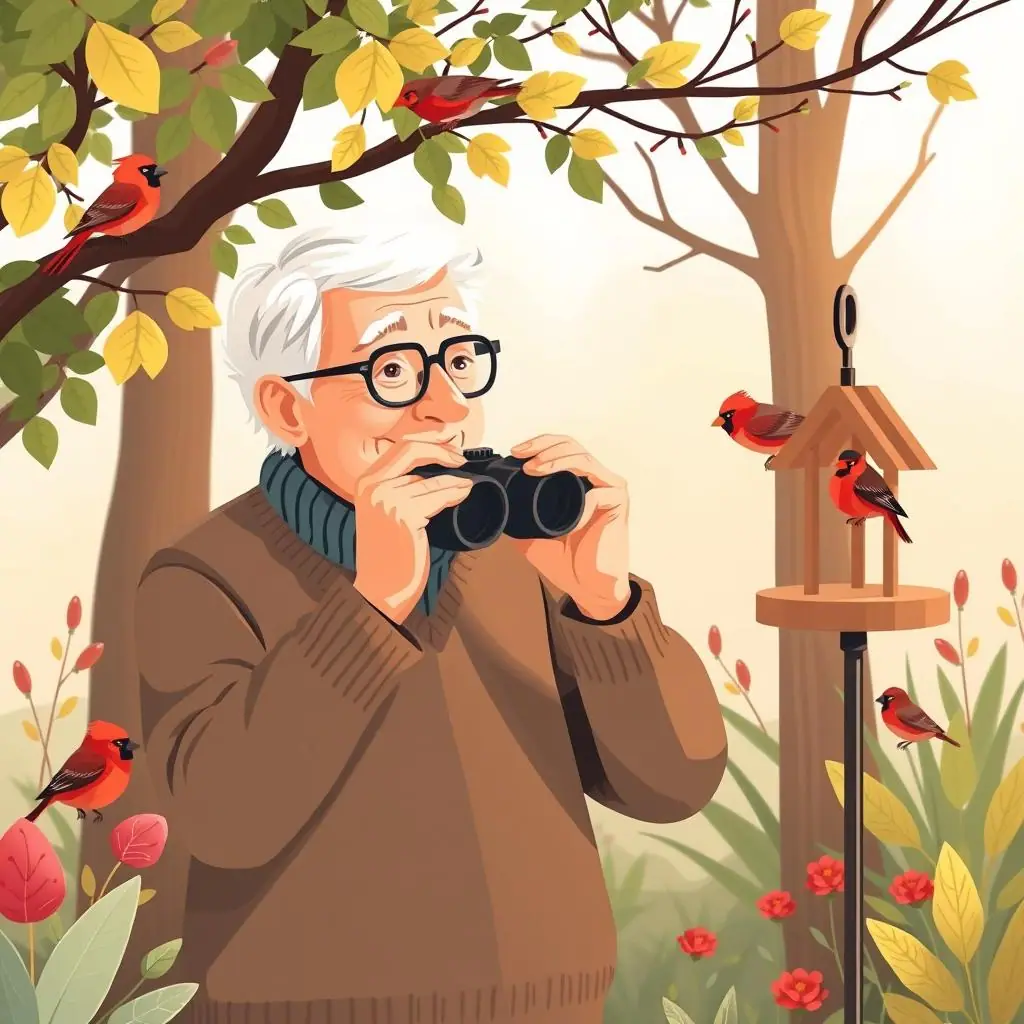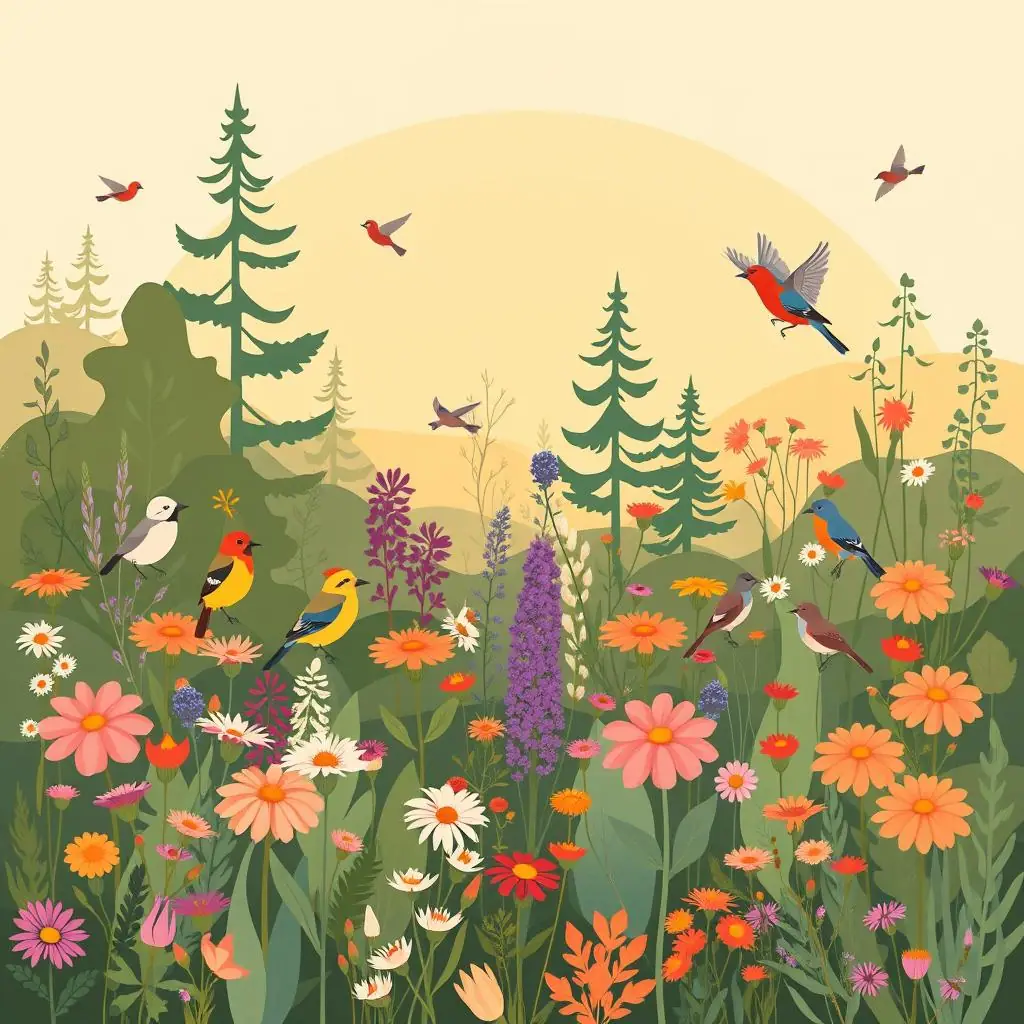
There's something magical about watching a cardinal perch on a branch of serviceberry right outside your window, or seeing a hummingbird visit the native bee balm you planted last spring. When you choose native plants for your backyard, you're not just creating a beautiful garden — you're providing birds with the food, shelter, and nesting materials they've relied on for thousands of years.
Native plants are like a welcome mat for local birds. These plants evolved alongside the birds in your region, creating perfect partnerships. A single native oak tree, for example, can host over 500 species of caterpillars — prime food for baby birds. Meanwhile, that exotic ornamental tree in the nursery might look pretty, but it often provides little to no food for our feathered friends.
Why native plants matter:
- Natural food sources: Seeds, berries, nectar, and insects that birds have evolved to eat
- Seasonal timing: Fruit and seed production aligned with migration and nesting cycles
- Lower maintenance: Plants adapted to your local soil and climate conditions
- Pesticide-free: Healthy ecosystems that don't require harmful chemicals
🌻 Northeast Region (USDA Zones 3-6)
If you're gardening from Maine down to Pennsylvania, you have access to some of the most bird-beloved plants in North America. The northeastern climate supports a wonderful mix of deciduous trees and wildflowers that provide year-round resources for both resident and migrating birds.
🏆 Eastern Redbud — Spring Spectacular
This small tree bursts with pink flowers in early spring, attracting hummingbirds and providing nesting sites for smaller songbirds. The heart-shaped leaves create perfect perching spots.
🫐 Elderberry — Four-Season Winner
White flower clusters in spring attract insects (food for insectivorous birds), while the dark berries in late summer feed over 40 bird species including robins and cedar waxwings.
🌿 Wild Bergamot (Bee Balm) — Hummingbird Magnet
The tubular purple flowers are perfectly shaped for hummingbird beaks. Plant in sunny spots for best nectar production. Goldfinches love the seeds that follow.
Northeast Quick Plant List:
- Trees: Sugar Maple, American Beech, Eastern Red Cedar
- Shrubs: Spicebush, Winterberry Holly, Gray Dogwood
- Flowers: Purple Coneflower, Black-eyed Susan, Wild Columbine
- Grasses: Little Bluestem, Buffalo Grass
🌞 Southeast Region (USDA Zones 6-9)
The southeastern United States offers year-round growing seasons and incredible biodiversity. From the Carolinas down to northern Florida, you can create a bird paradise with plants that bloom and fruit across multiple seasons.
Hummingbird enthusiasts, this is your region! The longer growing season means you can enjoy hummingbird visitors from March through October with the right plant combinations.
⭐ Trumpet Vine — Hummingbird Highway
The orange trumpet-shaped flowers are like hummingbird fast-food restaurants. This vigorous vine provides both nectar and excellent nesting sites, though it does need space to spread.
🔴 Cardinal Flower — Living Jewel
The brilliant red spikes are perfectly designed for hummingbird tongues. Plant near water features or in naturally moist areas of your garden.
🌸 Beautyberry — Purple Paradise
The bright purple berries clustered along the stems are a favorite of mockingbirds, brown thrashers, and cardinals. The berries persist into winter when food is scarce.
Southeast Garden Layers:
- Canopy: Live Oak, Southern Magnolia, Bald Cypress
- Understory: Redbud, Dogwood, American Hornbeam
- Shrub Layer: Firebush, Coontie, Native Azaleas
- Ground Level: Coral Honeysuckle, Wild Ginger, Partridge Pea
🏔️ Midwest Region (USDA Zones 3-6)
The American heartland might seem like endless farmland, but native prairie plants create some of the most productive bird habitats in the country. If you live anywhere from Ohio to the Dakotas, you have access to the plants that once fed massive flocks of prairie birds.
Think of prairie plants as nature's bird feeding stations. Many produce seeds from late summer through winter, providing crucial food when insects are scarce.
🌾 Purple Coneflower — Prairie Gold
The seed heads attract goldfinches, siskins, and chickadees from summer through winter. The flowers provide nectar for hummingbirds and butterflies.
🦋 Blazing Star — Vertical Beauty
The tall purple spikes bloom from bottom to top, extending the nectar season. Seed heads feed sparrows and finches well into winter.
🍎 Serviceberry — Four-Season Star
Early spring flowers for pollinators, summer berries for thrushes and waxwings, fall color for beauty, and winter structure for shelter.
Midwest Prairie Mix:
- Tall Grasses: Big Bluestem, Indiangrass, Prairie Dropseed
- Medium Height: Wild Bergamot, Compass Plant, Rough Blazing Star
- Ground Cover: Wild Strawberry, Prairie Smoke, Pasque Flower
- Woody Plants: Bur Oak, American Hazelnut, Ninebark
🏜️ Southwest Region (USDA Zones 7-10)
Desert gardening for birds requires thinking about water as much as food. In the arid Southwest, from Texas to Arizona, plants that provide both moisture and nutrition are especially valuable. The good news? Many southwestern natives are incredibly drought-tolerant once established.
Hummingbird diversity peaks in the Southwest, with species you won't see anywhere else in the country. Creating a garden with blooming plants from spring through fall can attract multiple hummingbird species to your backyard.
🌵 Prickly Pear Cactus — Desert Diner
The yellow flowers provide nectar, the red fruits feed quail and doves, and the pads offer nesting platforms for cactus wrens and curve-billed thrashers.
🔥 Ocotillo — Desert Beacon
The dramatic red flower clusters at the tips of long stems are visible from great distances, serving as hummingbird rest stops during migration.
🌿 Desert Willow — Oasis Tree
Despite its name, it's not a true willow, but it provides the same benefits: flowers for hummingbirds, seeds for finches, and crucial shade in the desert.
Southwest Water-Wise Plants:
- Trees: Mesquite, Palo Verde, Desert Ironwood
- Shrubs: Fairy Duster, Brittlebush, Chuparosa
- Perennials: Desert Marigold, Ghost Plant, Red Yucca
- Cacti: Barrel Cactus, Cholla, Hedgehog Cactus
🌲 Pacific Northwest (USDA Zones 6-9)
From northern California through Washington, the Pacific Northwest offers a unique combination of rain-loving and drought-tolerant plants. The region's diverse microclimates mean you can often grow plants from multiple zones in the same garden.
Berry production is king in the Pacific Northwest. The region's mild winters and ample rainfall create ideal conditions for shrubs that produce abundant fruit for both resident and migrating birds.
🫐 Oregon Grape — Pacific Gold
The yellow flower clusters bloom early, providing nectar when little else is available. The blue berries feed robins, thrushes, and waxwings throughout summer.
🌸 Red-flowering Currant — Spring Herald
The drooping clusters of pink-red flowers are among the first nectar sources of spring, crucial for early hummingbird arrivals.
🌿 Kinnikinnick — Ground Cover Champion
This low-growing evergreen produces bright red berries that persist through winter, providing crucial food when other sources are scarce.
Pacific Northwest Layers:
- Overstory: Douglas Fir, Western Red Cedar, Big Leaf Maple
- Understory: Vine Maple, Western Serviceberry, Cascara
- Shrubs: Salmonberry, Huckleberry, Snowberry
- Forest Floor: Wild Ginger, Sword Fern, Trillium
🌱 Getting Started With Native Plants
Starting a native bird garden doesn't mean ripping out everything you currently have. You can begin small and gradually add native plants over time. Here's how to approach it without overwhelming yourself or your budget:
Start Small, Think Big
Choose one area of your yard — maybe a corner near a window where you can easily watch birds. Plant three native species: one tree or large shrub, one medium shrub, and one perennial or grass. This creates a mini-ecosystem that birds will discover and use.
Plan for All Seasons
- Spring: Early nectar sources and nesting materials
- Summer: Insects for feeding young birds
- Fall: Seeds and berries for migration fuel
- Winter: Persistent fruits and shelter
Think in Layers
Birds use different levels of vegetation for different needs. Ground-feeding birds like sparrows prefer low shrubs and grasses, while canopy birds like warblers need trees. Create vertical diversity in your plantings.
Lower Maintenance
Adapted to local conditions, requiring less water and fertilizer once established.
Year-Round Interest
Seasonal changes provide visual appeal and wildlife value across all seasons.
Better Bird Health
Provide natural foods that birds have evolved to digest efficiently.
Initial Cost
Native plants from nurseries can be more expensive than common ornamentals.
Establishment Time
May take 2-3 seasons to reach full size and attract maximum bird activity.
Seasonal Dormancy
Some native perennials die back completely in winter, unlike evergreen ornamentals.
Frequently Asked Questions
How long before I see more birds after planting native plants?
You may notice some birds immediately, especially if you plant berry-producing shrubs. However, it typically takes 2-3 growing seasons for plants to mature enough to provide significant food and shelter resources. The bird community will gradually build as word spreads through the local bird network.
Can I mix native plants with my existing ornamental garden?
Absolutely! You don't need to create a purely native landscape. Adding even a few native plants to your existing garden will provide benefits for birds. Focus on replacing non-native plants gradually as they need replacement.
Where can I find true native plants for my specific area?
Contact your local native plant society, university extension office, or search online for "native plants [your county/state]." Many areas have native plant sales in spring and fall. Avoid plants labeled "native" at big box stores without verifying they're native to your specific region.
Do native plants require special soil or care?
Most native plants prefer the soil conditions they evolved in, which means they often require less amendment than exotic plants. However, some may have specific needs. Research each plant's preferences or consult local experts for soil recommendations.
Creating Your Native Plant Action Plan
Ready to transform your backyard into a bird paradise? Start with these concrete steps you can take this week:
- Research: Contact your local extension office or native plant society for a recommended plant list
- Observe: Note which areas of your yard get morning sun, afternoon shade, or stay moist
- Plan: Choose 3-5 native plants that match your growing conditions and bloom/fruit at different times
- Source: Locate nurseries that carry true native plants (not just "native-ish" cultivars)
- Start small: Begin with one sunny corner or border where you can easily observe bird activity
Remember, creating a bird-friendly native plant garden is a journey, not a destination. Each season will bring new discoveries as different birds find and use your plantings. Some of my most treasured birdwatching moments have happened while sitting quietly near the native elderberry bush, watching a parade of different species visit throughout the day.
Your future feathered visitors are waiting for you to roll out the native plant welcome mat. Start planning your bird paradise today, and before you know it, you'll be watching cardinals feast on serviceberries and hummingbirds sip nectar from your very own wild bergamot — all from the comfort of your favorite window.