Autumn can make a garden look as if the season is winding down, but birds often see something very different. Where people notice fading petals and dry stalks, many backyard visitors notice a quiet buffet that keeps offering food long after a feeder would need another scoop of seed.
That is good news if you enjoy a lively yard but do not want another daily task. Leaving selected seed heads standing can support fall and winter bird activity while giving you more to watch from the porch, patio, or kitchen window.
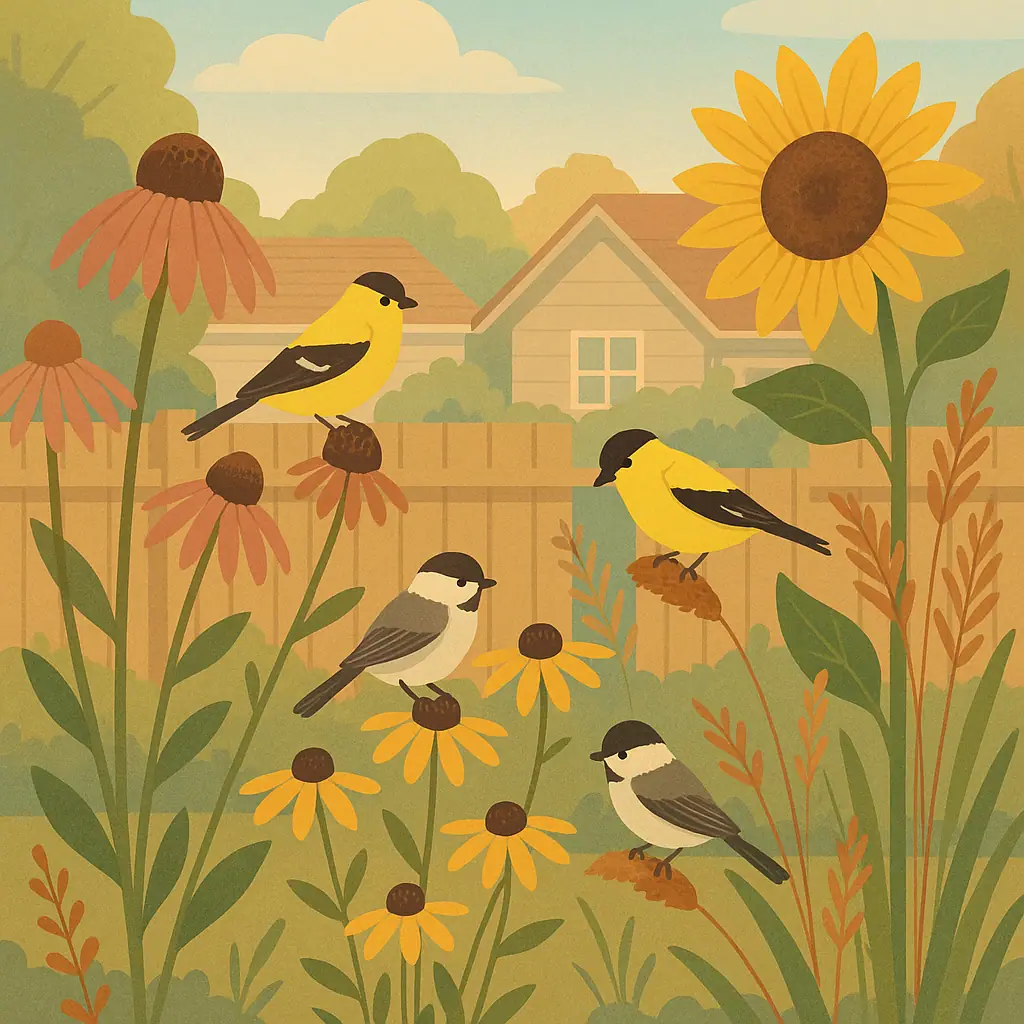
Audubon notes that the seed heads of coneflowers, black-eyed Susans, and native grasses can provide a helpful food cache for birds through the colder months. Instead of cutting everything down at once, it often helps to think in zones: keep walkways neat, but let the most useful stems stand where birds can feed comfortably.
Why Autumn Seed Heads Matter in the First Place
Many beginners assume bird support starts and ends with a feeder. Feeders are helpful, but natural food sources create a calmer, more spread-out pattern of feeding. Birds can perch, peck, pause, and move through the garden more naturally when food is still attached to the plants themselves.
This matters even more in fall because yards begin changing quickly. Flowers dry, insects become less obvious, leaves drop, and birds adjust their routines. A few untouched seed heads can turn that transition into something productive instead of bare.
They extend the feeding season without extra work
If you leave the right stems in place, you are not refilling, hanging, or washing anything new. You are simply allowing a plant to finish its full seasonal job.
They make birdwatching slower and more interesting
Watching a goldfinch cling to a swaying stem or a sparrow pick carefully through a patch of dry seed heads is different from seeing a quick feeder visit. The garden feels more active, and your observations often last longer.
Which Seed Heads Are Most Useful to Leave Standing
You do not need to keep every tired-looking plant in the yard. Focus on sturdy seed heads that stay upright long enough for birds to use them, especially in beds you can still see easily from indoors.
According to Cornell Lab’s Living Bird coverage on native plants, fall flocks of goldfinches feed on the seedheads of black-eyed Susans and common sunflowers. The same article explains that native plants help birds not only with seeds, but also with shelter and year-round habitat value.
- Coneflowers: their raised centers can stay available well into cool weather and are often worth leaving for both food and texture.
- Black-eyed Susans: these dry down neatly and can remain attractive enough for a tidy garden while still feeding birds.
- Sunflowers: if you have room, they can become one of the most obvious late-season feeding stations in the yard.
- Native grasses: seed-bearing grasses bring movement, cover, and extra foraging opportunities that feel more natural than a single feeding point.
If you are already thinking ahead to broader seasonal care, BirdPeep’s guide to fall backyard cleanup that still helps birds pairs well with this approach because it shows how to stay reasonably tidy without stripping the yard all at once.
How to Leave Seed Heads Without Letting the Whole Garden Go Wild
The easiest method is selective rather than all-or-nothing. You are not making a promise to preserve every brown stem until spring. You are choosing the most useful plants and the clearest viewing areas, then letting those sections keep working for birds.
- Pick one or two visible beds first: start where you can enjoy the result from a window or favorite chair.
- Leave the strongest stems standing: choose plants with seed heads that stay upright instead of collapsing into a wet mat.
- Trim around paths and doors: keep the places people use most feeling safe, open, and intentional.
- Remove diseased or mushy plant material: the goal is useful structure, not a soggy mess that makes the bed harder to manage later.
- Reassess after storms: if stems flop onto a walkway or block a view you need, tidy only that section instead of clearing everything.
This kind of selective patience also works nicely with migration watching. Some readers enjoy combining habitat changes with BirdPeep’s article on fall migration and how birds prepare for winter, because the yard often becomes more interesting when seasonal movement and late seed sources overlap.
Keep the view open where you like to watch
If a whole bed looks too dense, thin the front edge and leave the back stems. That keeps the space pleasant for people while still giving birds something useful.
Think in layers, not perfection
A few seed heads near shrubs, a patch of grass left standing, and a cleaner path through the middle often look more deliberate than either a fully shaved garden or a completely untouched one.
What Birds May Do Around Seed Heads in Fall
Seed heads are not only about eating. They also slow birds down in a way that is satisfying to watch. Instead of flying in and out of a feeder in seconds, birds may cling, sway, inspect, and return several times to the same patch.
Audubon’s fall yard guidance explains that native grasses also become good foraging spots after they go to seed. Cornell’s native-plant guidance adds that seedheads from plants such as black-eyed Susans, sunflowers, and certain grasses can support species including goldfinches, sparrows, chickadees, and titmice depending on region and season.
- Goldfinches: often feed delicately from exposed heads and may stay long enough for easy watching.
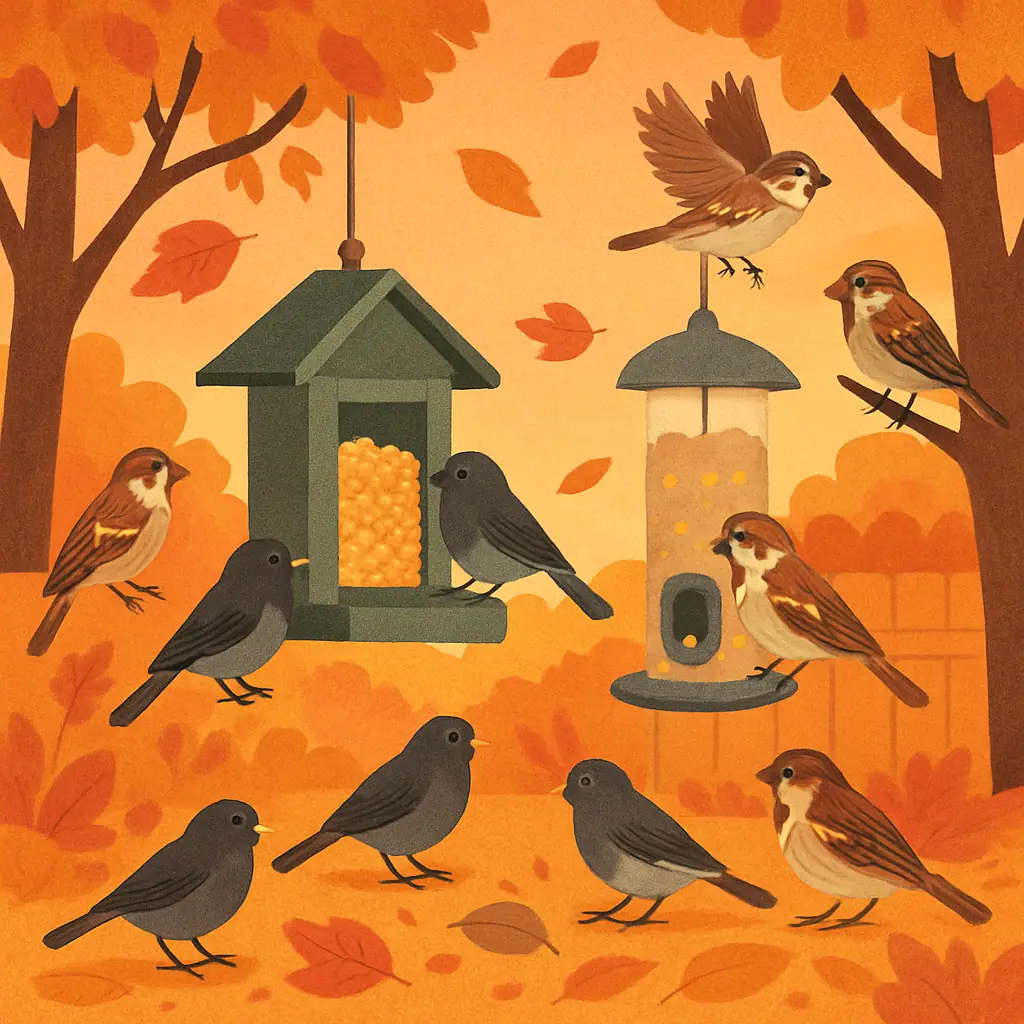
- Sparrows: may work lower in the bed or forage on fallen seeds beneath the plants.
- Chickadees and titmice: can use the area more actively, moving between stems, shrubs, and nearby cover.
- Your local regulars: even if species differ by region, the behavior pattern of pecking, clinging, and checking fallen seed is worth learning.
If you notice birds arriving in short bursts and then disappearing, the activity may be tied to changing weather or flock movement rather than a problem with the plants themselves. That same rhythm shows up in BirdPeep’s look at why new birds suddenly appear during migration stopovers, which can help make those surprise visits feel less mysterious.
Common Mistakes That Make Seed Heads Less Helpful
The most common mistake is cutting everything too early because the garden no longer looks colorful. Birds do not need the bed to look fresh; they need it to remain useful.
Another mistake is leaving plants that are awkwardly placed while removing the ones birds would actually use. A good seed-head bed usually sits near cover, away from constant foot traffic, and where you can keep an eye on it without walking through the whole yard.
Do not confuse selective support with neglect
If a plant is diseased, rotted, or collapsed into a slick pile, cleaning it up is sensible. Leaving seed heads for birds does not mean ignoring every maintenance decision.
Do not rely on seed heads alone for every season
They are a valuable fall and winter feature, but birds still benefit from water, shelter, and a safe layout. Cornell’s broader native-plant guidance is useful because it frames seeds as one part of a larger habitat picture, not the whole picture by themselves.
Pros and Cons of Leaving Seed Heads Standing
Less refilling, more natural feeding
Standing seed heads can keep birds fed in place without turning you into the full-time manager of another feeder.
Better seasonal bird activity
Birds often linger longer around stems and grasses than they do at a quick feeder stop, which makes observation easier and calmer.
A gentler fall routine
You can skip part of the heavy autumn cleanup and still feel that the garden is doing something useful.
The yard may look less formal
If you prefer a perfectly clipped look, even selective seed-head beds can feel untidy at first.
Some plants need light cleanup anyway
Floppy, diseased, or badly placed stems still need trimming, so this is not a zero-maintenance idea.
A Simple Autumn Seed Head Checklist
- Choose one visible bed: begin where you can actually enjoy the birds.
- Leave sturdy heads standing: coneflowers, black-eyed Susans, sunflowers, and seed-bearing grasses are a practical starting point.
- Keep paths clear: trim around doors, steps, and favorite walking routes.
- Leave nearby cover in place: shrubs and layered planting help birds feel safer while feeding.
- Watch before changing more: give the patch a little time so you can see which plants birds actually use.
Frequently Asked Questions
How long should I leave seed heads standing?
Many gardeners leave the most useful seed heads through fall and into winter, then clean up gradually before strong spring growth begins. A simple approach is to keep them until they stop offering food or become more trouble than help.
Will seed heads make my yard look too messy?
They can if every bed is left untouched. Selective areas usually work best: keep paths tidy, leave the most useful plants standing, and think of the look as purposeful rather than neglected.
Do I still need feeders if I leave seed heads?
Maybe, maybe not. Seed heads can reduce how often you need to refill some feeders, but many birdwatchers still like offering both natural food and feeder support, especially as weather gets harsher.
What if I am not sure which plants are worth keeping?
Start with the plants you can easily identify and observe safely, then verify local native-plant suggestions through trusted bird or gardening sources before changing a larger section of the yard.
Final Thoughts
Autumn seed heads can turn an ordinary flower bed into one of the quietest, easiest birdwatching tools in your yard. You do not need to refill them, and you do not need to make the whole garden look wild. You only need to leave a few of the right plants standing long enough for birds to use them.
That is what makes this habit so appealing: it asks for less work, not more. A little restraint with the fall cleanup can reward you with motion, color, and small daily bird moments right when many gardens seem to be going still.