When you are used to a cheerful line of chickadees, cardinals, sparrows, or finches, a suddenly quiet feeder can feel personal. You may wonder if you bought the wrong seed, placed the feeder badly, or somehow scared the birds away.
Most of the time, the answer is gentler than that. Why birds stop coming to feeder stations often has more to do with natural food, weather, predators, fresh seed, or a small change in the yard than with anything you did wrong.
The best first step is not to rush out and change everything. Watch for a few days, check the simple things, and let the yard tell you whether the birds have truly left or simply changed their daily route.
Why Birds Stop Coming to Feeder Stations
Feeder visits rise and fall through the year. Birds are always making small decisions: where food is easiest, where cover feels safest, and where other birds are already feeding. If insects, berries, weed seeds, or tree seeds are suddenly plentiful, your feeder may become the backup instead of the main attraction.
The Cornell Lab's All About Birds explains that yard bird numbers often fluctuate because food supplies, seasonal needs, weather, predators, disease, and habitat changes all affect where birds spend time. Their guide to seeing fewer birds in the yard is a reassuring place to start when the change feels sudden.
Start With the Easy Feeder Checks
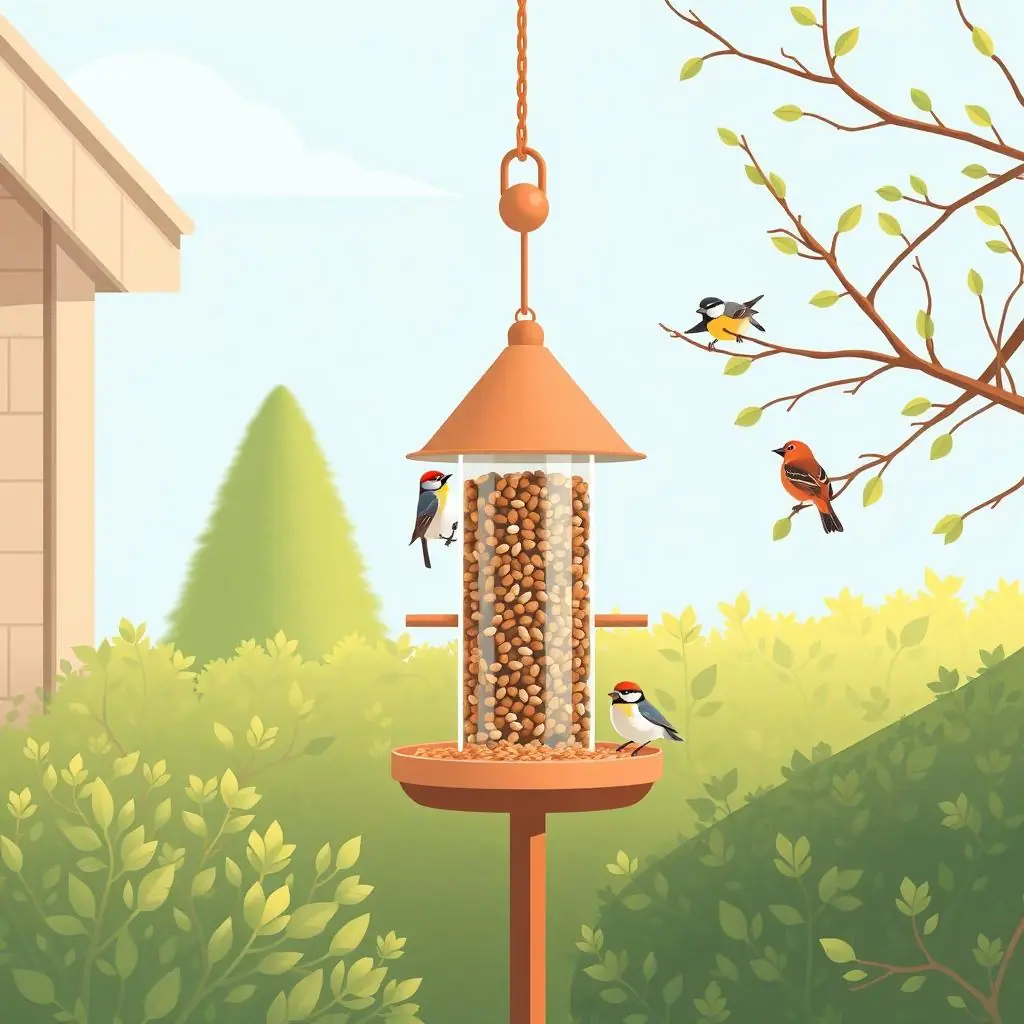
Before changing seed blends or moving poles, look at the feeder itself. Birds may skip a feeder if seed is wet, clumped, dusty, moldy, or sitting under a messy buildup of hulls. A feeder can look full from across the yard while the usable seed inside has gone stale.
Project FeederWatch, a Cornell Lab and Birds Canada project, recommends cleaning seed or suet feeders every week or two and more often during heavy use or wet weather. Its feeding birds guidance is especially useful for keeping feeder care simple and healthy.
If you keep a simple birdwatching notebook, write down when the feeder went quiet, what the weather was like, and whether any food looked damp or old. BirdPeep's guide to using a simple notebook for bird identification works just as well for tracking feeder patterns.
Smell and shake the seed
Fresh seed should smell mild, dry, and natural. If it smells sour, musty, oily in a bad way, or dusty, empty the feeder and start over. Shake the feeder gently, too. If the seed does not move freely, moisture may be holding it together.
Check the ground below
Old hulls, spilled seed, and damp debris under a feeder can make the area less healthy and more attractive to unwanted visitors. Sweep or rake the feeding spot lightly, especially after rainy weather.
Look for Natural Food and Seasonal Changes
One of the happiest reasons birds disappear from your feeder is that the rest of the yard is serving a better meal. In late summer and fall, many birds find seeds, berries, and insects in shrubs, trees, weeds, and garden edges. During nesting season, some birds may focus more on insects for young birds than on dry seed.
That does not mean your feeder has failed. It means the birds are still doing what birds do: following the food. If they still visit the yard, call from trees, or move through shrubs, your feeder may simply be less important for the moment.
- Late summer and fall: Natural seeds and berries can pull birds away from feeders for days at a time.
- Spring nesting season: Parent birds may spend more time gathering insects and staying near nest areas.
- Warm mild stretches: Birds may spread out because food is easier to find across the neighborhood.
- Cold snaps: Birds may return quickly when natural food becomes harder to reach.
Consider Predators, Weather, and Yard Disturbance
A hawk passing through, a cat resting near shrubs, loud construction, a new dog next door, or a stormy weather pattern can change feeder traffic quickly. Birds do not need a dramatic event to pause. If the yard suddenly feels exposed, they may feed elsewhere until it feels safe again.
After checking safety, return to quiet watching. If you are building a short daily habit, BirdPeep's 10-minute daily birdwatching routine can help you notice whether birds are gone from the yard or only skipping the feeder.
Watch the cover nearby
Many small birds prefer a feeder with shrubs, trees, or brushy cover close enough for quick escape. If a branch was trimmed, a shrub was removed, or furniture was moved, the feeder may feel more open than it did last week.
Notice alarm behavior
If birds call sharply, freeze in place, or vanish all at once, look for a predator before assuming the food is wrong. A Cooper's Hawk, neighborhood cat, or even repeated human traffic can make birds pause for a while.
How to Respond Step by Step
When birds disappear from a feeder for a few days, the goal is to make one small, sensible check at a time. Changing too many things at once makes it harder to know what helped.
- Empty questionable seed: If the food is damp, clumped, stale, or moldy, discard it instead of topping it off.
- Clean the feeder: Wash and dry the feeder before refilling, especially after rain or heavy use.
- Refresh with a small amount: Put out less seed than usual until birds return, so food stays fresh.
- Scan for danger: Look for cats, hawks, exposed placement, or window reflection risks near the feeding area.
- Watch at the usual times: Check morning and late afternoon before deciding the feeder is being ignored all day.
- Wait a few days: If the yard is otherwise healthy and safe, normal feeder traffic often returns on its own.
Pros and Cons of Waiting Before Changing Everything
You learn the real pattern
Waiting a little helps you separate a normal quiet spell from a true feeder problem.
You avoid wasting seed
Small refills and fresh food prevent old seed from sitting untouched during slow periods.
You disturb birds less
Calm observation keeps the yard predictable instead of turning every quiet day into a major rearrangement.
It can feel worrying
A silent feeder is disappointing when bird visits are part of your morning routine.
Some issues need action
Moldy seed, sick birds, nearby cats, or dirty feeders should be handled promptly instead of ignored.
A Simple Checklist for a Quiet Feeder
Use this short checklist before you decide the birds have abandoned your yard.
- Seed: Is it dry, loose, fresh-smelling, and free of mold?
- Feeder: Is it clean enough that birds are not standing on old residue?
- Ground: Have you cleared old hulls and damp seed below?
- Cover: Is there a safe shrub, tree, or perch nearby?
- Predators: Have you seen a cat, hawk, or repeated disturbance close to the feeder?
- Season: Are berries, seeds, insects, or migration changing where birds feed?
- Timing: Have you checked at the normal busy times, not just one quiet hour?
Frequently Asked Questions
How long is it normal for birds to stay away from a feeder?
A few quiet days can be normal, especially during seasonal food changes, storms, predator visits, or mild weather. Keep the feeder clean and fresh, then watch for patterns before making big changes.
Should I change seed right away if birds stop coming?
First check whether the current seed is fresh and dry. If it is stale, damp, or moldy, replace it. If it is fine, wait a little before switching blends so you can see whether the quiet spell passes.
Can a hawk make all the feeder birds disappear?
Yes, a hawk or other predator can make birds avoid a feeder for a while. The birds may stay hidden nearby or feed somewhere safer until the area feels calm again.
What if I see sick birds at the feeder?
Take the feeder down, discard old seed, clean thoroughly, and give birds time to disperse. Sick-looking birds are a sign to reduce crowding and keep feeding surfaces cleaner.
Final Thoughts
A quiet feeder can feel like a mystery, but it is often just a small shift in the daily life of your yard. Birds follow food, safety, weather, and habit. Some days your feeder is the favorite stop; other days it is only one option among many.
Start with fresh seed, a clean feeder, a safe location, and a few calm minutes of watching. If you keep noticing what changed, you will usually learn more from the quiet days than from the busy ones.