Song sparrow identification is one of the friendliest skills a backyard beginner can learn. This little brown bird may not look flashy at first, but once you notice its streaky chest, rounded tail, and cheerful song, it begins to stand out from the busy background of the yard.
Many beginners feel that all sparrows look alike. That is understandable. Sparrows are small, quick, brownish, and often tucked near shrubs or grass. The trick is to slow down and look for a short list of clues instead of trying to memorize every feather at once.
A song sparrow is a good teacher because it offers several helpful hints: bold breast streaks, a possible dark spot in the middle of the chest, a warm brown-and-gray face, low brushy habits, and a song that often comes from an open perch.
Why Song Sparrow Identification Matters
Learning one common sparrow well makes the rest of sparrow watching less intimidating. Once you can recognize a song sparrow, you have a useful comparison bird for other streaky visitors that appear near feeders, garden edges, wet areas, and weedy corners.
Cornell Lab's All About Birds describes Song Sparrows as streaky brown birds found in many open habitats, including backyards, marsh edges, fields, and forest edges. Its Song Sparrow identification guide is a helpful verified reference for field marks, behavior, and habitat.
Start With the Streaky Chest
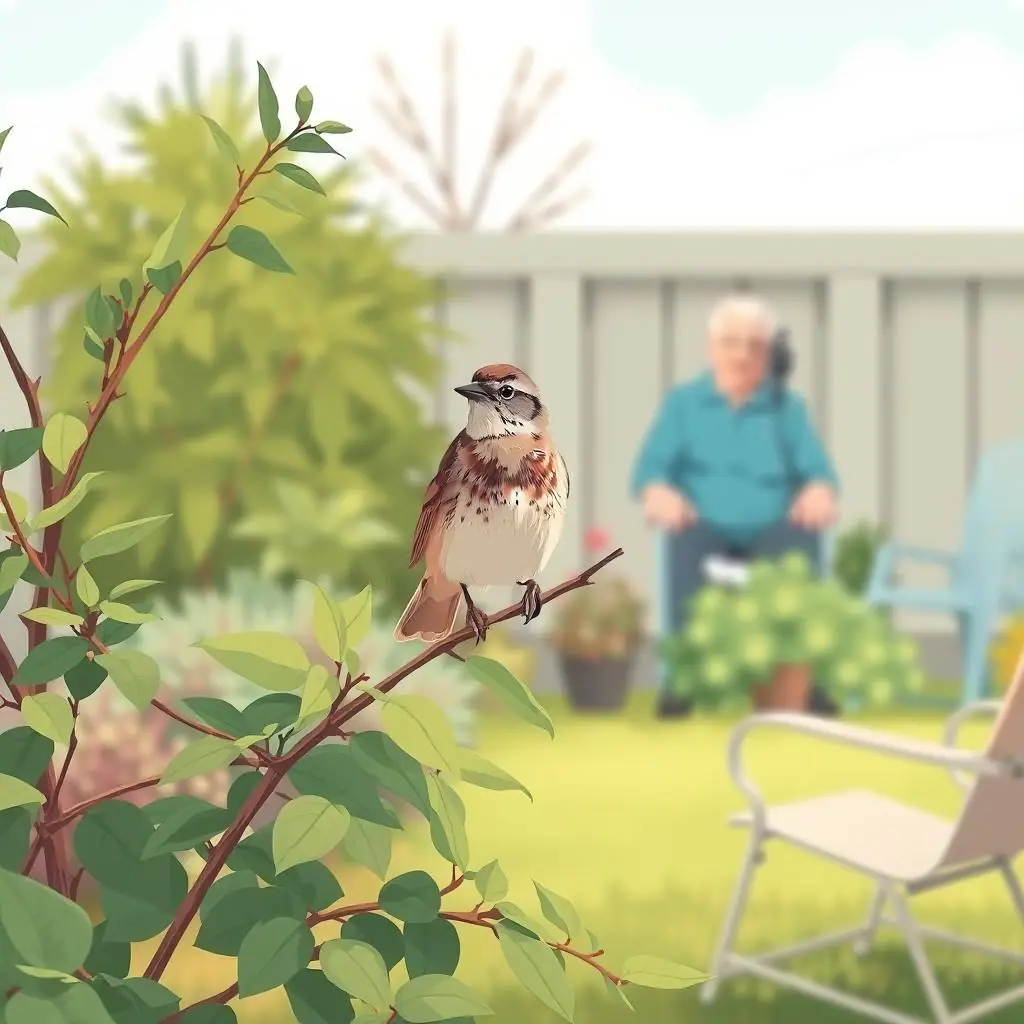
The first useful clue is the breast. Song Sparrows usually show heavy brown streaking on a pale chest and sides. On many birds, those streaks gather into a darker central spot, almost like the marks have met in the middle.
That central spot is helpful, but it is not a perfect rule. Light, posture, worn feathers, and regional variation can make it easier or harder to see. Think of it as one clue in a cluster, not the whole answer.
Look below the throat
When the bird faces you, scan the throat and breast. A plain, unstreaked chest points away from Song Sparrow. A streaky chest with strong marks along the sides keeps Song Sparrow on your short list.
Notice the face pattern
Song Sparrows often show a warm brown cap and eyeline with softer gray around the face. You do not need to name every stripe. Just notice whether the face looks patterned instead of plain.
Watch Where the Bird Spends Its Time
Song Sparrows often stay low, moving through shrubs, garden edges, grasses, brush piles, fence lines, and wet corners. They may hop on open ground for a moment, then slip back into cover. That low, brushy habit is part of the identification picture.
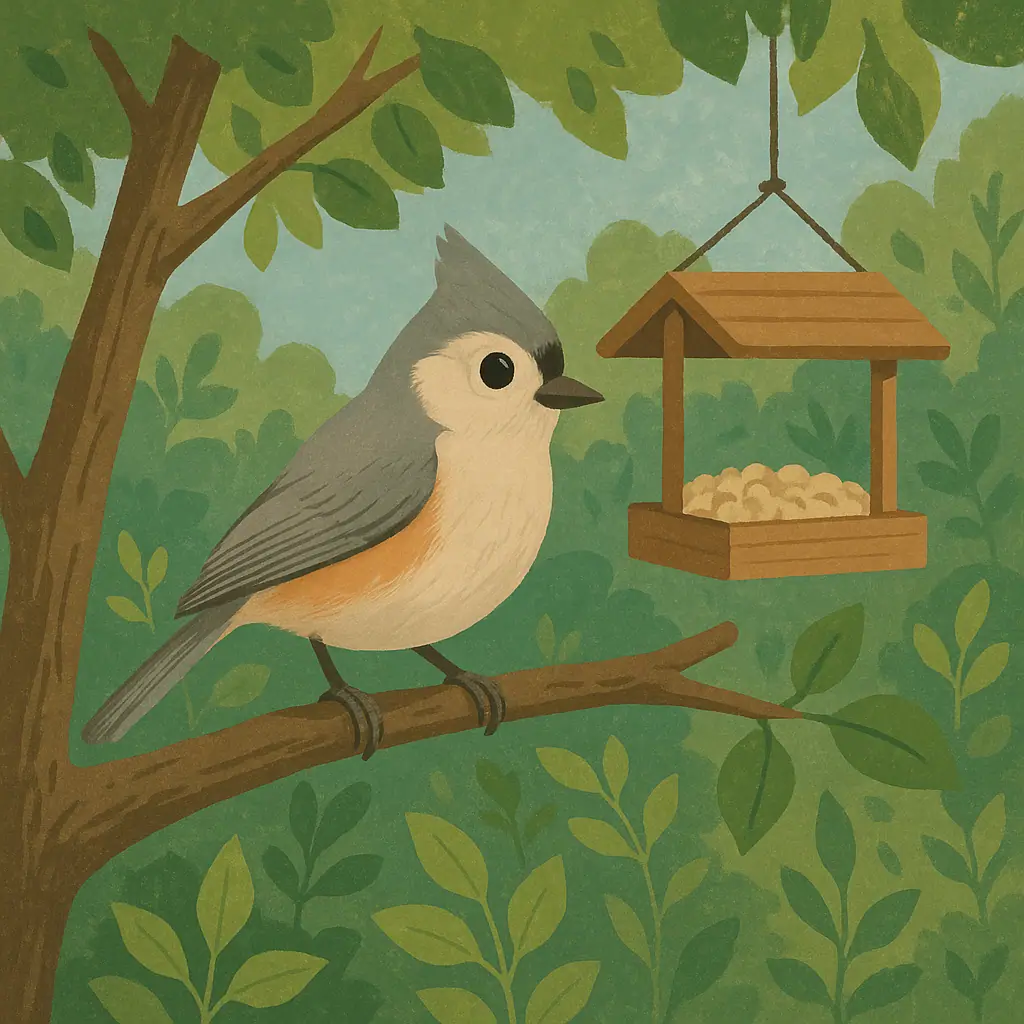
If you have been learning other familiar backyard birds, compare the Song Sparrow's behavior with more upright or obvious birds. A Tufted Titmouse may move boldly through branches; BirdPeep's guide to the Tufted Titmouse shows a very different shape and attitude.
After that comparison, return to the sparrow and watch its tail. Song Sparrows often make short, fluttery flights and may pump the tail downward as they move. You may notice this behavior before you get a perfect look at the chest.
- Low cover: Check shrubs, weedy borders, brushy corners, and damp edges before scanning high tree branches.
- Short flights: Watch for quick hops and short movements rather than long, direct flights across the whole yard.
- Ground feeding: Look near leaf litter, spilled seed, grass, and garden edges where small birds search for food.
- Return visits: A Song Sparrow may disappear into cover and then pop back to the same general spot.
Listen for the Little Singer
The name is a good reminder: Song Sparrows sing. A male may perch on a shrub, low tree, fence, or other exposed spot and deliver a bright, varied song. For a beginner, the exact musical pattern matters less than the habit of a streaky sparrow singing from a visible low perch.
Sound can feel difficult at first, so pair it with sight. If you hear a lively song from a brushy edge, look for the singer and then check the chest, face, tail, and habitat. Over time, the sound and shape begin to connect.
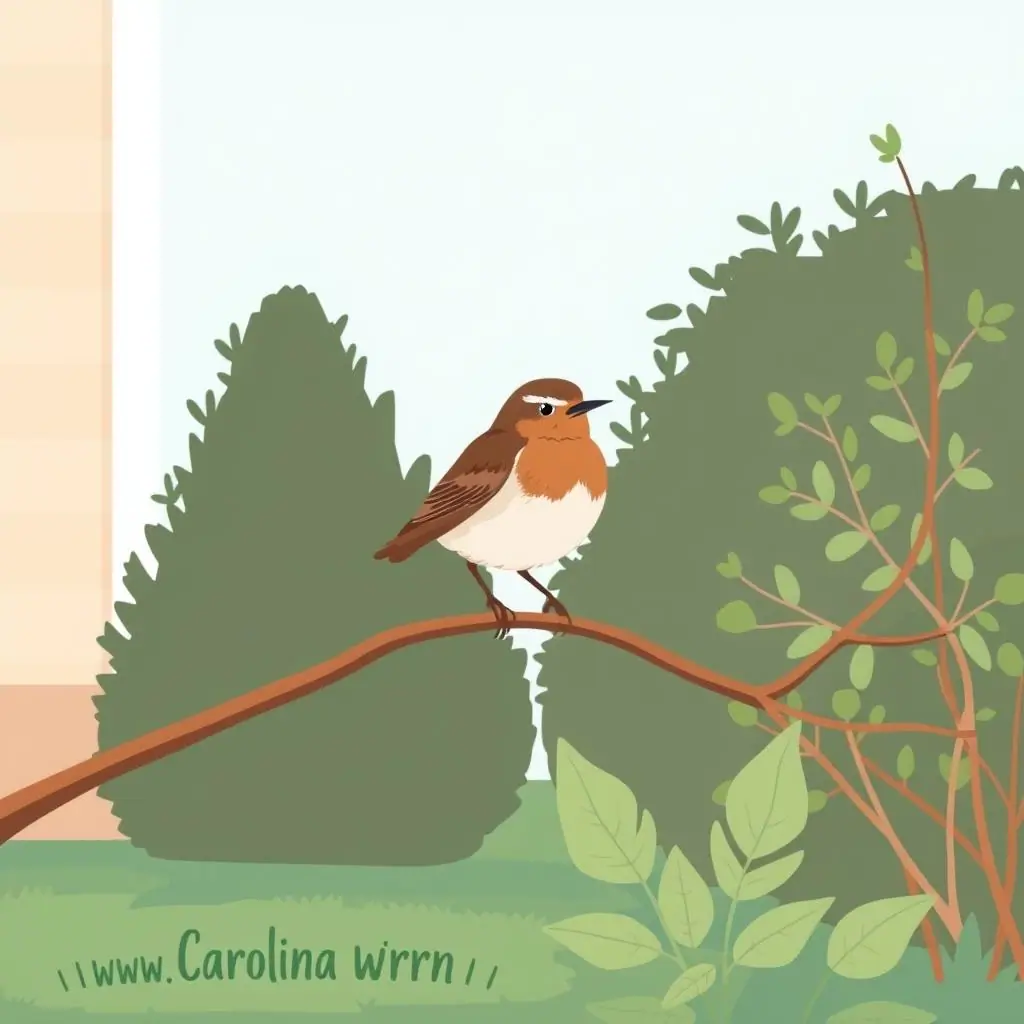
For another backyard bird where sound is a major clue, BirdPeep's guide to the Carolina Wren can help you practice the same patient habit: hear first, then confirm with shape and behavior.
Use a notebook if sound feels slippery
Write down simple words such as "bright song from shrub," "streaky chest," and "tail dipped while moving." You are not trying to write a scientific description. You are building your own memory trail.
How Song Sparrows Differ From Other Brown Birds
The most reassuring truth is that you do not need to identify every brown bird instantly. Song sparrow identification improves when you compare a few broad patterns: streaky or plain chest, low or high behavior, strong or soft facial markings, and whether the bird sings from brushy cover.
The Audubon Field Guide notes that Song Sparrows have a fairly long tail, a striped face, and chest streaks that often come together into a central blotch. Its Song Sparrow field guide is another useful cross-check when you want a second trusted reference.
Brown Thrashers, for example, are also streaky below, but they are much larger, longer-tailed, and more reddish brown. If a bigger bird is skulking in shrubs and singing richly, BirdPeep's Brown Thrasher guide gives you another useful comparison.
House Finches, female Red-winged Blackbirds, young birds, and other sparrows can all cause confusion. That is normal. Use Song Sparrow as your practice bird, but leave room for "I am not sure yet" when the view is brief.
Pros and Cons of Learning Song Sparrow First
It is common and approachable
Many readers can find Song Sparrows near yards, parks, wet edges, fields, or brushy paths, which gives beginners repeated practice.
The clues work together
Streaky chest, low cover, short flights, tail movement, and song create a useful cluster of field marks.
It builds confidence with sparrows
Once one sparrow feels familiar, other small brown birds become less overwhelming.
Views can be brief
Song Sparrows often stay near cover, so you may only get a few seconds before the bird ducks away.
Regional variation can confuse beginners
Some Song Sparrows look darker, paler, or streakier depending on region, so one photo may not represent every bird.
A Simple Song Sparrow Identification Checklist
Use this checklist the next time a streaky little bird appears in the yard, along a path, or near a brushy park edge.
- Chest: Is the underside pale with strong brown streaks?
- Central spot: Do the breast streaks seem to gather into a darker middle spot?
- Face: Does the head show warm brown and soft gray patterning rather than one plain color?
- Habitat: Is the bird staying low in shrubs, grasses, garden edges, or damp cover?
- Movement: Are flights short, with quick returns to cover?
- Sound: Is a small streaky bird singing from a shrub, fence, or low tree?
- Patience: Can you wait for a second view before deciding?
Frequently Asked Questions
What is the easiest Song Sparrow field mark?
The streaky chest is usually the best starting point. Many Song Sparrows also show a darker central spot where the breast streaks gather, but use that with habitat, face pattern, and behavior.
Do Song Sparrows come to backyard feeders?
They can visit yards and feeder areas, especially near cover or spilled seed, but they often spend time low in shrubs, grasses, and brushy edges rather than sitting boldly on a feeder all day.
Why do Song Sparrows look different in different photos?
Song Sparrows vary across North America, and lighting, season, posture, and feather wear can change how dark or streaky they appear. Focus on several clues together instead of one exact photo match.
How can I practice identifying Song Sparrows?
Spend a few quiet minutes near brushy edges, listen for singing, and write down chest streaks, face pattern, tail movement, and habitat. Repeated short observations teach more than one rushed look.
Final Thoughts
Song sparrow identification is a gentle doorway into the world of small brown birds. Instead of seeing "just another sparrow," you begin to notice a singer with a streaky chest, a patterned face, and a habit of slipping through low cover.
The next time you hear a bright song from a shrub or see a brown bird hopping near the garden edge, pause for a second look. The little singer may already be giving you all the clues you need.