
Feeding birds in summer can feel a little confusing. The yard is full of insects, berries, seeds, and nesting activity, yet familiar birds may still visit the feeder every morning as if they are stopping by an old friend’s porch.
The gentle answer is this: you can feed birds in summer, but summer feeding asks for more attention to cleanliness, heat, and natural food. A small, well-kept feeder is helpful and enjoyable. A neglected feeder in humid weather can become a problem quickly.
Why Feeding Birds in Summer Matters
Summer is not the same as winter. Birds often have more natural food available, including insects for nestlings, ripening berries, flower seeds, and leafy places to forage. That means a feeder should be treated as a supplement, not the whole meal.
Audubon’s guide to keeping bird feeders disease-free is a useful outside reference because it explains why cleaning, dry food, and attention around feeders matter. Their guidance is a good reminder that feeding is a responsibility, not just a pleasant habit.
Start With What Birds Already Find Naturally
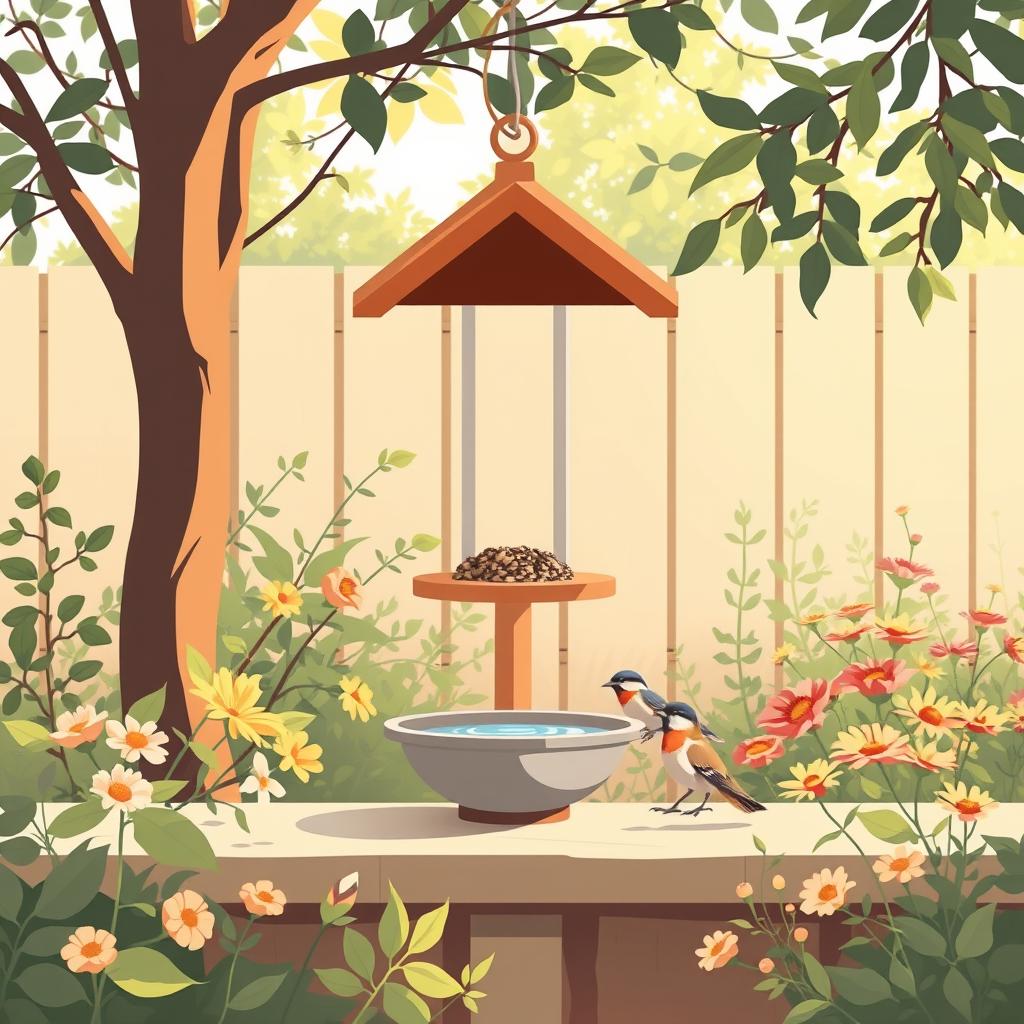
Before adding more seed, look at what your yard already offers. Many summer birds are busy collecting insects, visiting flowers, searching leaf litter, or moving between shrubs. Watching that natural behavior is part of the pleasure of the season.
If you want to understand those natural food sources better, BirdPeep’s guide to what backyard birds eat naturally explains insects, berries, seeds, nectar, and small yard features in beginner-friendly terms.
Natural Summer Foods to Notice
- Insects: many parent birds rely heavily on insects when feeding young birds.
- Berries: native shrubs and vines can draw fruit-loving birds without needing a feeder refill.
- Flower seeds: seed heads from coneflowers, sunflowers, and grasses can become quiet feeding stations.
- Nectar: hummingbirds and some orioles may visit flowers as well as clean nectar feeders.
- Leaf litter: small birds often search under leaves for tiny insects and other food.
When Summer Feeding Is Helpful
Summer feeding can be helpful when it is clean, moderate, and matched to the birds in your area. A feeder near safe cover can give you steady viewing while giving birds an easy stop between natural foods.
Black oil sunflower seed is a simple choice for many seed-eating birds. Nyjer can attract goldfinches when kept dry. Hummingbird nectar can be rewarding, but it spoils quickly in heat and must be changed often. Suet can melt or become rancid in hot weather, so many beginners are better off skipping it during warm spells.
Good Reasons to Keep a Feeder Up
- You can clean it regularly: summer feeding works best when cleaning is part of the routine.
- The seed stays dry: wet seed can spoil, clump, or grow mold.
- You enjoy close observation: a feeder can help beginners learn posture, shape, and behavior.
- You offer small amounts: less seed means less waste and less stale food.
- You watch for illness: pausing quickly when birds look sick helps protect the flock.
How to Feed Birds in Summer Step by Step
Keep the routine simple enough that you can repeat it without strain. Summer bird feeding should feel calm, not like a chore you dread.
- Choose one easy-clean feeder: pick a feeder that opens fully and can be scrubbed without awkward tools.
- Fill it lightly: add only enough seed for a day or two until you know how fast birds eat it.
- Check it each morning: look for wet seed, clumps, insects, droppings, or sour smells.
- Clean on a schedule: wash feeders more often in humid or hot weather, and always dry them before refilling.
- Rake or sweep below: old hulls and spilled food can collect on the ground and should not sit for long.
- Pause when needed: if you see sick birds, spoiled food, or local wildlife alerts, take feeders down and clean thoroughly.
Water deserves the same attention. A shallow bird bath may be more valuable than extra seed in summer, but it needs fresh water and a quick scrub. For easy equipment choices, the BirdPeep article on easy-clean bird baths for seniors can help you pick a basin that is safer to lift and refresh.
Common Summer Feeding Mistakes to Avoid
The most common mistake is trying to do too much. Five feeders, a bird bath, fruit, suet, and nectar may sound generous, but each item needs care. It is kinder to maintain one or two things well.
Another mistake is forgetting that natural habitat is feeding, too. Native plants can provide food and shelter while reducing the pressure to refill feeders constantly. If you are planning plantings, BirdPeep’s guide to native plants that birds love by U.S. region is a useful companion to feeder care.
Pros and Cons of Feeding Birds in Summer
Pros: It keeps birds easy to observe
A clean feeder brings common visitors into view, helping beginners learn shapes, songs, and behavior.
Pros: It can supplement natural food
Small amounts of suitable food can support birds without replacing insects, berries, and seeds in the yard.
Cons: Heat raises the cleaning standard
Warm, wet, or humid weather can spoil food faster and makes regular cleaning more important.
Cons: Too many feeders become hard to manage
A setup that is pleasant in winter may feel like too much work in summer if each feeder needs frequent attention.
A Simple Summer Feeder Checklist
Use this quick check before refilling. If several answers are no, pause feeding for a day and clean first.
- Is the seed dry? Remove any seed that is wet, clumped, moldy, or stale.
- Is the feeder clean? Look at perches, ports, trays, corners, and the underside.
- Is the ground clear? Sweep or rake old hulls and spoiled food below the station.
- Is the water fresh? Empty, rinse, and refill bird baths often in hot weather.
- Are birds acting normally? If birds appear weak, puffy, unusually tame, or sick, stop feeding and check local wildlife guidance.
- Can you keep up this week? If you are traveling or busy, leave feeders empty until you can maintain them again.
Frequently Asked Questions
Should I feed birds all summer long?
You can if you keep feeders clean, food dry, and portions moderate. It is also fine to feed less often or pause during hot, humid, or busy weeks.
What is the easiest summer food for beginners?
Black oil sunflower seed in a simple, easy-clean feeder is a practical starting point for many yards. Keep it dry and avoid overfilling.
Is water more important than seed in summer?
Often, clean shallow water is one of the most useful things you can offer. A bird bath only helps when it is refreshed and scrubbed regularly.
When should I take feeders down?
Take them down if seed spoils, you see sick birds, local agencies recommend a pause, bears or other safety concerns appear, or you cannot clean the setup regularly.
Final Thoughts
Feeding birds in summer is less about filling every feeder and more about being a careful host. Offer small amounts, keep everything clean, provide fresh water, and let natural foods do much of the work.
For this week, choose one simple habit: clean the feeder before refilling, refresh the bird bath each morning, or leave a few seed heads standing. The best summer bird care is steady, modest, and easy enough to repeat.