

Carolina wren identification often begins before you see the bird. A loud, ringing song may come from a shrub, woodpile, porch rail, or tangle of vines, and then a small warm-brown bird pops into view for just a moment.
That combination is part of the charm. Carolina wrens are not large or flashy, but they have a bold presence in many eastern and southeastern yards. Once you learn their round body, cocked tail, pale eyebrow, and busy movements, they become one of the most satisfying backyard birds to recognize.
Why Carolina Wren Identification Matters for Beginners
The Carolina wren is a good practice bird because it teaches several useful identification habits at once. You learn to listen, notice posture, watch movement, and compare a bird’s shape before depending only on color.
The National Audubon Society’s Carolina Wren field guide is a useful outside reference for checking range, habitat, voice, and identification details after your own observation. Use it as a second step, not as a replacement for patient watching.
Start With Shape Before Color
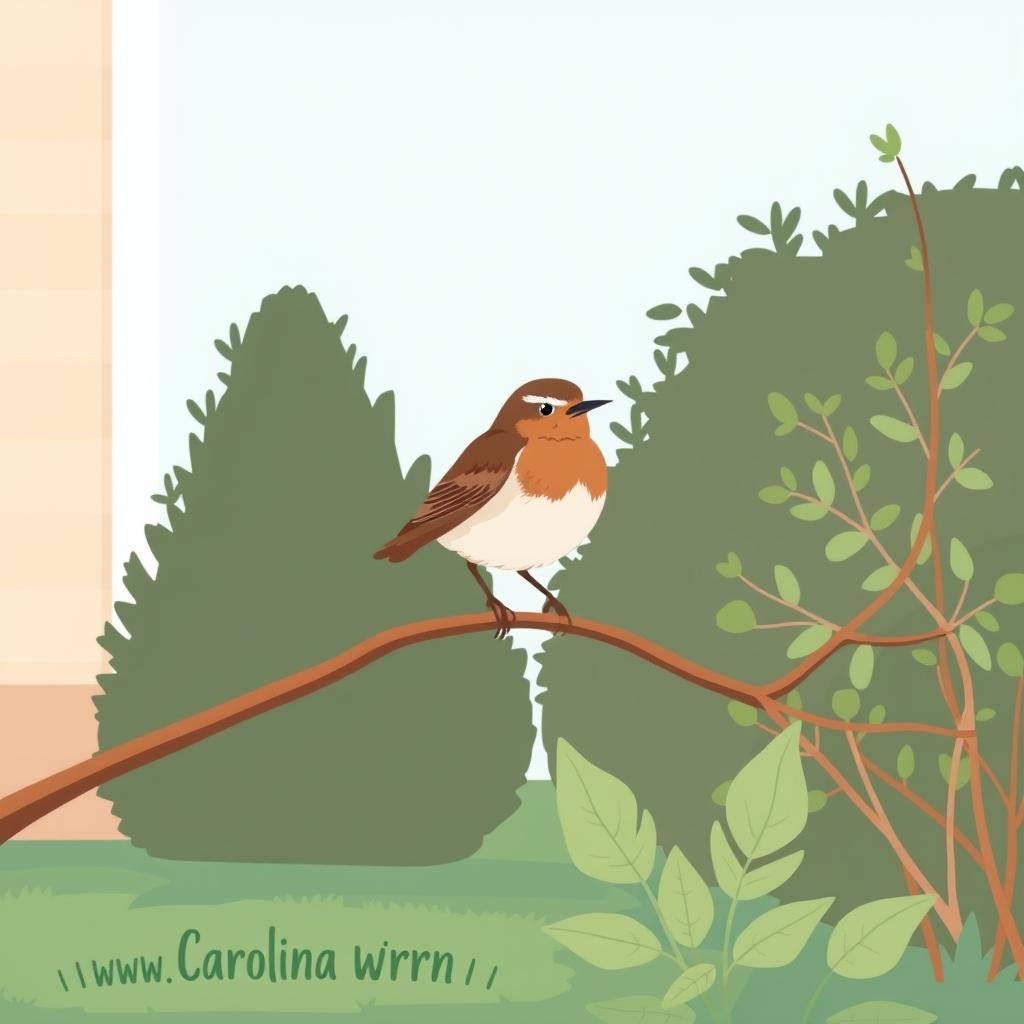
Color can change with shade, sunlight, wet feathers, or a quick glimpse through leaves. Shape is usually steadier. A Carolina wren looks compact and rounded, with a fairly large head for its body and a tail that often points upward.
If you recently read BirdPeep’s guide to identifying birds by shape before color, this is a perfect species to practice on. Try to notice the whole outline first: round body, curved bill, strong legs, and alert tail.
Field Marks to Notice
- Warm brown upperparts: The back and wings look rich brown rather than plain gray.
- Buffy underside: The belly and chest are usually warm and pale, not bright white.
- White eyebrow stripe: A light line over the eye can be one of the quickest visual clues.
- Long, cocked tail: The tail often tilts up while the bird investigates low cover.
- Slightly curved bill: The bill is slender and gently downcurved, useful for probing into crevices.
Listen for the Big Voice
Many people notice Carolina wrens by sound first. Their song is loud, clear, and repeated, often described as a ringing series of phrases. You do not need to memorize a perfect wording. Just notice that the voice seems surprisingly strong for such a small bird.
Wrens may sing from shrubs, fences, brushy corners, or low branches. If the sound keeps coming from the same hidden area, stand still and let your eyes adjust. The bird may flick into view for a second, then vanish again.
How to Practice Without Stressing the Bird
Listen quietly from a comfortable spot and avoid playing recorded calls back at the bird. Playback can distract birds from normal feeding, territory, or nesting behavior. For a beginner, patient listening builds the same skill without adding pressure to the bird.
Short notes help too. Write the location, time of day, and what the song sounded like to you. Over a few mornings, your ear may begin to connect the voice with the bird’s favorite corners.
Where Carolina Wrens Show Up in a Yard
Carolina wrens like places with cover. In a home landscape, that may mean shrubs, brushy edges, woodpiles, vine-covered fences, or quiet corners near a shed or porch. They often move low, poking around where insects and spiders hide.
For comparison with another small backyard visitor, BirdPeep’s tufted titmouse identification guide shows a very different shape and feeding style. Comparing familiar species this way makes each one easier to remember.
Carolina wrens may also investigate human-made spaces. They are known for choosing odd nest sites, so look without touching if you suspect nesting activity near a porch decoration, hanging basket, garage shelf, or sheltered nook.
Nesting Clues to Watch Respectfully
During nesting season, the best approach is distance. If a Carolina wren repeatedly carries material or food to the same sheltered spot, do not move objects around to check. A quick look from far away is enough.
Avoid trimming dense shrubs or clearing brushy corners if you see repeated bird activity there. Waiting a few weeks is usually easier than accidentally disturbing a nesting attempt.
Simple Ways to Make Your Yard More Wren-Friendly
You do not need an elaborate setup to welcome Carolina wrens. They mostly need safe cover, natural food, and quiet places to explore. A yard that is a little less perfectly bare often feels more useful to small birds.
- Keep some shrubs or dense plants: Cover gives wrens places to hide, forage, and move safely.
- Leave a modest brushy corner: A tidy brush pile or natural edge can hold insects and shelter.
- Offer clean water: A shallow bird bath helps many backyard birds, especially in dry weather.
- Skip broad pesticide use: Carolina wrens eat many small invertebrates, so a healthier insect community matters.
- Keep cats away from bird areas: Low-moving birds are especially vulnerable near dense cover.
Pros and Cons of Learning Carolina Wrens First
Pros: The voice is memorable
The loud song gives beginners a strong clue even when the bird is partly hidden.
Pros: Behavior helps identification
Tail posture, low movement, and cover-loving habits make the bird easier to recognize over time.
Cons: It moves quickly
Carolina wrens often slip through leaves and brush, so your first views may be brief.
Cons: Small brown birds can be confusing
Beginner birders may mix wrens with sparrows or other small birds until they learn shape and behavior.
Frequently Asked Questions
What is the easiest Carolina wren identification clue?
Start with the combination of loud song, small rounded body, cocked tail, warm brown color, and pale eyebrow stripe.
Do Carolina wrens visit feeders?
They may visit some feeder areas, especially for suet or small bits, but they often spend more time searching shrubs, bark, and brushy corners for natural food.
Are Carolina wrens shy?
They can be bold in voice and personality, but they still like cover. Expect quick appearances from shrubs, fences, porches, and low branches.
Should I check a Carolina wren nest closely?
No. If you suspect an active nest, watch from a distance, keep pets away, and avoid moving or trimming anything near it.
Final Thoughts
Carolina wren identification becomes easier when you slow down and combine clues. Listen for the strong song, then watch for a small rounded bird with a cocked tail, warm brown feathers, and a bright eyebrow line.
The next time a big voice rings out from a quiet shrub, pause for a minute before reaching for a guide. Your own eyes and ears may already be gathering the best clues.