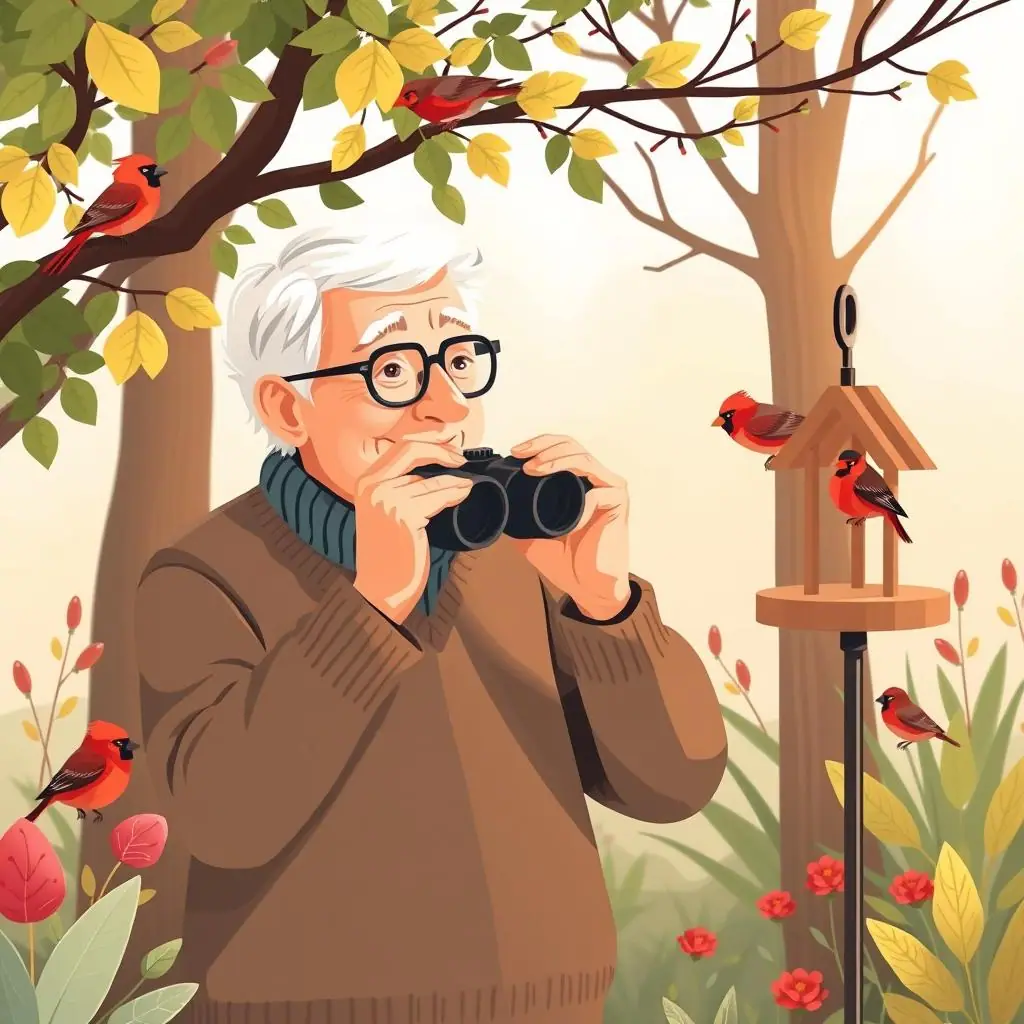
Few birds capture hearts quite like the Northern Cardinal. With their brilliant red plumage and jaunty crest, these year-round residents bring color and joy to backyards across eastern North America. Whether you're just starting your birdwatching journey or you've admired cardinals for years, there's always something new to discover about these remarkable birds.
After 25 years of observing cardinals in various habitats, I can tell you that northern cardinal identification becomes second nature once you know what to look for. Today, I'll share everything you need to know about these beloved backyard visitors, from their striking appearance to their fascinating behaviors.
🔍 Northern Cardinal Identification: Male vs Female
The most striking thing about cardinals is the dramatic difference between males and females — a characteristic called sexual dimorphism.
Male Northern Cardinals
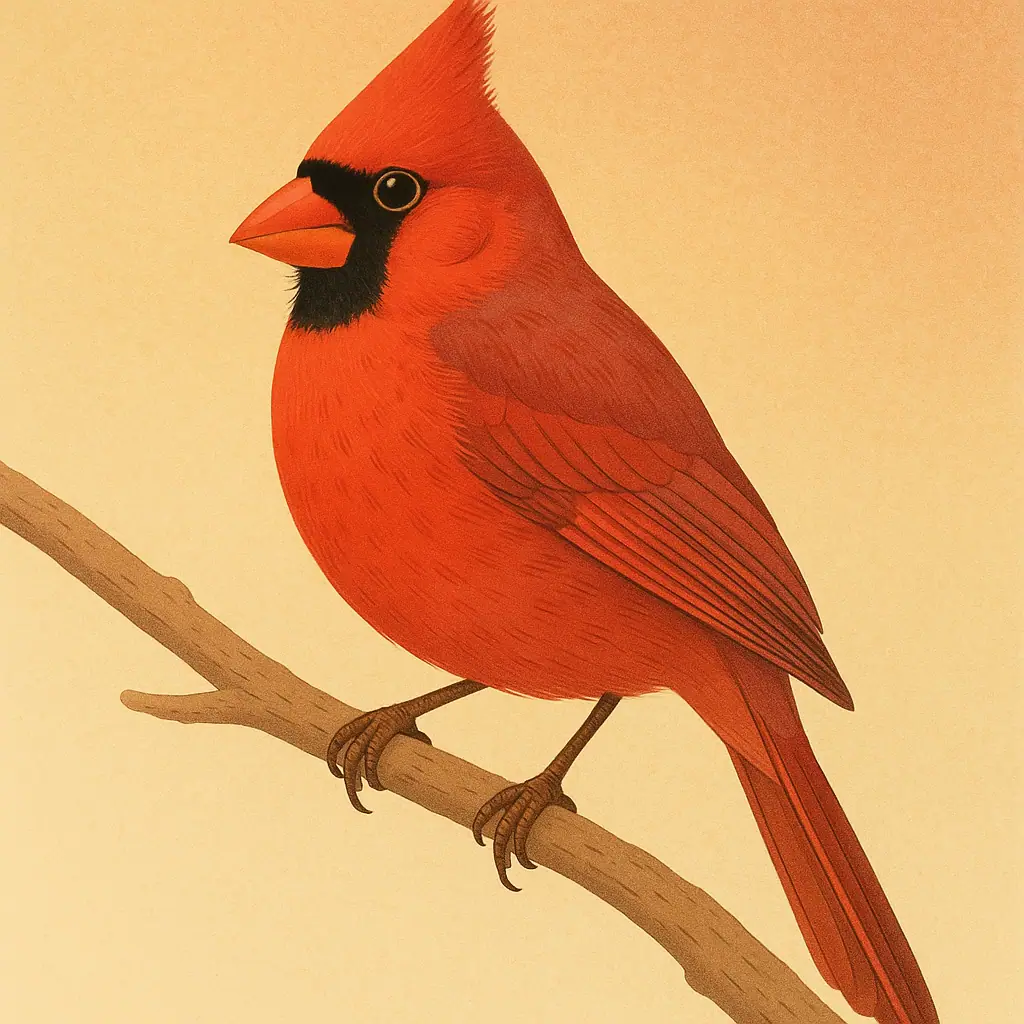
- Brilliant red all over: From head to tail, males are covered in vibrant red feathers
- Black face mask: A distinctive black patch surrounds their thick, orange-red bill
- Prominent crest: The pointed head feathers can be raised or lowered depending on mood
- Size: 8.5-9 inches long with a wingspan of about 12 inches
Female Northern Cardinals
- Warm brown body: Rich, cinnamon-brown coloring with subtle variations
- Red highlights: Bright red on wings, tail, and crest — often more vibrant than you'd expect
- Same black face mask: Though smaller and less pronounced than males
- Thick bill: Same powerful, cone-shaped bill as males, perfect for cracking seeds
Cardinal Bird Facts: What Makes Them Special
Northern Cardinals aren't just beautiful — they're fascinating birds with behaviors that will keep you watching for hours.
Year-Round Residents
Unlike many bird species that migrate south for winter, cardinals are non-migratory. Once a pair establishes territory in your area, you can enjoy their presence throughout all seasons. This makes them particularly valuable for beginning birdwatchers — they provide consistent opportunities to practice identification and observation skills.
Amazing Vocal Abilities
Cardinals are accomplished singers with a repertoire that includes over 25 different song variations. Both males and females sing, which is unusual among North American songbirds. Their most common calls include:
- "What-cheer, what-cheer, what-cheer" — clear, whistled notes
- "Birdy-birdy-birdy" — rapid, descending phrases
- "Chit-chit-chit" — alarm calls when threatened
During spring courtship, you might witness the charming behavior of mate-feeding, where the male offers seeds or insects to the female as part of their bonding ritual.
Habitat and Range: Where to Find Cardinals
Northern Cardinals have expanded their range significantly over the past century, now found throughout the eastern United States and into parts of the Southwest.
Preferred Habitats
- Edge habitats: Where forests meet clearings or suburban areas
- Brushy areas: Dense shrubs provide nesting sites and protection
- Suburban gardens: Well-landscaped yards with mature trees and shrubs
- Parks and woodland edges: Areas with both open feeding space and cover
Dense shrubs for nesting
Plant native shrubs like elderberry, dogwood, or sumac for nest sites
Varied food sources
Offer sunflower seeds, safflower, and native plants that produce seeds
Fresh water source
A shallow birdbath or water feature will attract cardinals year-round
All open lawn
Cardinals need shrubs and trees for protection from predators
Only tube feeders
Cardinals prefer platform or hopper feeders where they can perch comfortably
🍽️ Feeding Behavior and Diet
Understanding what cardinals eat and how they feed will help you attract them to your backyard and predict their behavior.
Natural Diet
Cardinals are primarily seed-eaters, but their diet varies by season:
- Spring/Summer: 30% insects (especially for feeding young), 70% seeds and fruits
- Fall/Winter: 90% seeds, fruits, and berries from native plants
- Favorite natural foods: Wild grape, dogwood berries, sumac, elderberry seeds
Feeder Preferences
At feeders, cardinals show distinct preferences that make them relatively easy to please:
- Sunflower seeds: Both striped and black-oil varieties are favorites
- Safflower seeds: Cardinals love these, and many "pest" birds don't
- Cracked corn: Especially popular in winter when energy needs are high
- Platform or hopper feeders: Their size and feeding style work best with these types
Breeding and Family Life
Cardinal family dynamics are particularly interesting to observe, especially during breeding season from March through August.
Nesting Behavior
Female cardinals build the nest alone, typically 3-10 feet off the ground in dense shrubs or small trees. The nest is a well-built cup of twigs, bark strips, and grasses, lined with fine materials.
Raising Young
Cardinals typically have 2-3 broods per year, with 2-5 eggs per clutch. What's particularly fascinating is their family structure — while the female incubates the next clutch, the male takes full responsibility for feeding and teaching the previous brood.
This means you might see male cardinals feeding seemingly adult-sized young birds well into summer. Don't worry — this is normal behavior, not a case of "lazy" young birds!
Frequently Asked Questions
Why do I only see female cardinals at my feeder?
During breeding season, males often stay hidden while guarding territory. Also, females may be more willing to visit feeders when males are focused on territorial singing.
Do cardinals mate for life?
Cardinals typically pair up for a breeding season and often return to the same partner the following year, though they don't truly "mate for life" like some species.
What does it mean when a cardinal visits your window?
Cardinals sometimes attack their reflection in windows, especially during breeding season. This territorial behavior usually passes after a few weeks.
How long do Northern Cardinals live?
In the wild, cardinals typically live 3-4 years, though some have been documented living over 15 years. Backyard birds with reliable food sources often live longer than wild populations.
Conservation and Backyard Impact
The good news is that Northern Cardinal populations are stable and even expanding in many areas. Climate change and habitat modifications have actually allowed them to extend their range northward over the past several decades.
By providing appropriate habitat, food, and water in your backyard, you're contributing to cardinal conservation while enjoying these magnificent birds year-round. Every bird-friendly garden creates a stepping stone that helps maintain healthy local populations.
Cardinals remind us that we don't need to travel far to witness nature's beauty. These stunning birds bring color, song, and life to our everyday surroundings, making every glance out the window a potential moment of wonder.