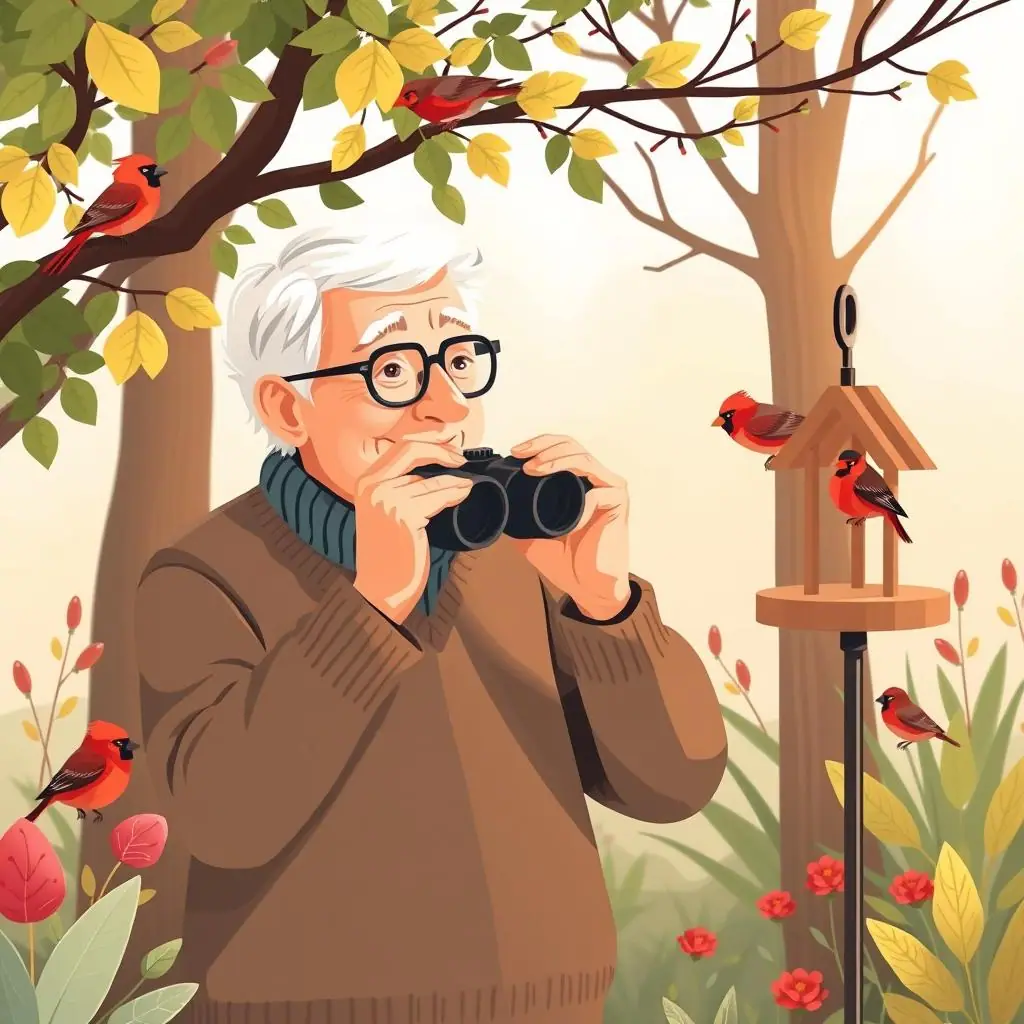
Juvenile bird identification can feel wonderfully confusing. A young robin may look speckled instead of smooth orange, a young cardinal may seem dull and scruffy, and a young sparrow may beg with fluttering wings even though it is already out of the nest.
If you have ever looked at a backyard bird and thought, "That looks almost like an adult, but not quite," you are noticing something real. Young birds often carry soft colors, shorter tails, fresh feathers, or behavior that gives away their age before their field marks look familiar.
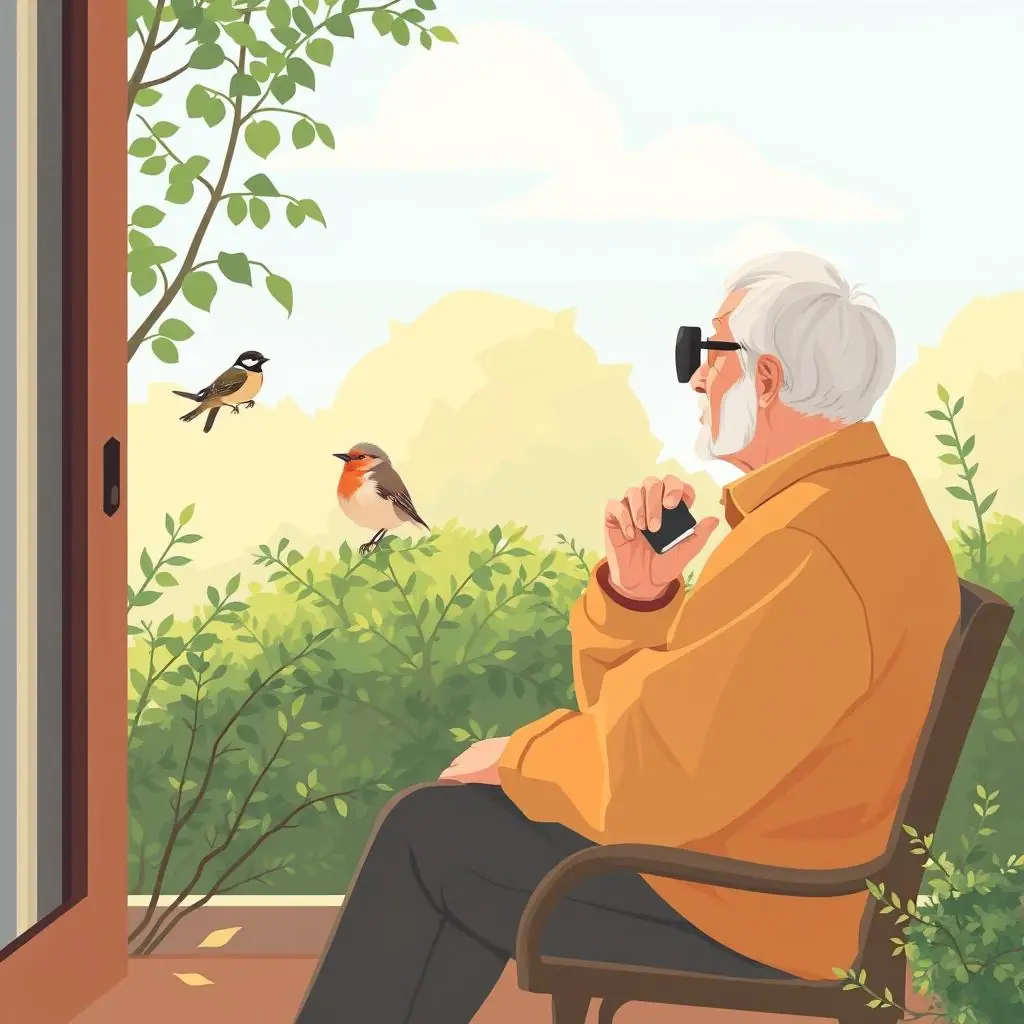
The kindest way to learn is to watch quietly, compare several clues, and avoid rushing toward the bird. Most backyard mysteries become easier when you look at shape, behavior, nearby adult birds, and the season all together.
Why Juvenile Bird Identification Matters
Knowing whether a bird is young or adult helps you understand what you are seeing instead of worrying right away. A fledgling on the ground is not always abandoned. A bird begging loudly may be healthy and simply learning how to feed. A dull-looking youngster may turn into a bright adult after molt.
The British Trust for Ornithology gives a useful beginner reminder: wait and watch quietly from a safe distance, because parent birds may return and reveal the youngster's identity. Their guide to identifying young birds is a helpful reference for patient observation.
Start With Shape Before Color
Color is often the trickiest clue with young birds. Juveniles can be duller, streakier, fluffier, or missing the strong head and body patterns you expect from an adult. Shape is usually steadier: body size, bill shape, posture, tail length, and how the bird moves.
Cornell Lab teaches bird identification through broad clues such as silhouette, color pattern, and calls. Their bird ID teaching guide is written for educators, but the same idea works beautifully from a kitchen window: start with big clues before tiny markings.
Look for a shorter tail
Recently fledged birds may have tails that look too short for their bodies. A young bird can seem round, slightly unbalanced, or less sleek than a nearby adult. That short-tail clue is especially helpful when the bird is hopping on the ground or sitting low in shrubs.
Notice soft or loose feathers
Juveniles often look softer around the head, breast, or edges of the wings. Some appear slightly rumpled, as if they are still growing into their feathers. This does not automatically mean the bird is sick; it may simply be young.
Watch Behavior: Young Birds Often Give Themselves Away
Behavior can be easier than plumage. Juvenile birds may flutter their wings, open their bills toward an adult, call repeatedly, or follow a parent around the yard. Adults are usually more purposeful: feeding, scanning, carrying food, or moving with practiced confidence.
A simple notebook can help you compare these little clues over several days. If you like writing down what you see, BirdPeep's guide to using a simple notebook for bird identification pairs well with learning juvenile behavior.
- Begging posture: A youngster may crouch, quiver its wings, and call toward an adult.
- Clumsy short flights: A young bird may flutter from branch to branch instead of flying cleanly across the yard.
- Following adults: Watch whether one bird keeps trailing another and receiving food.
- Extra curiosity: Young birds may explore feeders, baths, or shrubs with less polish than adults.
Compare the Bird With Nearby Adults
The easiest juvenile bird identification often happens when an adult is nearby. Instead of trying to name the youngster alone, compare it with the bird that is feeding it or staying close. The adult may reveal the family, even if the juvenile's colors are not fully developed.
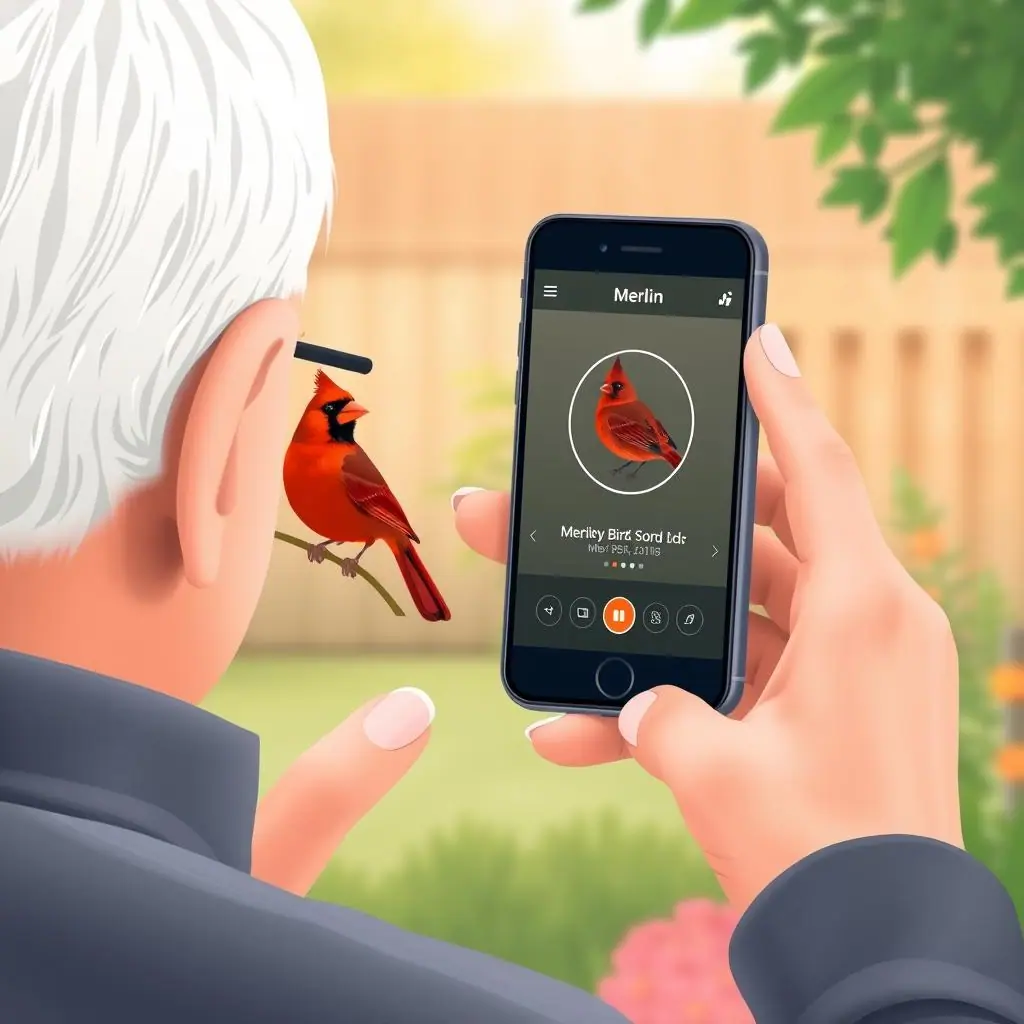
For example, a young cardinal may have a darker bill and softer brownish tones, while the adult male is bright red and the adult female has warmer reddish accents. A young robin can look speckled on the breast before the familiar adult look becomes obvious.
Use Sound and Family Clues Together
Young birds do not always sound exactly like adults. Some give thin begging calls, repeated peeps, or rough practice notes. Still, the surrounding adult songs and calls can help you narrow the family.
If you want a broader starting point, BirdPeep's guide to recognizing common backyard bird families can help you group birds by shape and habits before worrying about every species detail.
Do not rely on one clue
A dull bird is not always a juvenile. Females, molting adults, worn feathers, poor light, and seasonal plumage can all make birds look different. Use a cluster of clues: short tail, begging, nearby parents, soft feathers, season, and location.
Pros and Cons of Identifying Juvenile Birds
It builds real observation skill
Young birds teach you to notice posture, movement, family groups, and behavior instead of depending only on bright adult colors.
It reduces unnecessary worry
When you recognize normal fledgling behavior, you are less likely to assume every young bird on the ground has been abandoned.
It makes the backyard feel alive
Watching young birds learn to feed, perch, and follow parents turns ordinary yard time into a gentle seasonal story.
Some juveniles look very different
Young birds may lack adult markings, so identification can remain uncertain even after careful watching.
It takes patience
The best clue may be a parent returning with food, which means waiting quietly instead of getting an instant answer.
A Simple Backyard Checklist
Use this checklist the next time a young-looking bird appears near your feeder, lawn, shrubs, or bird bath.
- Tail length: Does the tail look short, stubby, or still growing?
- Feather texture: Does the bird look soft, loose, speckled, or slightly unfinished?
- Behavior: Is it begging, wing-fluttering, following, or making short practice flights?
- Nearby adults: Is another bird watching, feeding, or scolding from close by?
- Season: Is it spring or summer, when young birds are especially common?
- Safety: Can you watch without approaching, touching, or disturbing the bird?
Frequently Asked Questions
How can I tell if a backyard bird is a juvenile?
Look for a mix of clues: shorter tail, softer feathers, duller or streakier colors, begging behavior, clumsy short flights, and nearby adults bringing food.
Does a juvenile bird on the ground need help?
Not always. Many fledglings spend time on the ground or low branches while parents feed them. Watch from a distance unless the bird is injured or in immediate danger.
Why do juvenile birds look duller than adults?
Duller plumage can help young birds blend in, and many species do not show full adult colors until later molts. This is normal and often temporary.
What should I write in my notes about a young bird?
Record the date, location, size, bill shape, tail length, behavior, sounds, nearby adults, and what the bird was doing. Those details are often more useful than color alone.
Final Thoughts
Juvenile bird identification is less about having a perfect answer right away and more about learning to watch with patience. Young birds are messy, lively, and sometimes puzzling, which is exactly what makes them such good teachers.
Next time you notice a bird that looks almost familiar, stay still for a few minutes. Look for the short tail, listen for begging calls, watch for a parent, and let the backyard reveal the answer at its own pace.