Most of us come to birdwatching wanting to see more — more species, more color, more movement. And that's a wonderful impulse. But there's another way to experience birds that asks you to do the opposite: slow down, sit still, and simply be present with what's already there. This is slow birding, and once you try it, you may find it's the most satisfying birdwatching you've ever done.
What Is Slow Birding?
Slow birding is the practice of staying in one place and observing deeply, rather than moving from spot to spot in search of new species. Instead of checking off a list, you watch one bird — or one group of birds — long enough to really notice them. Their posture, the way they move their heads, how they interact with each other. The details you'd completely miss if you were rushing.
How It Differs from Traditional Birdwatching
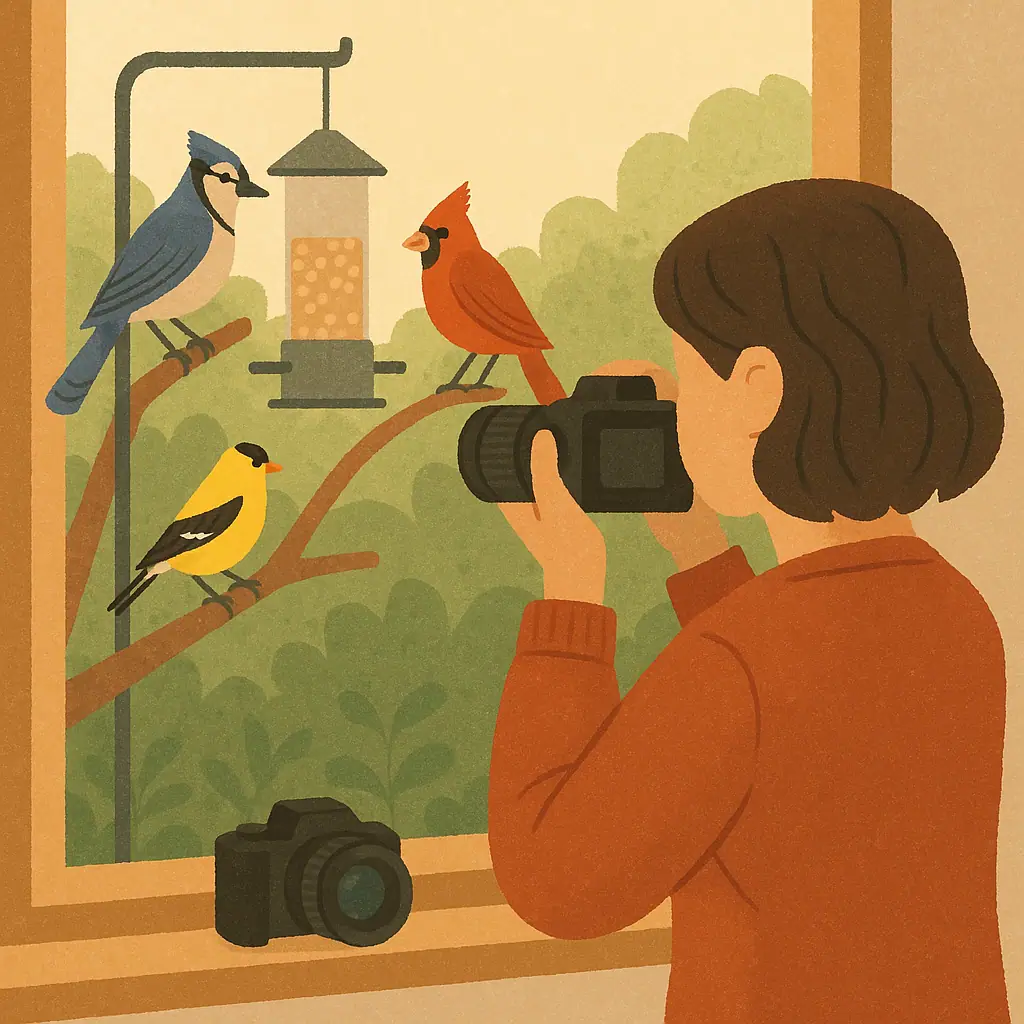
Traditional birdwatching often focuses on variety and distance traveled. Slow birding flips this completely. A successful session might mean spending 30 minutes watching a pair of house finches at your feeder and coming away knowing something new about how they communicate. No list needed. No miles logged. Just presence.
Where to Practice It
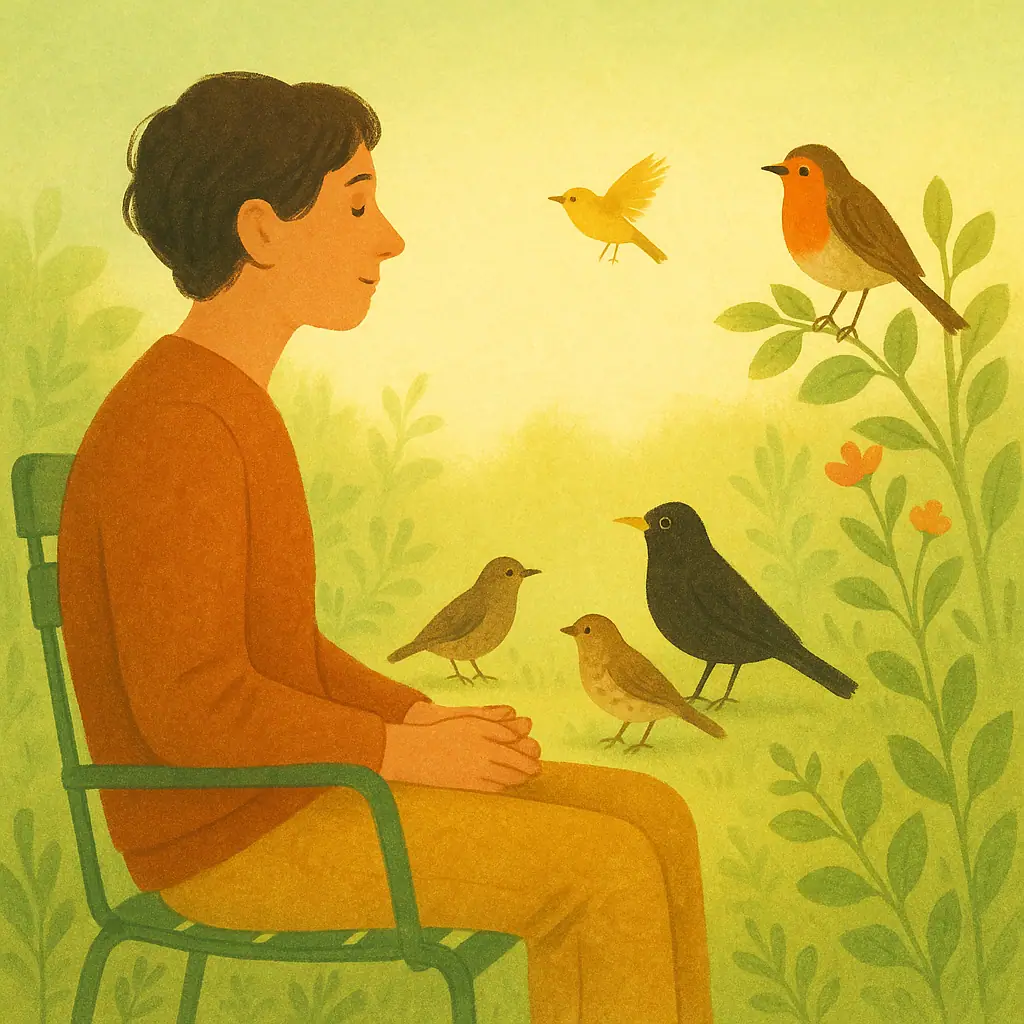
Your backyard is the ideal slow birding location. You know the birds, you're comfortable there, and you can return to the same spot day after day to notice changes over time. A comfortable chair near a window or a bench in the garden is all the setup you need.
🌿 The Surprising Mental Health Benefits
There's real science behind why slow birding feels so good. A study published in the journal Scientific Reports found that watching birds was associated with reduced symptoms of depression, anxiety, and stress in urban residents. The more bird diversity people observed, the stronger the effect.
Slow birding amplifies these benefits by adding the element of focused attention. When you genuinely concentrate on a bird's behavior, your mind stops running through its to-do list. It becomes a form of moving meditation — gentle, accessible, and deeply restorative. The Audubon Society describes slow birding as "one of the most underrated tools for everyday mental wellness."
🧘 How to Practice Slow Birding at Home
The beauty of slow birding is that there's no wrong way to do it. But a few simple practices help you get the most from your time outside.
Choose One Spot and Return Often
Consistency is everything in slow birding. Pick a spot with a clear view of your feeder, birdbath, or a favorite shrub. Return to the same place at the same time each day — ideally in the morning when birds are most active. Over weeks, you'll start to recognize individual birds by their habits and minor markings. That recognition creates a genuine sense of connection you won't find on a fast-paced bird walk.
Leave the Field Guide Behind (Sometimes)
Identification is valuable, but it can interrupt the flow of observation. Try spending the first 10 minutes of each session just watching, without reaching for an app or guide. Notice what the bird does before you think about what it is. This shift in approach transforms birdwatching into something almost meditative.
- Start with five minutes: Set a gentle timer and commit to nothing but watching. It's harder than it sounds at first.
- Notice micro-behaviors: Head tilt, wing flick, eye movement — these tiny details become fascinating with practice.
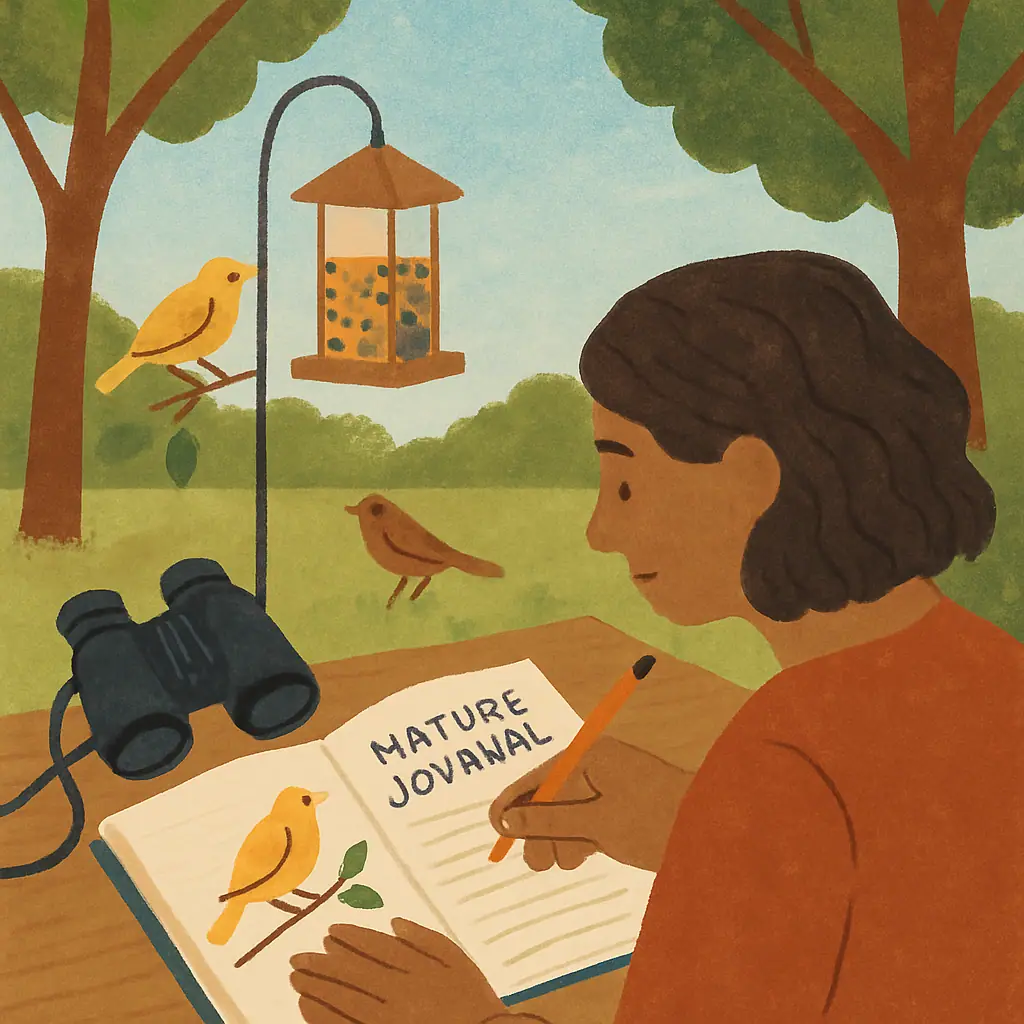
- Keep a quiet notebook: Jotting one or two observations after each session deepens the experience and builds a personal record.
- Breathe slowly: Your relaxed posture signals to nearby birds that you're not a threat, which often brings them closer.
Embrace the Ordinary
Slow birding teaches you to appreciate the birds you used to overlook. The house sparrow pecking at seeds has a whole behavioral vocabulary you've probably never noticed. The mourning dove sitting on the fence post may have been coming to your yard for three years. Slow birding helps you see them as individuals, not just common backyard visitors.
⚖️ Slow Birding vs. Listing: Pros and Cons
Deeply calming and restorative
The focused, unhurried pace makes slow birding especially effective as a daily stress-relief practice for people of any age.
No special equipment required
You don't need binoculars, a car, or a trail. Your backyard and a comfortable seat are genuinely all you need.
Deepens your bird knowledge
Extended observation teaches you behavior, seasonal changes, and individual bird personalities that no field guide can capture.
Less species variety per session
If you love the excitement of spotting new species, slow birding may feel less rewarding at first — until you discover a different and quieter kind of satisfaction.
Requires patience to develop
Sitting still and observing quietly is a skill that improves with practice. The first few sessions may feel restless or unproductive.
❓ Frequently Asked Questions
How long should a slow birding session last?
Start with 10 to 15 minutes and build from there. Many slow birders find 30 minutes to be the sweet spot — long enough to settle in and notice real behavior, short enough to stay fully present throughout.
Do I need to stop using eBird or my life list?
Not at all. Slow birding is a practice, not a rule. Many birders mix both approaches — slow sessions at home and more active outings in new locations. The two complement each other beautifully.
What if my yard doesn't have many birds?
Even one or two species offer a surprisingly rich experience when observed slowly and consistently. If you'd like to attract more, start with a simple water source or switch to seeds preferred by local birds.
Is slow birding helpful for anxiety or low mood?
Many nature therapists recommend quiet outdoor observation as a helpful complement to overall wellness. The research is encouraging, though slow birding should not replace professional mental health care when needed.
Final Thoughts 🌿
In a world that rewards doing more, seeing more, and going faster, slow birding is a quiet act of presence. It asks you to find meaning not in the rarest bird on a distant list, but in the chickadee that has been visiting your feeder every morning for years. When you slow down enough to really see that bird — its tiny acrobatics, its confident little song — something shifts. The yard becomes a sanctuary. The morning becomes a gift.
That's the joy of slow birding. It was there all along, just waiting for you to pause long enough to notice.