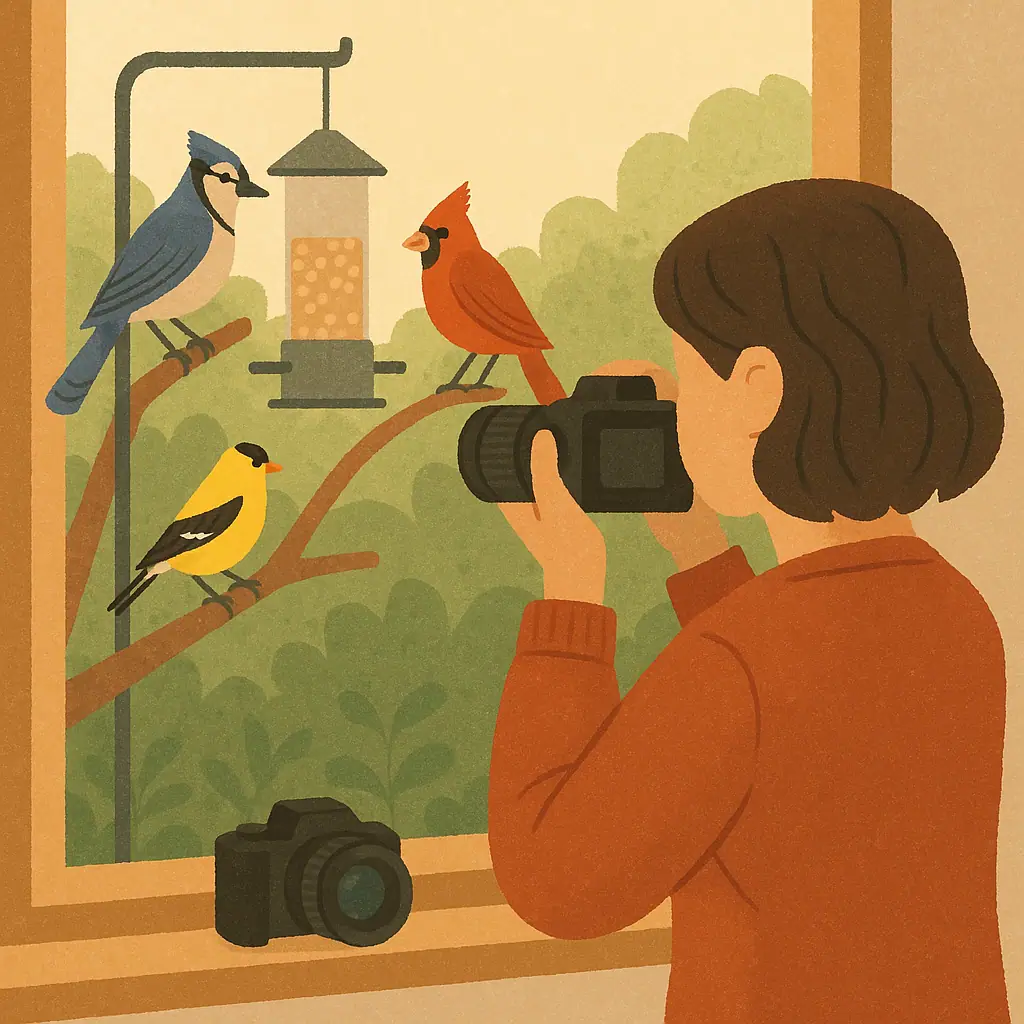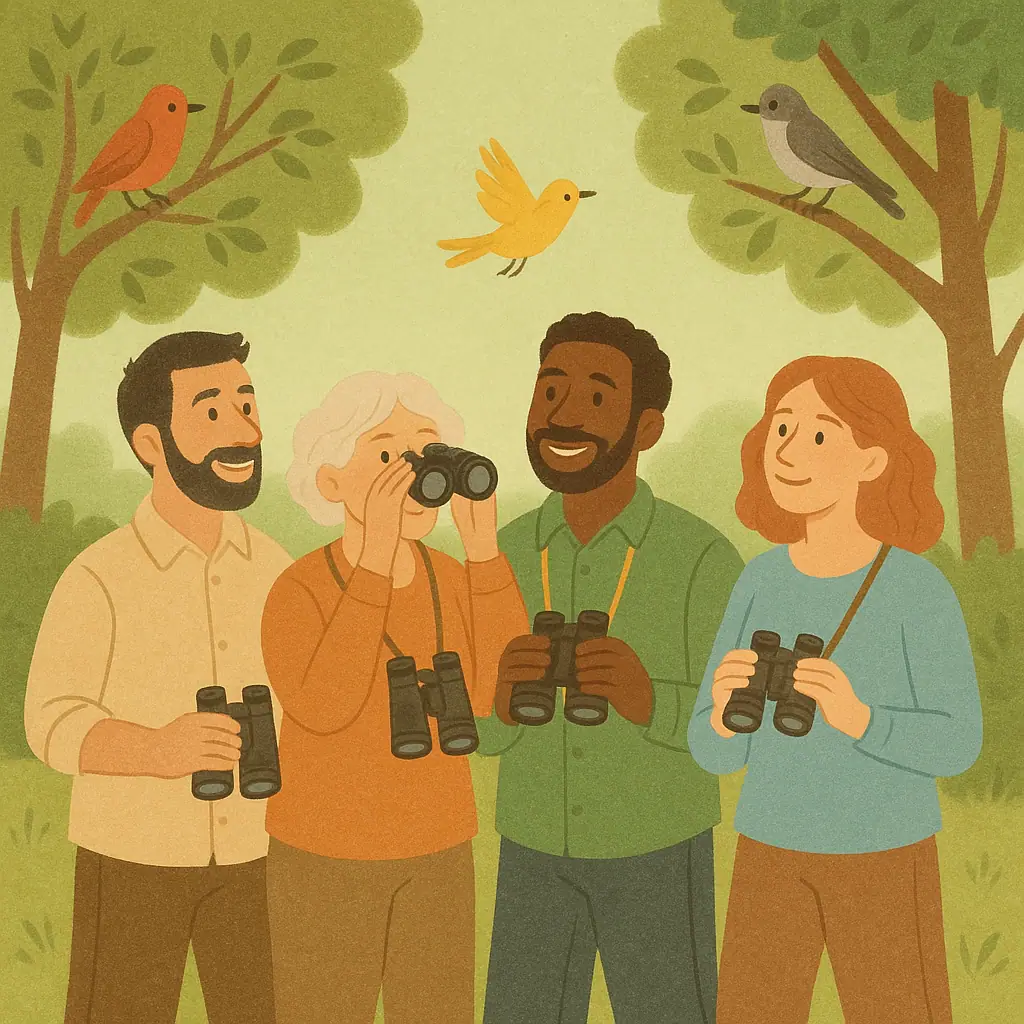
For the first year of my birdwatching life, I kept it mostly to myself — a quiet morning ritual with a cup of tea and a window. Then a neighbor mentioned a local Audubon walk. I almost didn't go. I thought I wasn't experienced enough. I'm so glad I changed my mind.
Joining a birding community changed my hobby entirely. Suddenly, every outing became richer, every sighting more meaningful. And the friendships — well, those turned out to be the best surprise of all.
Why Birding with Others Makes You Better
Experienced birders see things beginners miss entirely. On my first group walk, a retired schoolteacher three steps ahead of me casually identified a bird by sound alone — a bird I'd never even noticed. That single moment accelerated my learning more than months of solo practice.
Group birding also creates natural accountability. Knowing you'll be walking with others on Saturday morning is a gentle nudge to show up — rain or shine. Many members of long-running bird clubs will tell you that their weekly walks kept them active and engaged through retirement in ways they hadn't expected.
🔍 How to Find Bird Watching Clubs Near You
Finding a local birding group is easier than most people expect. Here are the most reliable starting points.
- National Audubon Society: Visit audubon.org and use the chapter finder to locate your nearest local chapter. Most chapters welcome beginners warmly and host free field trips.
- American Birding Association (ABA): The ABA club directory at aba.org lists clubs by state and region, including many small local groups not listed elsewhere.
- eBird Hotspots: Search eBird for local birding hotspots near you. The activity logs often reveal which groups and individuals are active in your area.
- Facebook Groups: Search "birds [your city/county]" or "birdwatching [your state]." Many informal local groups operate through Facebook and welcome new members enthusiastically.
- Meetup.com: Birding meetups are common in most metro areas. Listings show upcoming walks with descriptions of pace and skill level.
- Local nature centers and parks: State and county parks often coordinate volunteer-led bird walks, especially during spring and fall migration seasons.
What to Expect at Your First Club Meeting or Walk
If you've never attended a birding group event, knowing what to expect removes a lot of the anxiety that keeps newcomers away.
Before You Go
- Arrive prepared but not perfectly equipped: A pair of binoculars, a field guide or Merlin app, and weather-appropriate clothing are all you need. No one expects beginners to arrive with a $1,000 spotting scope.
- Introduce yourself as new: Every experienced birder was a beginner once. Identifying yourself as new gives the group permission to include you, explain things, and share knowledge generously.
During the Walk
- Stay close to experienced members: Position yourself near someone who seems knowledgeable. Watch where they look, how they hold binoculars, and what attracts their attention.
- Ask questions freely: "What gave it away?" is the most valuable question a beginner can ask. Experienced birders love explaining their identification process.
- Don't worry about missing things: You will miss birds. Everyone does, especially at first. The goal is learning, not a perfect checklist.
Pros and Cons of Joining a Birding Club
Accelerated learning
You'll identify more species in one group walk than in weeks of solo watching.
Built-in social connection
Birding clubs are among the friendliest communities in any hobby, especially for retirees.
Access to local knowledge
Long-time members know the best spots in your area — the hidden corners of parks where warblers concentrate each May.
Motivation and structure
Scheduled walks create gentle commitment that keeps the hobby active through all seasons.
Some groups move faster than others
Look for groups that describe their walks as "leisurely" or "beginner-friendly" if mobility is a concern.
Not every town has an active club
Rural areas may have fewer options, though online birding communities and remote group walks have grown significantly since 2020.
Early morning starts are common
Most bird walks begin at dawn when bird activity is highest. If early mornings are difficult, look for late-morning or afternoon alternatives.
Frequently Asked Questions
Do I need to be an experienced birder to join a club?
Absolutely not. Most local bird clubs actively welcome beginners. Many Audubon chapters specifically design entry-level walks for people with no prior experience. The only requirement is genuine interest.
Is there a membership fee?
Many local chapters are free to join or ask for a modest annual fee of $10–30. National organization memberships like Audubon or ABA have separate dues but are not required to attend most local chapter events.
What if I can't find a local group?
Consider starting one. Many thriving birding communities began with one person posting a note at a local library or nature center. Online platforms like Facebook and Meetup make organizing very accessible even for beginners.
Can I participate in birding groups online?
Yes. Many state and regional birding listservs, Facebook groups, and platforms like Birding-L allow active participation without leaving home — great for sharing sightings, asking ID questions, and staying connected between walks.
Final Thoughts
Birdwatching is a beautiful solo practice. But it becomes something richer in the company of others who share your curiosity. A local birding club doesn't just show you more birds — it shows you people who notice the same things you do, who stop walking to listen, and who understand why a morning at the right pond feels like a genuine gift.
Take the first small step. Look up your nearest Audubon chapter, join a Facebook group, or show up for one free walk. The community will take care of the rest.