

There’s a certain magic that happens when you step beyond your backyard fence. Your local cardinals and chickadees are wonderful daily companions — but there’s a whole world of birds waiting just a short drive away in state parks, wildlife refuges, and nature preserves. Planning your first birding day trip doesn’t have to be complicated. With a little preparation, it becomes one of the most rewarding mornings you’ll have all year.
The first time I ventured to a local wetland preserve about three years into the hobby, I saw species that had never and would never appear in my backyard — herons, sandpipers, warblers in migration. I was completely hooked. If you’ve been thinking about venturing further, here’s everything you need to know to make your first trip a success.
Why Venturing Beyond the Backyard Matters 🌳
Your backyard is an incredible classroom, but its bird diversity is naturally limited by habitat, geography, and available food. Different environments — wetlands, forests, meadows, shorelines — attract entirely different bird communities. A single morning at a well-chosen local preserve can introduce you to species that would take years to encounter at home.
Beyond bird diversity, day trips create a different quality of attention. Away from the distractions of home, you observe more carefully and more patiently. You start noticing habitat. You begin to understand why certain birds live where they do — and that ecological awareness transforms birdwatching into something much deeper and more connected than a simple checklist hobby.
Choosing the Right Destination for Your First Trip 🧭
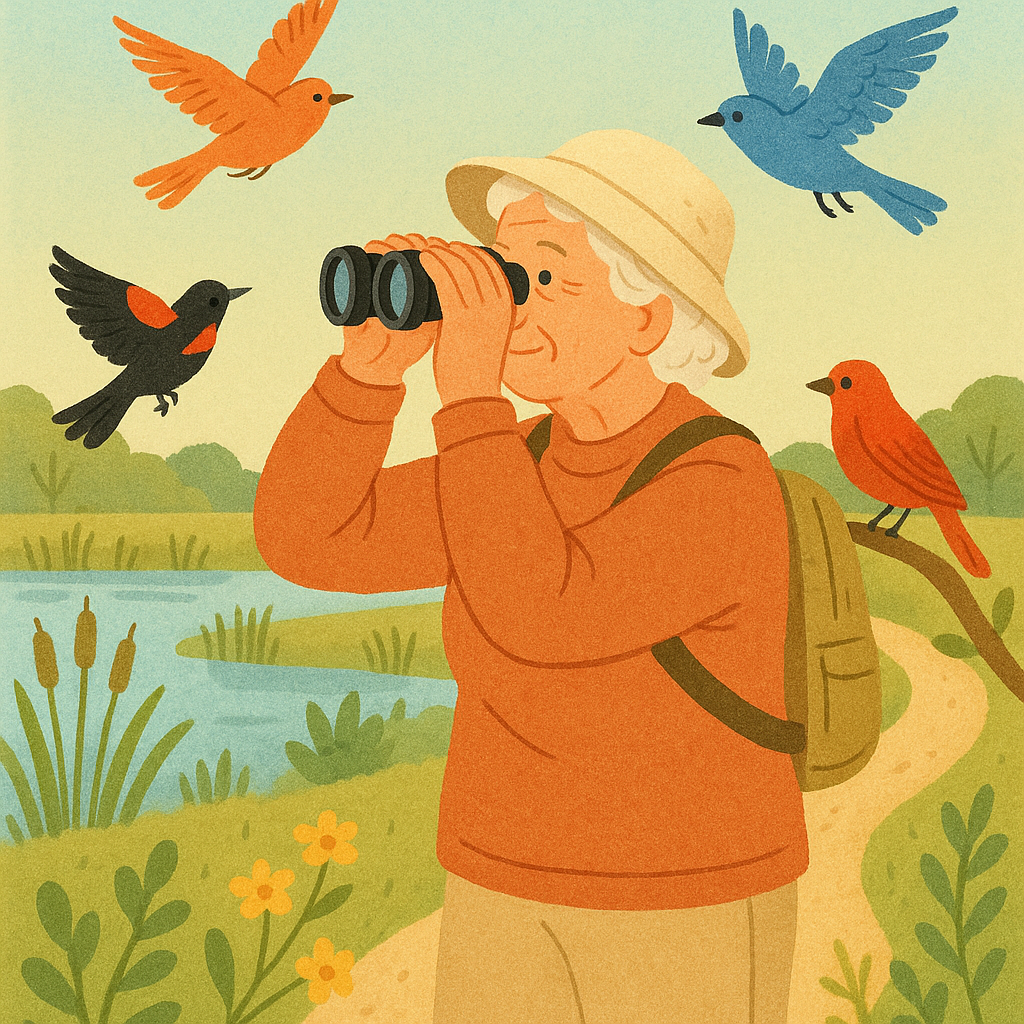
The best first destination is one that’s close to home, well-maintained, and bird-rich. Here’s how to find it without any guesswork:
Start with Local Wildlife Refuges and State Parks
National Wildlife Refuges and state parks with wetland or mixed-habitat areas consistently offer excellent birding for beginners. They’re designed for public use, have maintained walking trails, and often include wildlife observation areas. The U.S. Fish and Wildlife Service website lists all National Wildlife Refuges organized by state — a great starting point for finding quality birding areas near you.
Use eBird Hotspot Maps
eBird’s hotspot map shows locations where other birders regularly submit sightings. You can filter by recent date range to see what species have been spotted in the last week or two — a huge practical advantage for planning a productive trip. Hotspots with 100 or more reported species over time are reliably active areas worth visiting.
Ask Your Local Birding Community
If you’ve connected with a local Audubon chapter or birding club, ask for their recommendations. Local birders know exactly which trail loop or pond edge produces the best sightings at which time of year. That kind of specific, hard-won knowledge is worth more than any online guide or app.
What to Bring on a Birding Day Trip 🎒
You don’t need a complicated or expensive kit for a beginner trip. A well-chosen set of essentials makes the day comfortable and genuinely productive:
- Binoculars: Your most important tool. An 8×42 model is ideal for beginners — good magnification, easy to focus, and not too heavy for a morning walk.
- Merlin Bird ID app: Download your region’s bird pack before leaving home so the Sound ID feature works even without cell service in remote areas.
- Small notebook and pen: For quick field sketches, behavioral notes, and location details. Even brief notes help you remember and learn from what you observed.
- Water and snacks: Good birding spots often mean longer walks than expected. Stay hydrated and don’t let hunger cut your productive morning short.
- Earth-tone clothing: Muted greens, tans, browns, and greys help you blend in naturally. Avoid white or bright colors that stand out against natural backgrounds.
- Comfortable walking shoes: Waterproof hiking shoes are ideal, especially near wetlands, dewy meadows, or any terrain that might be uneven.
- Sun protection: Hat, sunscreen, and sunglasses. Early morning field sessions often run longer than planned once the birds start appearing.
Tips for a Successful First Birding Day Trip 🌅
Arrive at or Before Sunrise
The first two hours after sunrise are reliably the most active of the entire day. Birds are vocal, visible, and moving — feeding, establishing territory, interacting. Plan to arrive at your destination right at or just before sunrise. The early commitment almost always pays off with sightings that simply aren’t possible by mid-morning.
Walk Very Slowly — and Stop Often
Experienced birders often spend more time standing still than walking. Move at a pace that feels almost uncomfortably slow. Stop every 50 feet or so to scan all around you and listen carefully before moving forward. Birds that flushed ahead of you will often return to normal behavior within a few minutes once the disturbance settles.
Focus Your Attention on Habitat Edges
The boundary between two habitat types — where forest meets open meadow, or where land meets water — is consistently the most productive area for bird diversity. Birds from both habitats overlap there, food sources are often concentrated along those transition zones, and visibility tends to be better than deep in any single habitat type.
Accept That You Won’t See Everything
Experienced birders miss birds constantly — it’s simply part of the activity. Your goal on a first trip isn’t a long checklist. It’s a handful of quality, unhurried observations and a real sense of what this particular place feels like. That relaxed mindset leads to better focus, more genuine curiosity, and far more enjoyment than chasing numbers.
Pros and Cons of Birding Day Trips 🗺️
Dramatically expands your species list
A single morning at a good wetland or forest preserve can add 20–30 species you’d never encounter in a typical backyard.
Builds observational depth fast
New environments force you to apply your skills in unfamiliar situations, accelerating learning in a genuinely enjoyable way.
Creates lasting memories
A focused morning in nature, away from screens and distractions, is genuinely good for mental and physical well-being.
Requires advance planning
You need to research locations, check recent sightings, and prepare gear before the trip — a bit more effort than stepping into your own yard.
Early mornings require adjustment
Peak birding time means an early start, which takes a period of adjustment for those who aren’t naturally early risers.
Frequently Asked Questions ❓
How far should my first birding trip be from home?
Start within 30–45 minutes of home. A nearby state park, wildlife refuge, or nature preserve is ideal — you’ll be familiar enough with the general area to feel comfortable, and a short drive keeps the day manageable and stress-free.
What’s the best season for a first birding trip?
Spring (April through May) is ideal — migration is active, birds are singing their most complex songs, and the weather is generally pleasant across most of the country. Fall migration (September through October) offers equally rich opportunities with different species passing through.
Should I go alone or with a more experienced birder?
Both approaches work well. Going with an experienced birder — even just one — can dramatically accelerate what you notice and learn. Local Audubon chapters and birding clubs often organize free field trips that welcome complete beginners warmly.
How long should a beginner’s first birding trip last?
A 3–4 hour morning outing is perfect. It covers the peak activity window without becoming physically tiring. You can always extend future trips as your stamina and enthusiasm naturally grow.
Final Thoughts 🌄
The backyard is where most birding love stories begin — but the world beyond your fence is where they deepen and expand. A single well-chosen day trip can change how you see your entire region: every woodlot, every pond, every patch of scrubby field becomes a place worth slowing down for.
Start close to home. Arrive early. Walk slowly. Let the birds find you. And bring your curiosity — it’s the only thing you truly can’t leave behind.