
Everyone starts birdwatching full of enthusiasm — and runs headfirst into a few surprises. Maybe the birds disappear the moment you step outside. Maybe you spent fifteen minutes staring at a “rare” bird that turned out to be a very common house sparrow. That’s completely okay. Every birder on the planet has been there. The trick is learning what trips you up early so you can turn those stumbles into confident, joyful sightings.
After years of backyard birding and walks through local preserves, I can tell you honestly: the biggest gains don’t come from buying better equipment. They come from small habit shifts. Let’s walk through the most common mistakes — and the simple fixes that make all the difference.
Why Mistakes in the Field Matter More Than You Think 🌿
Birding mistakes aren’t just missed sightings. They can chip away at your confidence and make a beautiful hobby feel frustrating. The good news? Most errors beginners make are completely fixable. And once you see the pattern, you can course-correct in a single outing.
According to the National Audubon Society, patience and ethical observation habits are the two most important skills for beginning birdwatchers. Neither one requires any special gear. They just require awareness.
The Most Common Birdwatching Mistakes Beginners Make 🔭
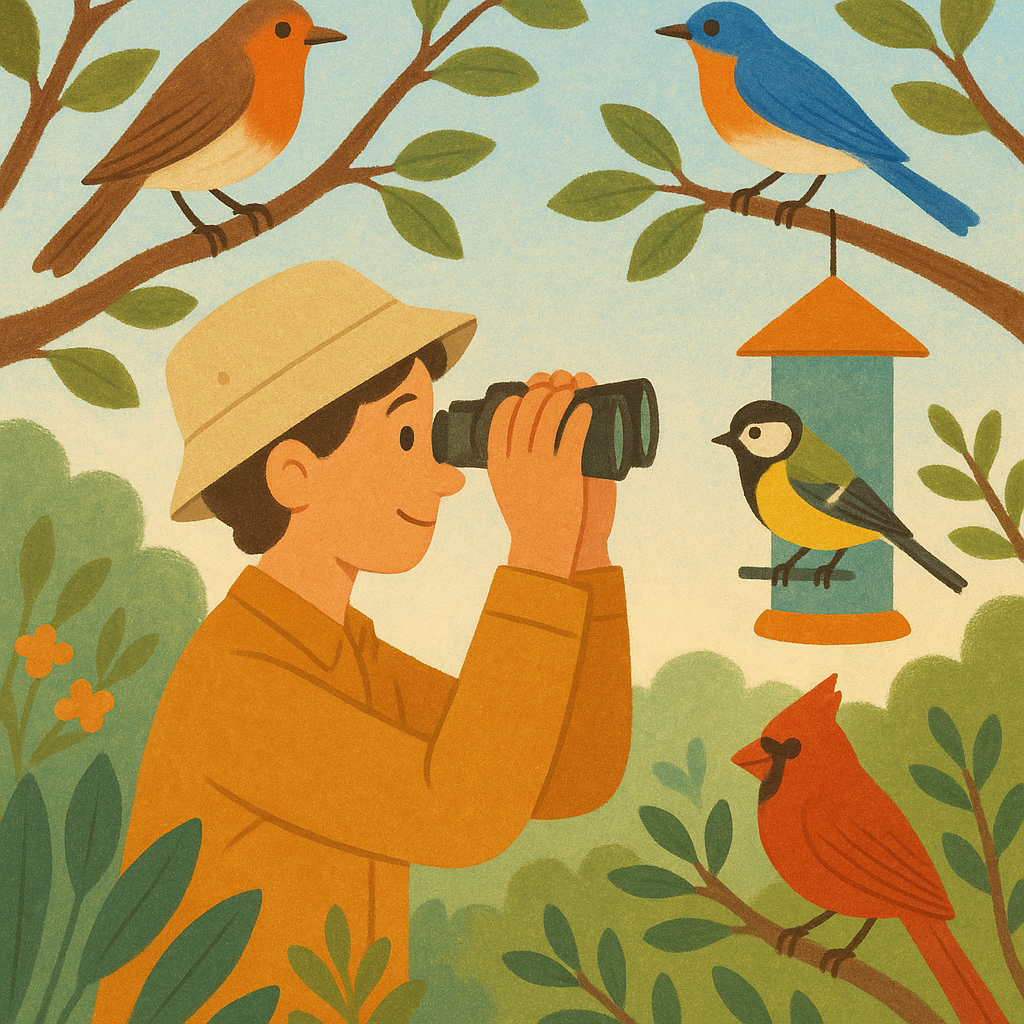
These are the patterns that trip up nearly every new birder — in the field, at the feeder, and on early morning walks.
Moving Too Fast and Making Too Much Noise
Birds are wired to detect threats, and a quick, noisy human reads as predator. When you rush to a spot or talk loudly, you’ll often see nothing but retreating tails. The fix is simple: slow down dramatically. Move at half the pace you think is necessary. Stop often. Let the environment settle around you before you even raise your binoculars.
Wearing Bright Colors
Birds see color more vividly than we do. A bright red jacket or white shirt can signal danger from a surprising distance. Earth tones — tan, olive, brown, grey — help you blend in naturally. You don’t need expensive camouflage gear. Any neutral, muted clothing works beautifully and makes a genuine difference.
Rushing to Identify
It’s tempting to call a bird the moment you see a flash of color. But that flash might be a male or female, juvenile or adult — and they often look dramatically different. Give yourself time to observe the bill shape, wing markings, tail length, and behavior before reaching for your app or field guide. Slow identification builds real skill.
Ignoring Common Birds
Beginners often fixate on rare or “exciting” species and overlook common ones. But the house sparrow, dark-eyed junco, and European starling all have fascinating behaviors worth studying. Learning common birds deeply builds the observational foundation you’ll use every day for the rest of your birding life.
Going Out at the Wrong Time
Bird activity peaks in the early morning, especially the first two hours after sunrise. Heading out at midday in summer often means quiet, empty skies. If early mornings don’t suit you, late afternoon before sunset is a solid second choice — birds become active again as temperatures drop.
Not Taking Notes
Memory is unreliable in the field. You see a bird, think “I’ll remember that,” and then it’s gone from your mind by the time you get home. A small notebook or a quick voice memo on your phone can capture details you’d otherwise lose — and those notes become invaluable for learning patterns over time.
Simple Habits That Transform Your Experience 🌱
- Arrive early: The first hour after sunrise is often called the “golden hour” — activity is highest and the soft morning light makes colors vivid and beautiful.
- Be still more than you move: Find a good spot, stop, and let birds come to you. Many experienced birders spend 70% of their time standing still rather than walking.
- Listen before you look: Your ears will detect birds your eyes miss. Learning a few common songs gives you a head start before you even raise your binoculars.
- Wear muted clothing: Earth tones and layers keep you comfortable and inconspicuous in any weather or season.
- Study one species at a time: Pick a bird you see regularly and observe it deeply for a week. Understanding one species well teaches you more than briefly glimpsing twenty.
- Respect habitat boundaries: Stay on trails, avoid approaching nests, and give birds the space to behave naturally — your patience will be rewarded with better sightings.
Pros and Cons of Being a Beginner Birder 🐦
Everything is exciting
Every bird you see is potentially a first — and that genuine wonder never fully goes away.
No pressure to be perfect
Beginners are given grace. You can ask questions freely and explore without any judgment from other birders.
Fast improvement is possible
Small habit adjustments produce dramatic results quickly — the learning curve in early birding is genuinely steep in a good way.
Misidentification is common
You’ll get birds wrong — sometimes confidently. It’s a normal, universal part of the learning curve for every birder.
Gear uncertainty
It can be hard to know what equipment is truly necessary versus nice to have, especially early on.
Frequently Asked Questions ❓
How long does it take to stop making beginner mistakes?
Most birders notice real improvement within 2–3 months of regular outings. Habits like moving slowly, observing carefully, and noting details become second nature fairly quickly with practice.
Is it okay to use my phone for identification right away?
Absolutely. Apps like Merlin Bird ID are excellent tools. Just try to observe the bird first, then confirm with the app — that sequence builds your own skills and keeps the experience rewarding.
What’s the one mistake that discourages most beginners?
Impatience. Birding rewards stillness and quiet. Once you embrace the slower pace, the whole experience transforms into something genuinely peaceful and joyful.
Should I join a birding group to learn faster?
Yes — even one outing with experienced birders can accelerate your learning more than months of solo birding. They’ll point out details and behaviors you’d never notice on your own.
Final Thoughts 🌄
Making mistakes is not a sign that you’re doing it wrong — it’s a sign that you’re doing it. Every misidentification, every flushed bird, every missed sighting is a lesson in disguise. The birders who grow fastest are the ones who stay curious and keep showing up, rain or shine.
Start with patience. Move slowly. Notice everything. Your backyard birds have been waiting for you to pay attention — and they’ll reward you for it every single morning.